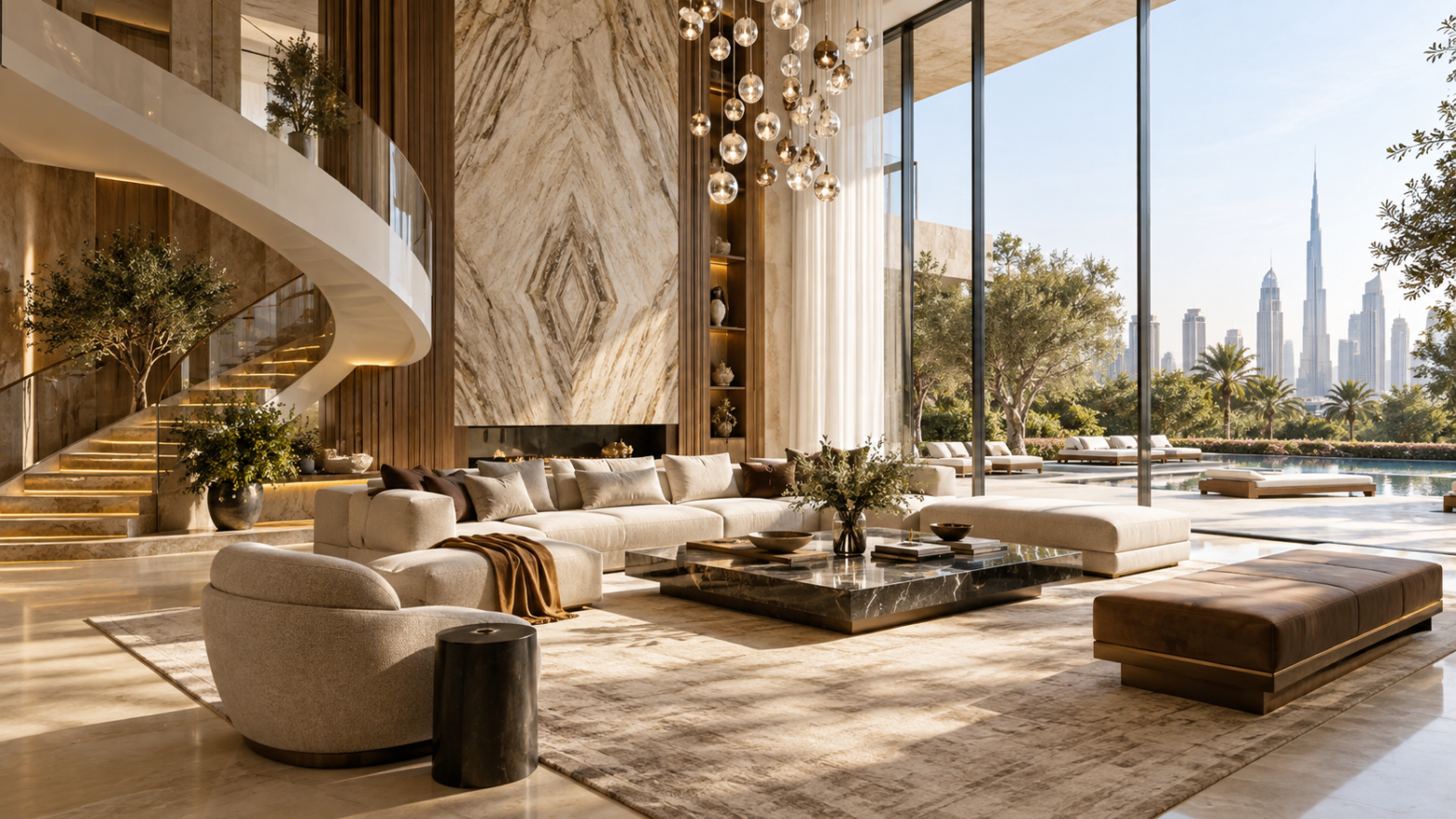
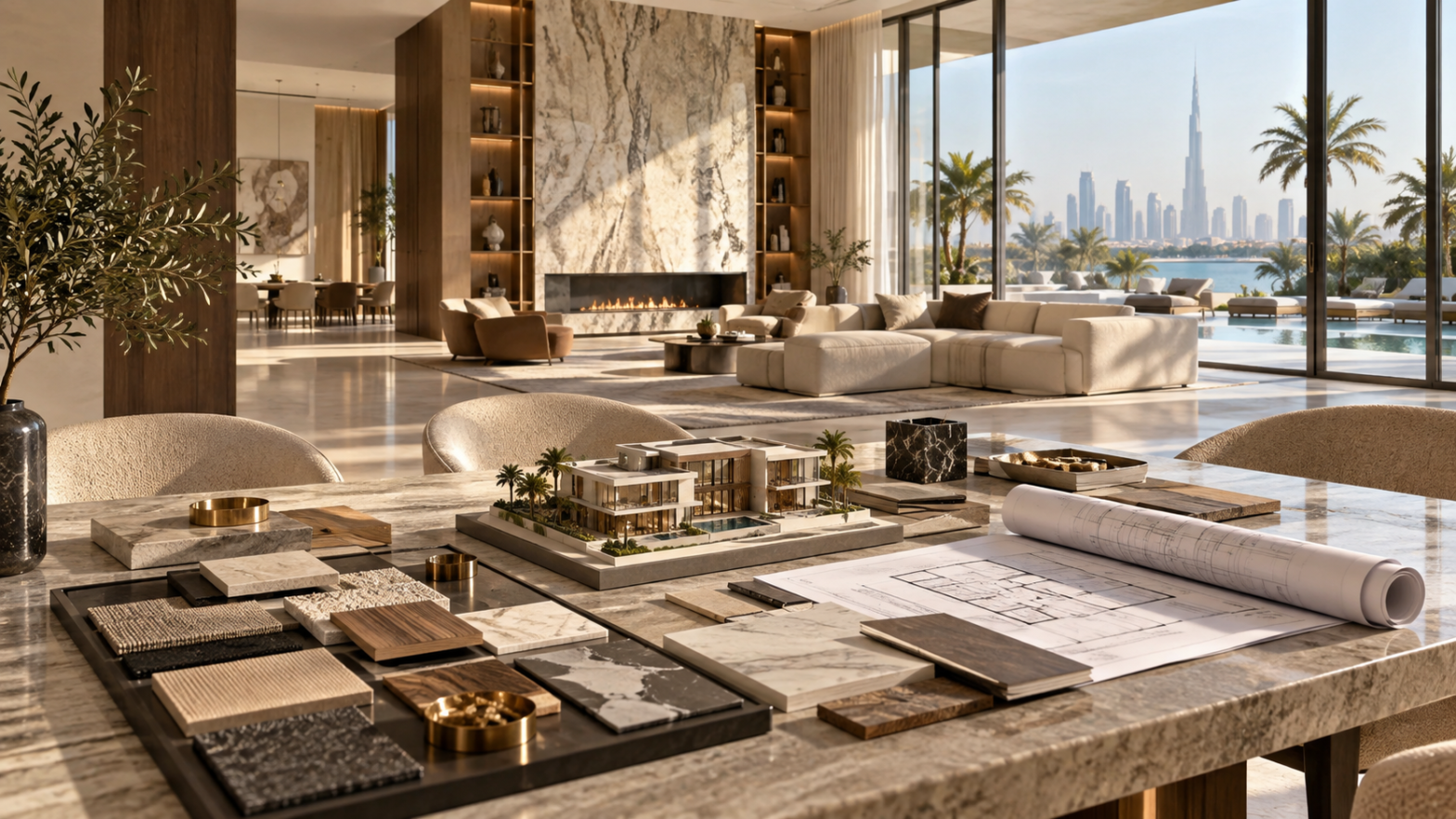
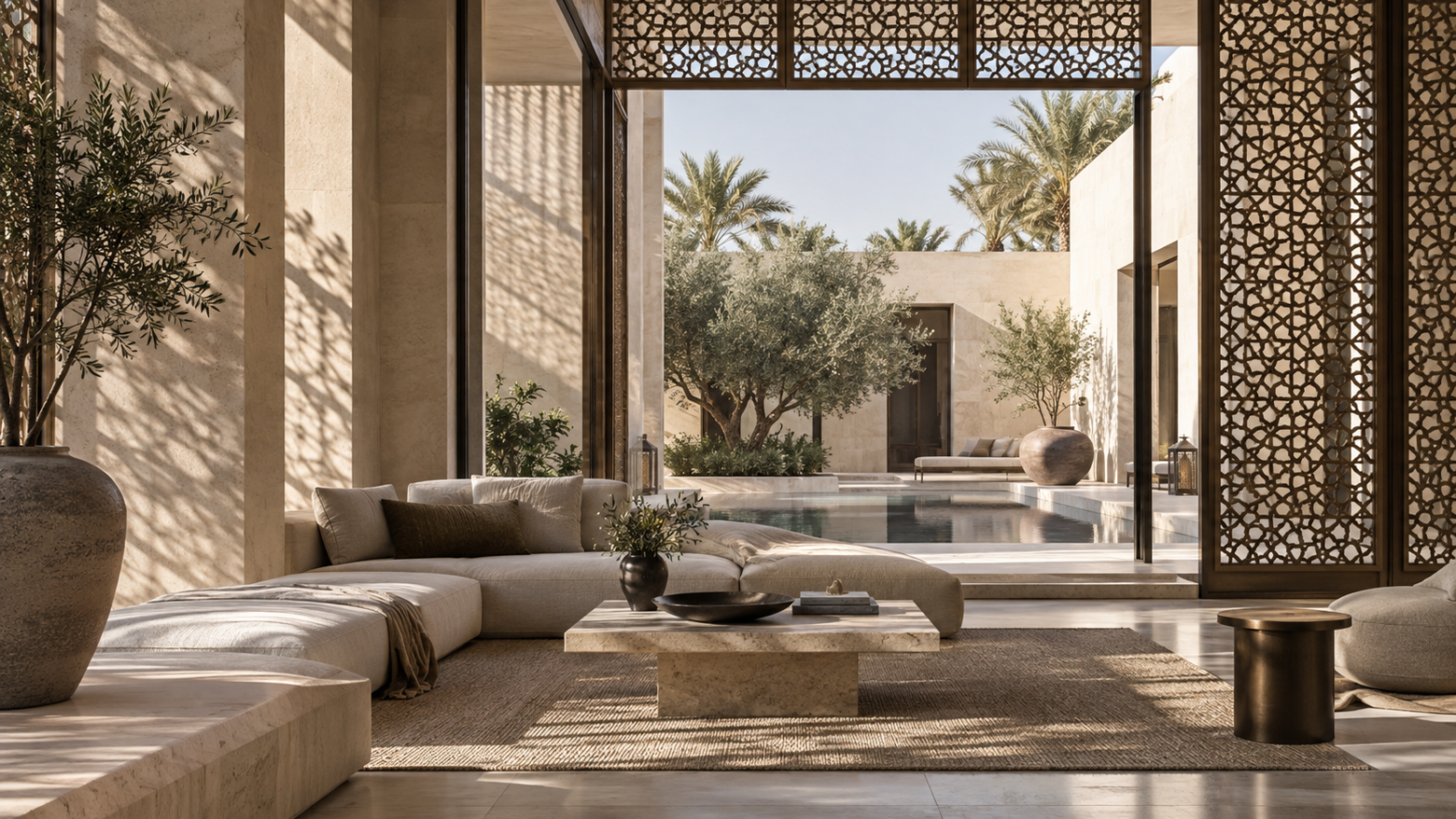
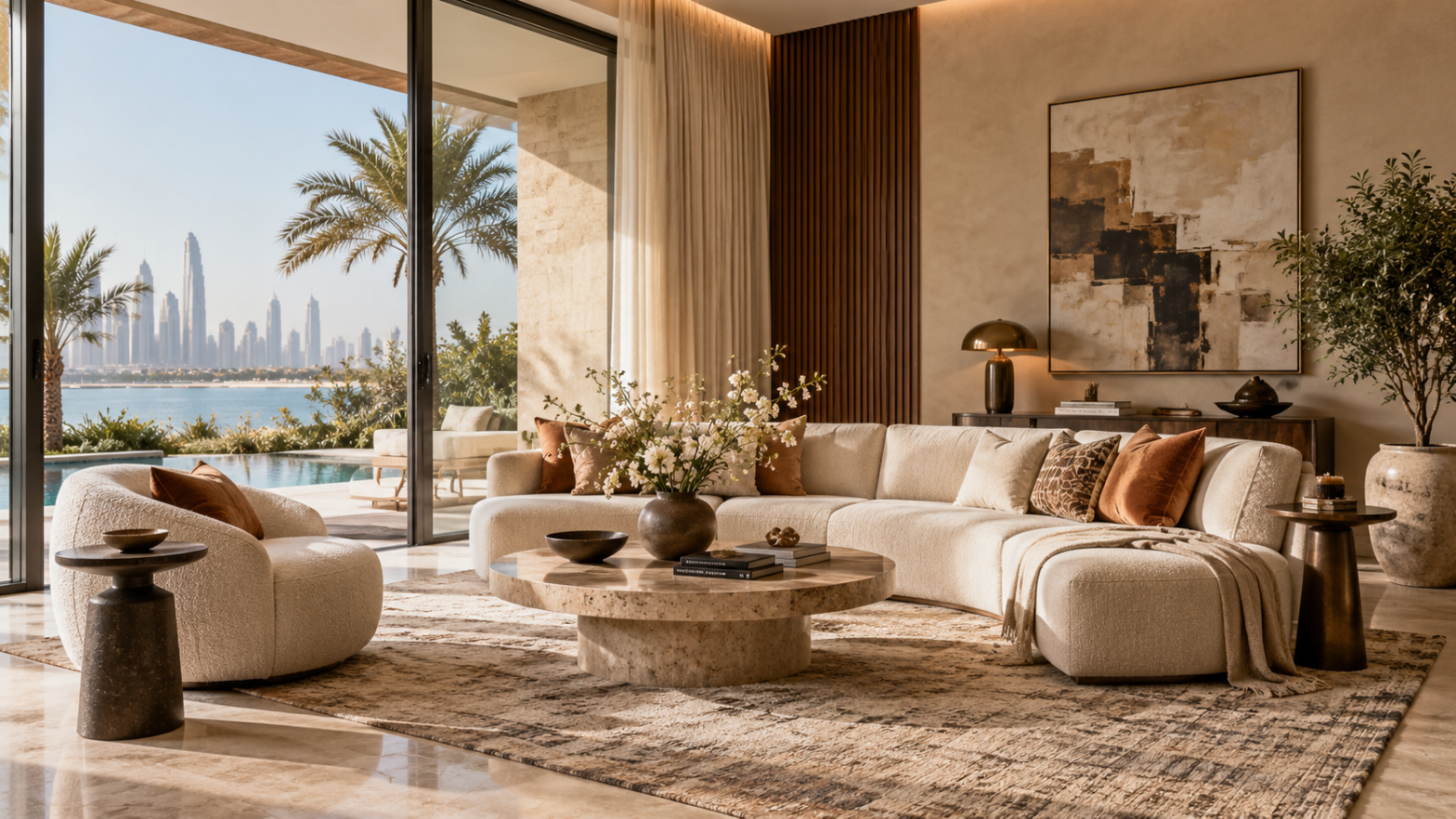
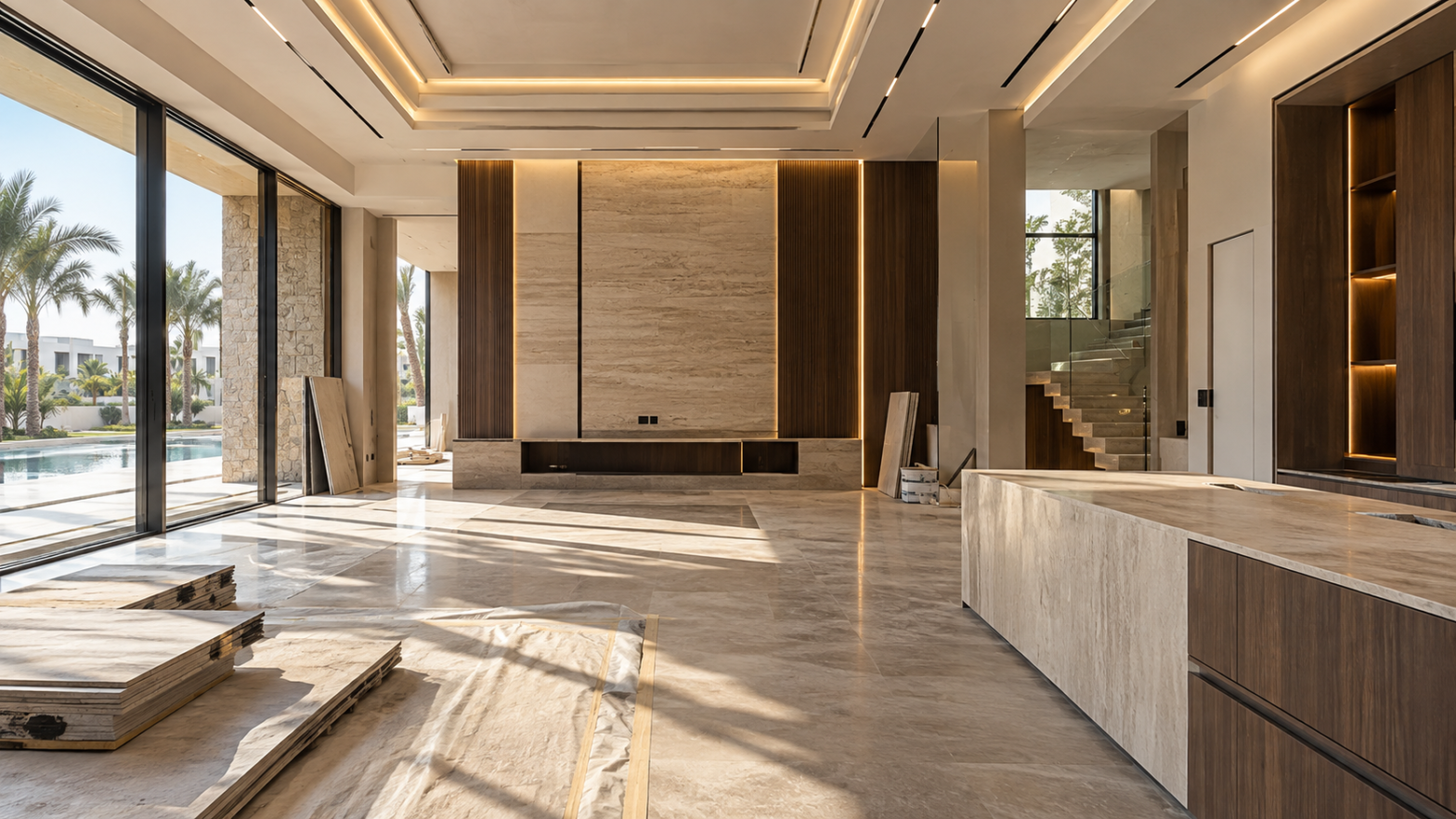
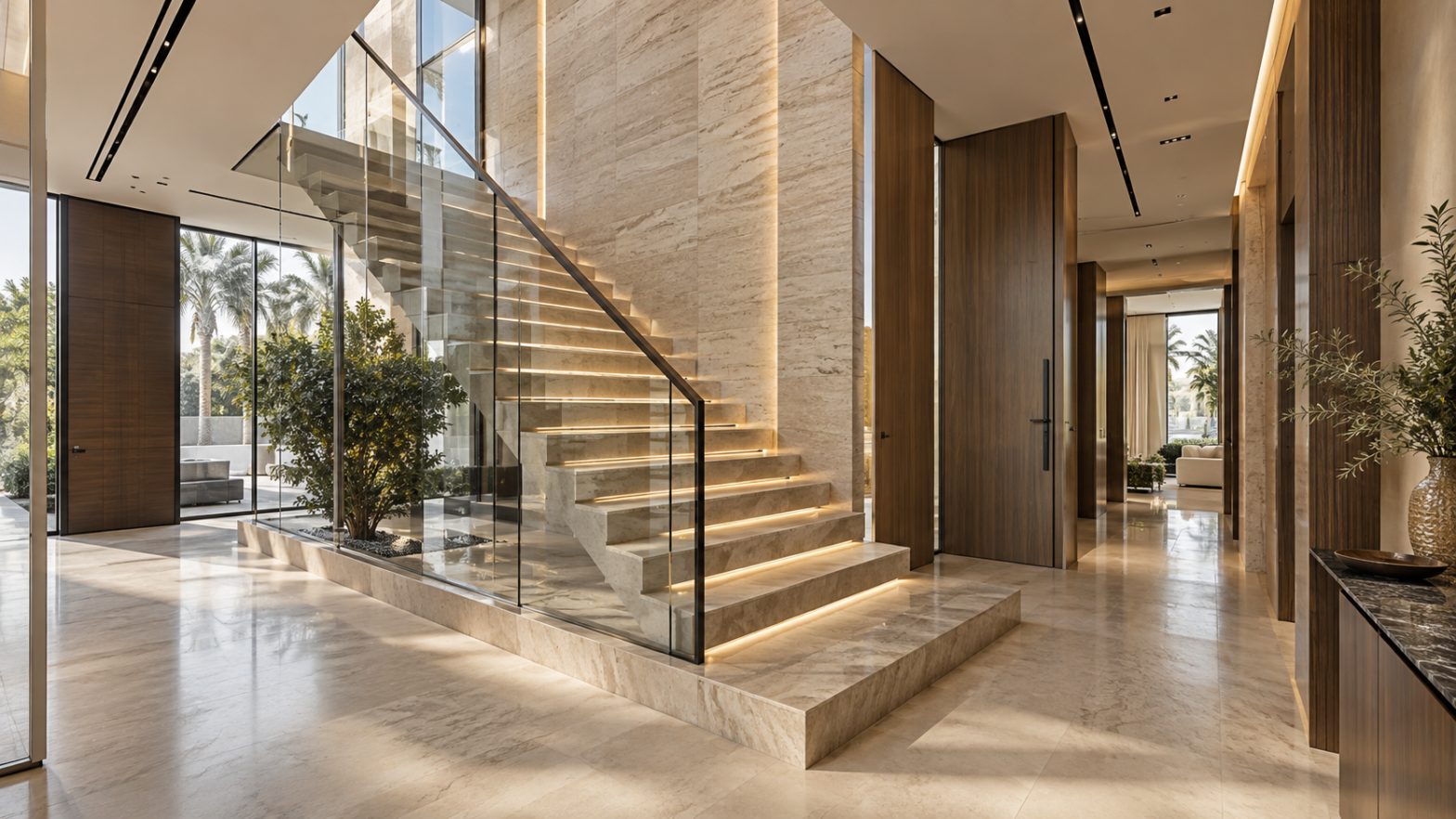
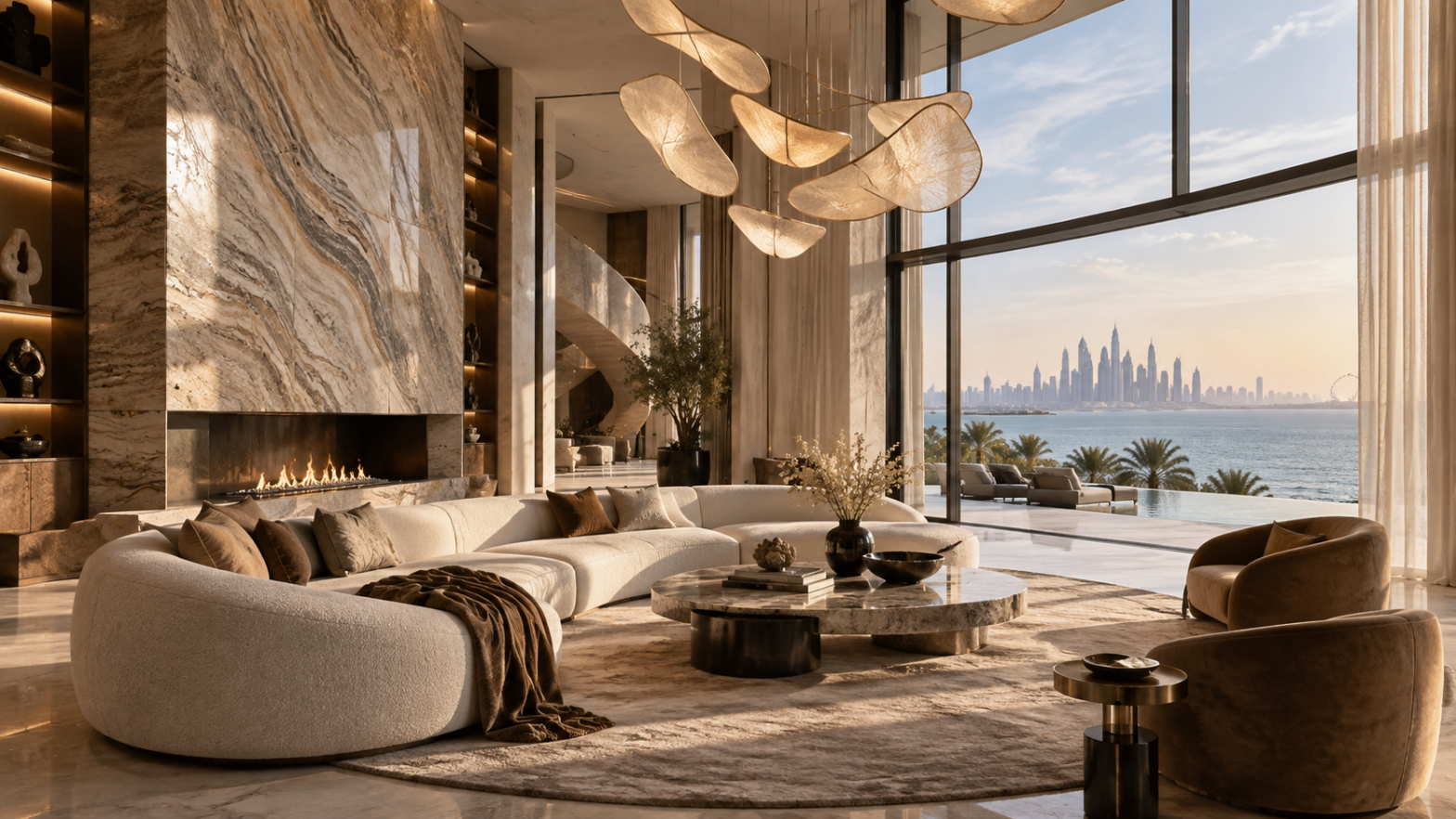
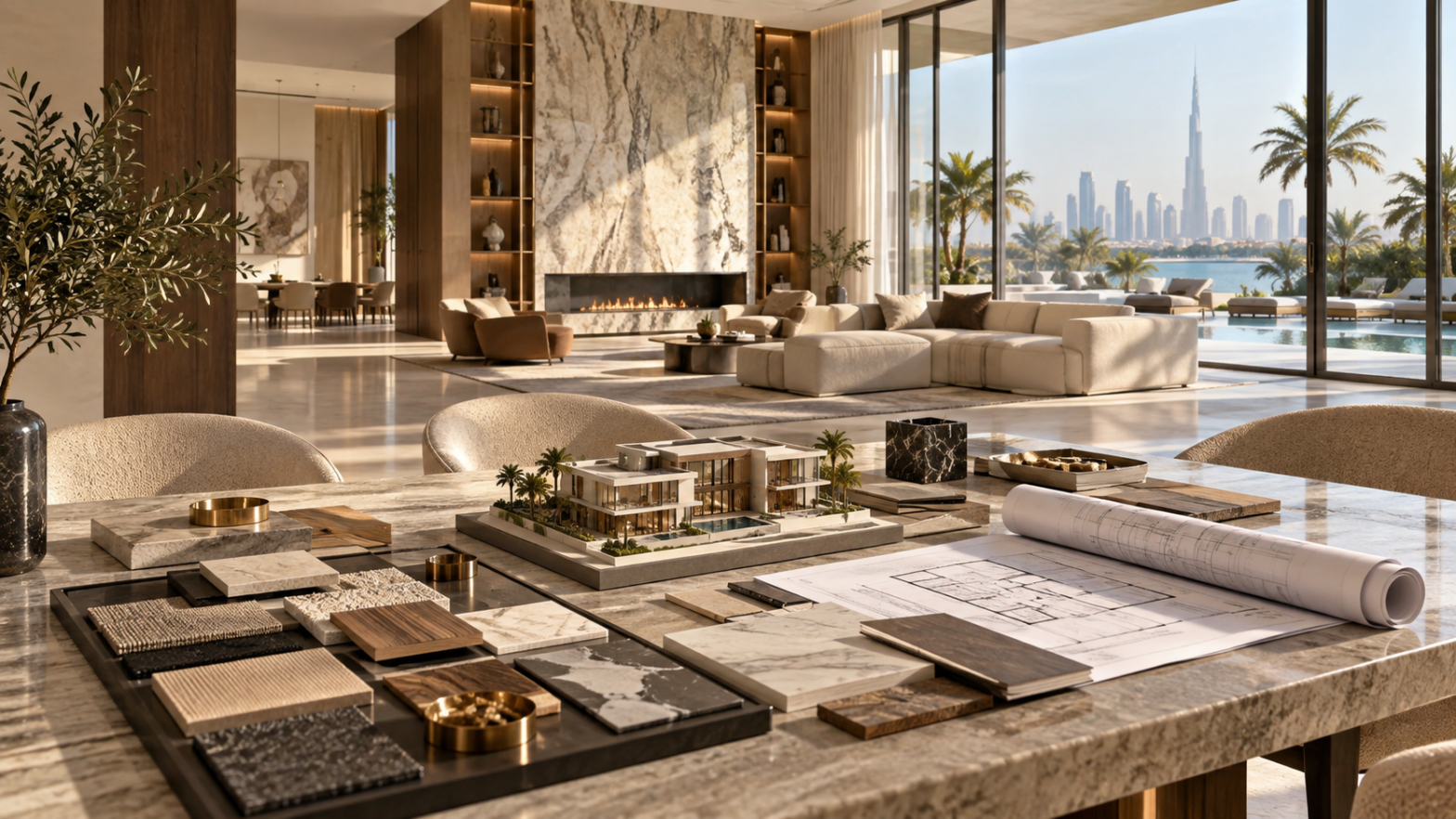
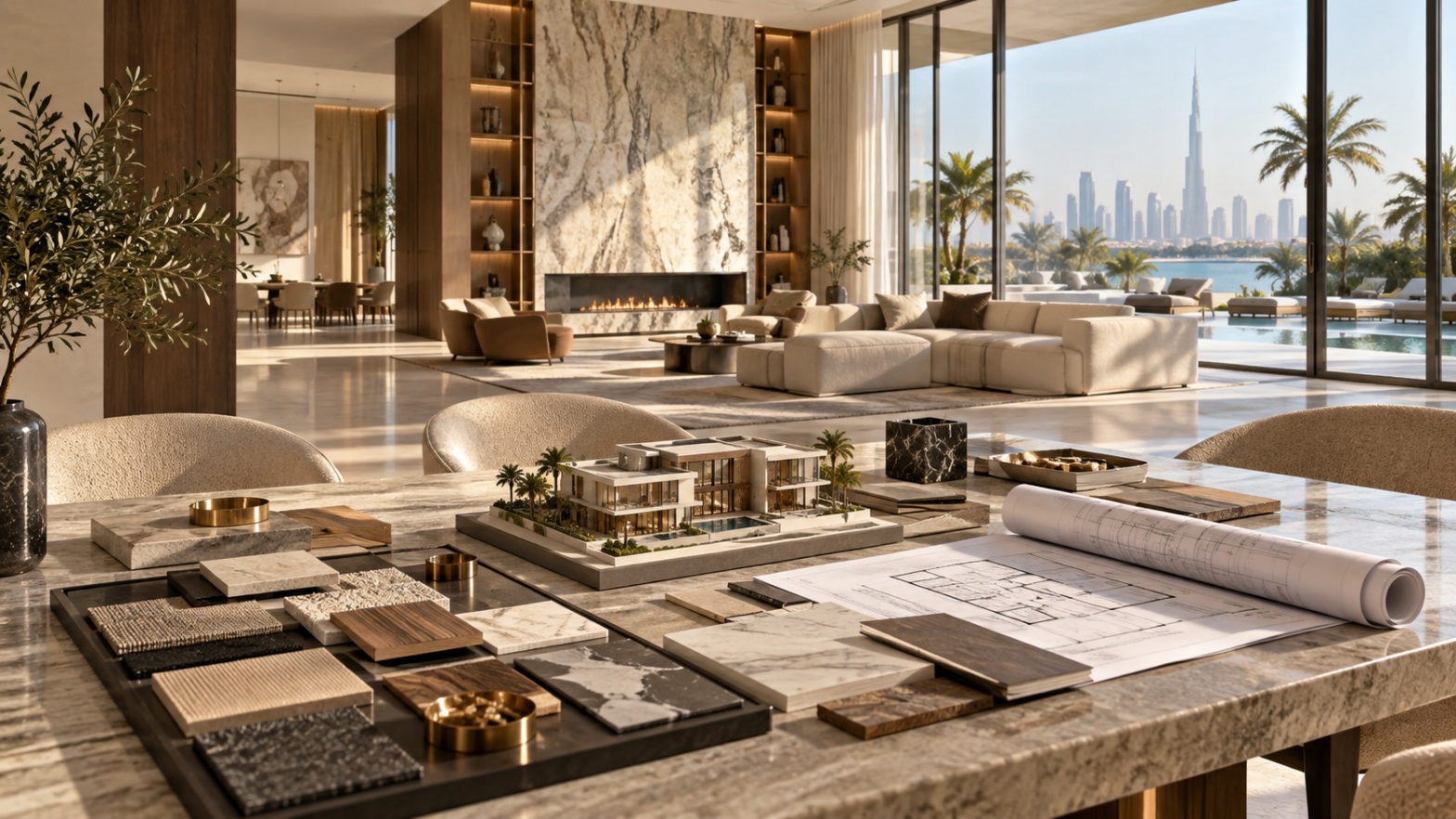
A minimalist apartment interior design guide focuses on decluttering, intentional furniture selection, and a neutral color palette to create airy, functional spaces. In a bustling city like Dubai, minimalism emphasizes high-quality materials, clever storage solutions, and maximizing natural light, turning small urban apartments into peaceful, luxurious retreats that balance modern aesthetics with everyday utility. Living in a vibrant, fast-paced city like Dubai often means dealing with compact apartment living, where every square inch counts. Minimalism is far more than just an aesthetic choice; it is a philosophy of intentionality. By stripping away the unnecessary, you allow the architecture of your space to shine while creating a sanctuary that offers respite from the busy streets outside. For many residents in Dubai, the goal is to elevate their home into a space that feels both luxurious and breathable. Minimalism in interior design is often misunderstood as cold or empty. In reality, it is about curating a home that focuses on “quality over quantity.” By choosing furniture with clean lines, utilizing smart storage, and embracing a soft, neutral color palette, you can transform a standard apartment into a high-end living environment. This guide will walk you through the essential principles of modern minimalist design, specifically tailored for the unique climate and lifestyle of the UAE, ensuring your home remains both functional and visually stunning. Why Minimalism is the Perfect Choice for Dubai Apartments Dubai apartments are characterized by their modern architecture, floor-to-ceiling windows, and often, stunning skyline or coastal views. Minimalism is the ideal design language to complement these features. By keeping the interior design simple, you naturally draw the eye toward the windows, making the apartment feel larger and more connected to the city landscape. Beyond the visual benefits, a minimalist approach is highly practical for the local climate. Using materials like polished concrete, cool stone, or light-colored linens can help maintain a sense of coolness during the warmer months. Minimalism also reduces the accumulation of dust and clutter, which is a significant advantage in an environment where maintenance and ease of cleaning are priorities for busy professionals. Enhances the feeling of space in smaller floor plans. Maximizes natural light through unobstructed window views. Reduces visual noise, creating a calming atmosphere after work. Encourages the use of high-quality, durable furniture pieces. Easier to maintain and keep clean in a fast-paced urban setting. Mastering the Neutral Color Palette The foundation of any minimalist home is its color scheme. To achieve a sophisticated look, you should lean toward a monochromatic or neutral palette. Think of shades of warm beige, soft taupe, crisp white, and muted greys. These colors act as a canvas, allowing the textures and shapes of your furniture to provide the necessary visual interest. In a Dubai context, you might incorporate “desert-inspired” neutrals. Using earthy tones like terracotta, sand, or soft stone textures can ground your apartment while keeping it light and airy. It is important to remember that neutral does not mean boring; by mixing different shades and layering textures, you create depth without needing a loud or chaotic color scheme. Stick to a 60-30-10 rule: 60% base color, 30% secondary neutral, 10% accent. Layer textures like wool rugs, linen curtains, and leather chairs to add warmth. Avoid high-contrast patterns that can make a room feel smaller. Use paint with a matte finish to reduce glare from the bright Dubai sun. Selecting Furniture with Intentional Design In minimalist interior design, every piece of furniture must serve a purpose. Before purchasing a new item, ask yourself if it is functional, beautiful, or both. Avoid bulky, oversized pieces that overwhelm the room. Instead, look for furniture with slim profiles, tapered legs, and clean geometric shapes that allow light to pass underneath them, creating a sense of openness. Consider multi-functional pieces that are perfect for apartment living. A stylish ottoman that doubles as storage, a coffee table with hidden drawers, or a sleek console that acts as a workspace are all excellent investments. In Dubai’s luxury market, look for pieces that utilize premium materials like brushed brass, marble, or solid wood, which elevate the space without adding unnecessary clutter. Prioritize furniture with “leggy” designs to keep floor space visible. Choose modular sofas that can be rearranged to suit different gatherings. Invest in one or two “statement” pieces that anchor the room. Ensure all furniture pieces are proportional to the size of the apartment. Maximizing Storage for a Decluttered Life Clutter is the enemy of minimalism. In an apartment, storage is often a challenge, but it is also the key to maintaining a minimalist aesthetic. The secret is to integrate storage so that it becomes invisible. Built-in cabinetry that matches the wall color is a fantastic way to hide everything from electronics to personal belongings, keeping your surfaces completely clear. Think vertically. Utilize wall-mounted shelving or floor-to-ceiling cabinets to draw the eye upward, which also helps make your ceilings feel higher. In high-end Dubai apartments, custom joinery is highly recommended. By working with a professional design team, you can create bespoke storage solutions that fit perfectly into the unique nooks and crannies of your specific apartment layout. Use floor-to-ceiling built-ins to hide everyday items. Opt for hidden handles or push-to-open cabinets for a seamless look. Keep surfaces like coffee tables and kitchen islands clear of small objects. Use decorative baskets or boxes to organize items inside cabinets. Lighting: Setting the Mood for Modern Living Lighting is one of the most important aspects of minimalist design. Since your space is kept simple, lighting fixtures often serve as the primary focal points or “sculptures” in the room. In the evening, you want your apartment to feel cozy and inviting, while during the day, you want to make the most of the abundant natural light Dubai is famous for. Layer your lighting. Combine overhead recessed lighting for general illumination, floor lamps for task lighting, and subtle accent lighting to highlight architectural features or artwork. Warm-toned bulbs are essential for creating a comfortable, luxurious vibe. Avoid harsh, cool-white… Continue reading The Ultimate Minimalist Apartment Interior Design Guide for Dubai Living

Hidden Container for Elementor Template
Add custom CSS for hiding and showing the mega menu on hover