Hidden Container for Elementor Template Add custom CSS for hiding and showing the mega menu on hover

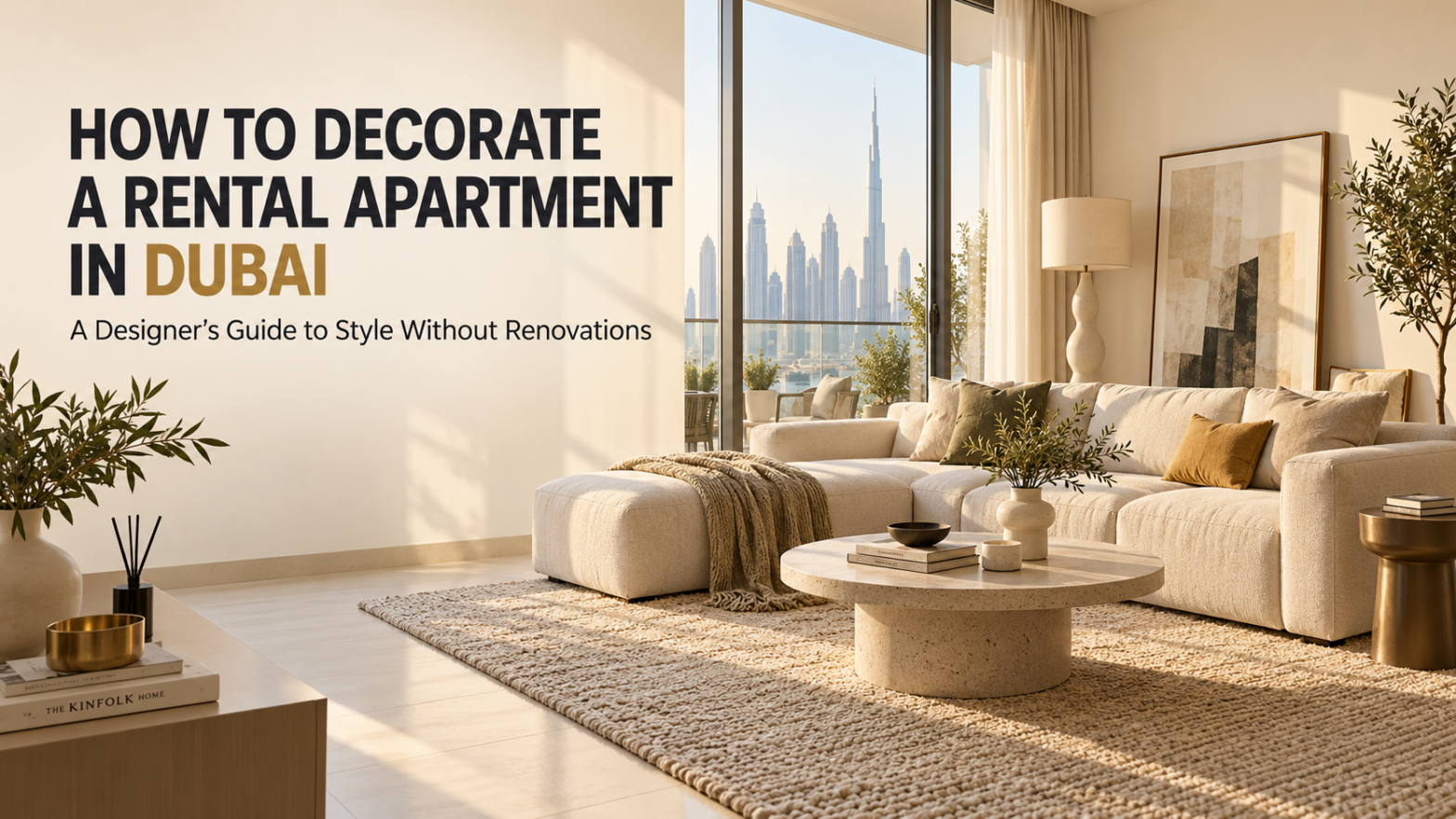
How to Decorate a Rental Apartment in Dubai: A Designer’s Guide to Style Without Renovations

To decorate a rental apartment in Dubai, focus on non-permanent upgrades like modular furniture, high-quality area rugs, and statement lighting that doesn’t require hardwiring. Use peel-and-stick wallpaper, floor-to-ceiling curtains, and curated gallery walls to personalize your space while ensuring all modifications remain compliant with your tenancy contract and Dubai landlord regulations. Moving into a new rental apartment in a city as vibrant as Dubai is an exciting milestone. Whether you are settling into a sleek high-rise in Downtown, a family-friendly villa in Arabian Ranches, or a chic apartment in Dubai Marina, the challenge often remains the same: how to make a temporary space feel like a permanent sanctuary. Many tenants feel restricted by the “no-renovation” clauses common in UAE tenancy contracts, fearing that they cannot express their personal style without risking their security deposit. However, professional interior design is not just about knocking down walls or changing floor tiles. It is about the art of layering textures, optimizing spatial flow, and selecting pieces that reflect your lifestyle. In the Dubai market, where high-end finishes are standard but often lack character, the goal is to infuse your personality into the “blank canvas” provided by the landlord. By focusing on smart, removable, and high-impact design choices, you can transform a cookie-cutter rental into a luxurious, personalized home that feels uniquely yours. This guide explores expert strategies to elevate your rental living experience while respecting the terms of your lease. Understanding the Dubai Rental Landscape: Design Within Limits Before you start buying furniture or hanging art, it is essential to understand the specific constraints of the Dubai rental market. Most landlords are protective of their property’s original state, particularly regarding electrical and plumbing modifications. Fortunately, modern interior design trends favor flexibility, making it easier than ever to create a high-end look without permanent changes. The key to success is prioritizing “moveable” design elements. Think of your apartment as a stage set that you can curate, layer, and rearrange. By shifting the focus from structural changes to cosmetic enhancements, you avoid potential disputes with your landlord and ensure that your investment in decor can travel with you to your next home. Review your tenancy contract for specific clauses regarding wall mounting and drilling. Focus on “soft” design elements like textiles, rugs, and curtains to soften sterile white walls. Use non-destructive adhesive strips for hanging art instead of traditional nails. Prioritize furniture that is modular and versatile for different room dimensions. The Power of Lighting: Setting the Mood One of the most overlooked aspects of rental interior design is lighting. Most Dubai apartments come with standard, often harsh, ceiling-mounted spotlights or fluorescent fixtures. These can make a luxury apartment feel more like an office. Changing the lighting scheme is the fastest way to add warmth and sophistication to your home. Since you cannot easily replace hardwired fixtures, focus on floor lamps, table lamps, and smart lighting solutions. Layering your lighting—combining ambient, task, and accent lighting—creates depth and makes a room feel larger. In the evening, warm-toned bulbs can instantly change the atmosphere of a room from functional to cozy and inviting. Use floor lamps with interesting silhouettes to act as sculptural decor pieces. Incorporate smart LED strips behind TVs or under cabinets for a modern, high-tech glow. Place table lamps on sideboards or nightstands to create “pools” of light that break up large, dark corners. Consider plug-in wall sconces that provide the look of high-end lighting without needing an electrician. Textiles and Rugs: Adding Texture to Modern Spaces Dubai apartments often feature marble or porcelain tile flooring. While these are excellent for the climate, they can feel cold and echoey. Introducing high-quality rugs is the most effective way to anchor a room, add warmth, and introduce color or pattern into your rental. A large area rug can define the living area in an open-plan apartment, creating a distinct “zone” for relaxation. Beyond rugs, think about window treatments. Many rentals come with basic plastic blinds. By installing floor-to-ceiling curtains on tension rods or existing tracks, you can add a touch of luxury and softness to the room. Velvet, linen, or sheer curtains can make your ceilings feel higher and your windows look more grand. Select large rugs that fit under the front legs of your sofa to unify the furniture arrangement. Layer rugs by placing a smaller, textured rug over a larger, neutral jute or sisal base. Choose blackout curtains for the bedroom to improve sleep quality during the bright Dubai summers. Use throw pillows and blankets in varying fabrics like silk, wool, and cotton to add tactile interest. Vertical Space and Wall Treatments When you cannot paint the walls, you have to get creative with how you decorate them. In the UAE, peel-and-stick wallpaper has become a game-changer for renters. It is easy to apply, comes in countless designs, and can be removed without damaging the paint underneath. It is perfect for creating an accent wall in a bedroom or a sophisticated backdrop for a dining room. If you prefer not to use wallpaper, consider a gallery wall. Using command hooks or heavy-duty adhesive strips, you can display your favorite art, photography, or even mirrors. Mirrors are particularly effective in Dubai rentals, as they reflect light and make smaller apartments feel significantly more spacious and airy. Create a feature wall in the bedroom using peel-and-stick wallpaper in a geometric or botanical print. Use floor-length mirrors leaning against the wall to create the illusion of extra square footage. Hang tapestries or large-scale woven wall art to add texture without needing frames. Group art pieces of varying sizes to create a dynamic visual focal point. Functional Furniture for Flexible Living In a rental property, you never know exactly what your next floor plan will look like. This is why investing in modular and multi-functional furniture is a smart long-term strategy. Avoid buying massive, custom-built pieces that only fit in one specific corner of your current apartment. Instead, look for sofas with removable covers, nesting coffee tables,… Continue reading How to Decorate a Rental Apartment in Dubai: A Designer’s Guide to Style Without Renovations

Published
Categorized as Blog

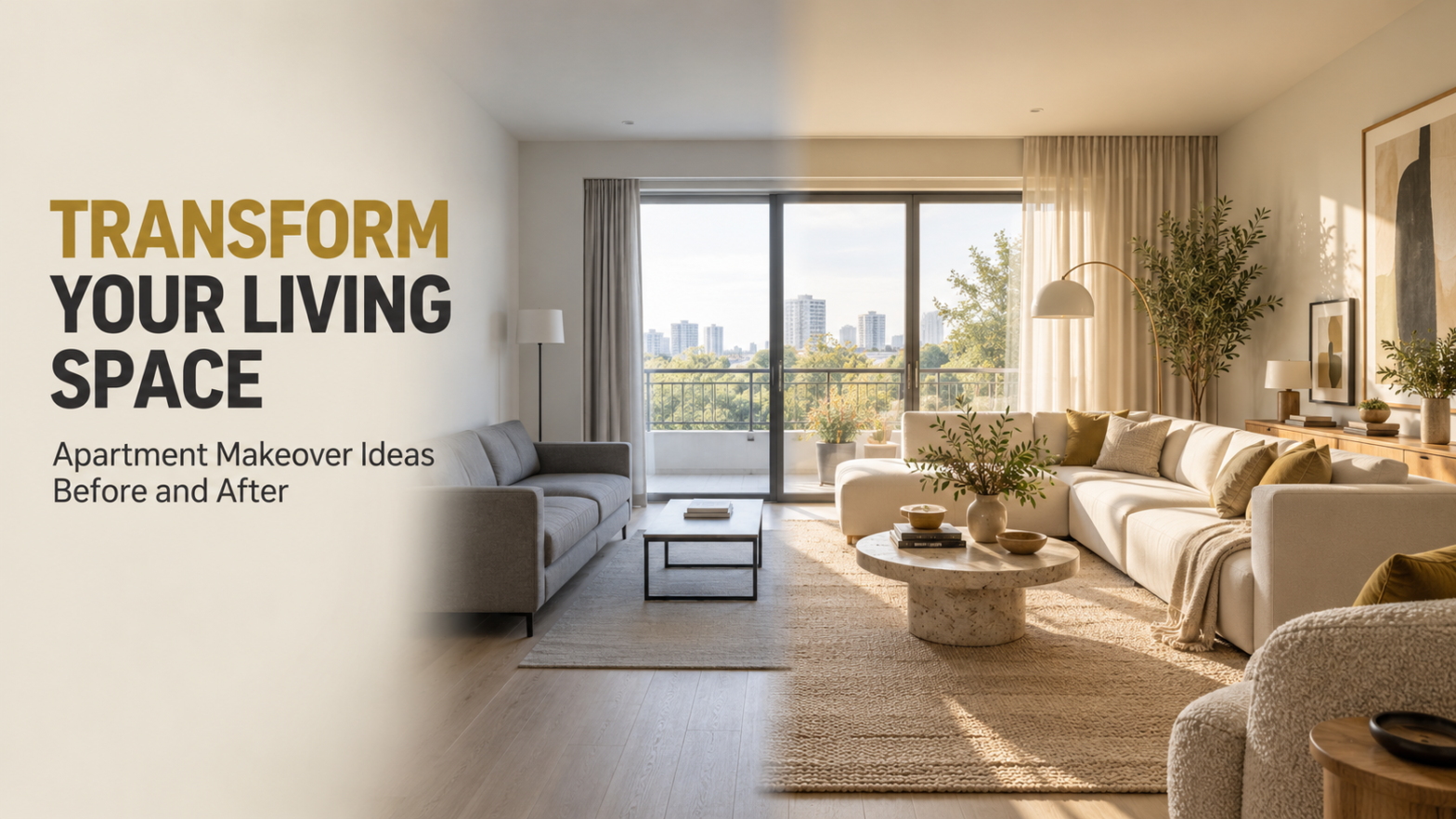
Transform Your Living Space: Apartment Makeover Ideas Before and After

Achieving a stunning apartment makeover involves focusing on strategic lighting, multifunctional furniture, and neutral color palettes to maximize space. By comparing apartment makeover ideas before and after, you can see how decluttering, vertical storage solutions, and cohesive interior styling turn cramped, outdated layouts into modern, high-end living environments tailored for the Dubai lifestyle. Living in a bustling city like Dubai often means balancing limited square footage with a desire for luxury and comfort. Whether you are moving into a new studio in Business Bay or looking to revitalize a long-term residence in the Marina, the transformation process is both an art and a science. An apartment makeover is not just about painting walls or buying new cushions; it is about reimagining how your space functions on a daily basis. When we look at successful apartment makeover ideas before and after, the difference almost always lies in the intentionality of the design. Many homeowners feel overwhelmed by the constraints of apartment living, assuming that small spaces cannot be elegant or functional. However, with the right approach to spatial planning, lighting design, and materiality, even the most challenging floor plans can become tranquil retreats. In this guide, we explore the essential steps to elevate your home, ensuring that your renovation process is smooth, cost-effective, and aesthetically pleasing. From modern home design trends to practical storage hacks, these insights will help you achieve a professional-grade transformation. Why Does Spatial Planning Matter in Apartment Design? The biggest mistake people make during an apartment renovation is buying furniture before measuring the flow of the room. In smaller apartments, every square centimeter counts. Successful renovations start with a floor plan that prioritizes movement and natural light. If you look at high-end Dubai apartments, you will notice that furniture is rarely pushed against every wall, which creates a cramped feeling. Professional interior designers focus on “zoning” to create distinct areas for dining, working, and relaxing. By using area rugs, lighting fixtures, or open shelving units, you can define these spaces without needing physical walls. This creates an airy, open-concept feel that makes the entire apartment look larger than it actually is. Identify the primary function of each room before selecting furniture. Use “negative space” to allow the eye to rest and the room to breathe. Ensure pathways between furniture pieces are at least 90cm wide for easy movement. Consider the placement of mirrors to reflect light and expand the visual boundaries of the room. How to Choose the Right Color Palette for Small Spaces? When comparing apartment makeover ideas before and after, color is often the most dramatic change. While many people gravitate toward bright, bold colors, these can sometimes shrink a space. For a modern, sophisticated look, a neutral base—think soft greys, warm beiges, or crisp whites—works best. These shades reflect light and provide a blank canvas for your personal style. Once your neutral base is established, you can introduce color through textures and accessories. In the context of luxury interiors in the UAE, textures like marble, brushed gold, and velvet add depth. You don’t need to paint a wall neon to make a statement; a textured feature wall or a high-quality piece of art can do the job much more effectively. Stick to a 60-30-10 rule: 60% dominant color, 30% secondary, 10% accent. Use lighter colors on walls and ceilings to create the illusion of height. Incorporate organic materials like wood or stone to add warmth to minimalist designs. Ensure your color palette remains consistent throughout the apartment to create a flow. The Role of Lighting in Transforming Your Apartment Lighting is the “hidden” element that separates a basic renovation from a designer-grade makeover. In many apartments, the standard overhead lighting is harsh and unflattering. To upgrade your home, you must move toward layered lighting. This means combining ambient lighting, task lighting, and accent lighting to create a mood. In a modern Dubai apartment, smart lighting systems are becoming a staple. Being able to dim your lights or change the color temperature via a phone app allows you to transition your living room from a bright, productive workspace during the day to a cozy, ambient lounge at night. This versatility is crucial for residents who work from home. Install dimmers on all main light switches to control the mood instantly. Use floor lamps to illuminate dark corners and draw the eye upward. Under-cabinet lighting in the kitchen is both functional and aesthetically pleasing. Opt for warm-toned LED bulbs (2700K to 3000K) to keep the space feeling inviting. Multifunctional Furniture: The Secret to Efficiency If you search for apartment makeover ideas before and after, you will notice that the “before” photos are usually cluttered with unnecessary furniture. The “after” photos, however, are filled with clever, multifunctional pieces. In an apartment, every piece of furniture must earn its place. A sofa that doubles as a guest bed or a coffee table with hidden storage is worth its weight in gold. When selecting furniture, look for pieces with “legs” rather than solid bases. Seeing the floor underneath a sofa or a chair makes the room feel more spacious because the floor area isn’t visually blocked. This is a classic trick used in high-end commercial interiors to make smaller offices feel like sprawling suites. Choose ottomans that can serve as extra seating or a coffee table. Invest in custom joinery for media units to hide cables and clutter. Use wall-mounted desks that fold away when not in use. Look for nesting tables that can be separated when guests arrive. The Power of Vertical Storage and Decluttering Clutter is the enemy of good design. In smaller apartments, the floor space is limited, so the best way to store items is to go vertical. Floor-to-ceiling shelving, tall bookcases, or high-mounted cabinets draw the eye up, making the ceilings feel higher and the room feel grander. This is an essential tactic for anyone looking to maximize their square footage. Before you start any renovation, perform a thorough declutter. If an item… Continue reading Transform Your Living Space: Apartment Makeover Ideas Before and After

Published
Categorized as Blog

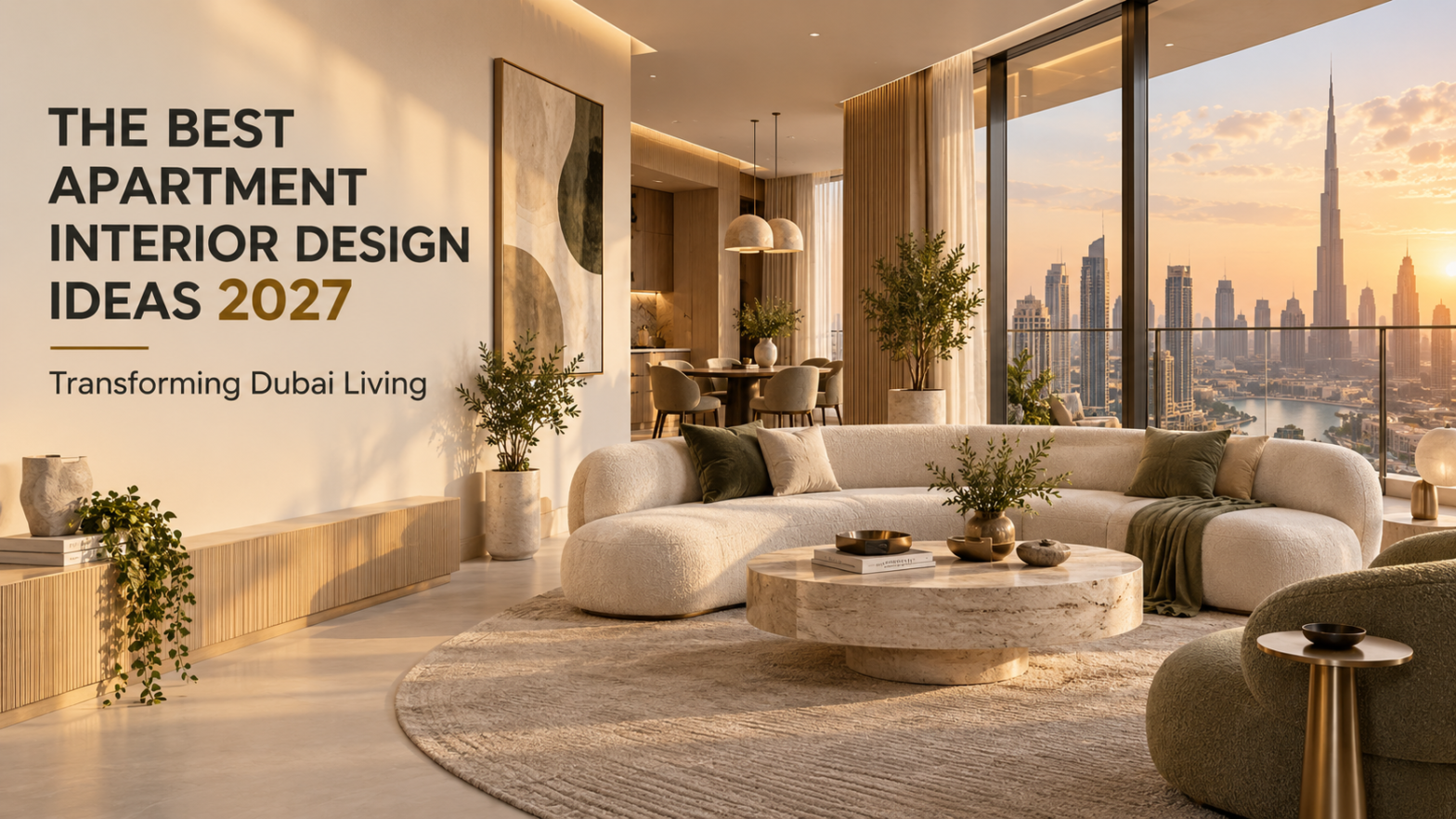
The Best Apartment Interior Design Ideas 2027: Transforming Dubai Living

The best apartment interior design ideas 2027 center on “biophilic minimalism,” which blends sustainable, natural textures with smart-home technology. In Dubai, this means maximizing natural light, using high-performance materials resistant to desert climates, and creating multifunctional zones that emphasize wellness, organic curves, and seamless indoor-outdoor transitions for a sophisticated, serene urban lifestyle. As we approach 2027, the landscape of apartment living in Dubai is undergoing a radical transformation. Gone are the days of sterile, cold luxury. Instead, the focus has shifted toward spaces that act as personal sanctuaries, balancing the high-energy pulse of the city with the need for deep, restorative calm. Whether you are living in a sleek high-rise in Downtown Dubai or a family-friendly apartment in Jumeirah, the design trends for the coming years are all about personalization, sustainability, and technological integration. The modern apartment is no longer just a place to sleep; it is a hub for remote work, social hosting, and mental rejuvenation. Interior design in 2027 requires a nuanced understanding of how humans interact with their environment. By choosing the right color palettes, furniture layouts, and lighting schemes, you can turn even the most modest apartment into a masterpiece of contemporary architecture. In this guide, we explore the essential design philosophies that will define the most desirable apartments in the UAE over the next few years. Why Biophilic Minimalism is Taking Over Dubai Biophilic design—the practice of connecting indoor occupants more closely to nature—is reaching its peak in 2027. In a city like Dubai, where the external landscape is often dominated by glass, steel, and sand, bringing the outside in is not just a trend; it is a necessity for mental well-being. Minimalism provides the structure, while biophilic elements provide the soul. This design approach avoids clutter in favor of carefully curated, natural materials. Think stone countertops with raw edges, wooden wall paneling that adds warmth, and indoor vertical gardens that act as natural air purifiers. By stripping away the unnecessary, you allow the beauty of natural light to become the primary decor element of your apartment. Natural Textures: Use travertine, limestone, and light oak to create a tactile, grounding experience. Living Walls: Incorporate vertical greenery in living areas to improve air quality and reduce stress. Organic Shapes: Move away from sharp, boxy furniture toward rounded sofas, curved kitchen islands, and arched doorways. Sunlight Optimization: Use sheer, automated curtains that filter the harsh Dubai sun while maintaining brightness. Smart Integration: The Invisible Tech Trend By 2027, the “smart home” will no longer be a collection of visible gadgets and tangled wires. The most sophisticated apartments will feature “invisible technology.” Everything from lighting temperature and climate control to acoustic systems will be seamlessly integrated into the structural design of the apartment, controlled by intuitive AI systems that learn your daily rhythm. For those living in luxury apartments, this means voice-activated glass partitions, hidden charging surfaces embedded into marble tables, and smart mirrors that provide health analytics. The goal is to remove friction from your daily life. Technology should support your lifestyle without cluttering your visual field, ensuring your home remains a peaceful retreat. Hidden Charging Pads: Integrate wireless charging directly into stone or wooden side tables. Circadian Lighting: Install smart lighting that automatically shifts from cool, energizing blue tones in the morning to warm, amber tones in the evening. Voice-Controlled Privacy: Use smart-glass technology that turns transparent windows opaque at a simple voice command. Integrated Acoustics: Conceal high-fidelity speakers within wall panels to provide immersive sound without visible hardware. How to Master Multifunctional Zoning Space is the ultimate luxury in Dubai’s real estate market. Whether you are in a compact studio or a sprawling penthouse, the ability to define zones without building permanent, claustrophobic walls is a hallmark of elite interior design. In 2027, the focus is on “fluid architecture”—the use of furniture and lighting to delineate spaces. Instead of traditional room dividers, consider using area rugs, changes in floor materials, or open-shelving units that allow light to pass through. This keeps the apartment feeling airy and spacious while still providing a dedicated area for focused work, dining, and relaxation. The key is to ensure that each zone has its own “visual anchor,” such as a piece of art or a statement pendant light. Floor Transitions: Use different textures, such as herringbone wood in the living area and marble in the kitchen, to define boundaries. Modular Furniture: Invest in furniture that can be reconfigured based on your needs, such as sectional sofas or nesting tables. Suspended Lighting: Use low-hanging pendants over the dining area to create a “room within a room” effect. Glass Partitions: Use fluted or smoked glass partitions to maintain privacy for a home office without blocking natural light. The Rise of Sustainable Luxury Materials Sustainability is no longer an afterthought; it is a core component of high-end design. In 2027, clients are demanding materials that are not only beautiful but also ethically sourced and long-lasting. In the Dubai climate, choosing high-performance materials that withstand heat and humidity is essential for protecting your investment. We are seeing a move toward recycled metals, lab-grown stone, and eco-conscious fabrics that offer the same luxury feel as traditional materials. These choices reduce the carbon footprint of your renovation and often require less maintenance, making them ideal for the fast-paced lifestyle of Dubai residents. Recycled Metals: Use brushed brass or matte black recycled steel for fixtures and hardware. Eco-Friendly Fabrics: Opt for high-performance, stain-resistant linens and velvets made from recycled fibers. Low-VOC Paints: Use paints that are free from harmful chemicals to ensure the air quality in your apartment remains pristine. Custom Sustainable Millwork: Work with local artisans to create bespoke furniture using responsibly sourced, climate-appropriate woods. Color Palettes: Moving Beyond Beige While the “all-beige” look has been popular, 2027 is ushering in a more adventurous color palette. Designers are now looking toward “earthy elegance”—deep, rich tones inspired by the natural landscape. Think terracotta, sage green, sandy gold, and even hints of deep ocean blue. These colors… Continue reading The Best Apartment Interior Design Ideas 2027: Transforming Dubai Living

Published
Categorized as Blog

Mastering Small Space Living: How to Design a Small Apartment Interior in Dubai

To design a small apartment interior effectively, prioritize multi-functional furniture, vertical storage solutions, and a cohesive light color palette. By utilizing reflective surfaces like mirrors and strategic lighting, you can visually expand the room. In high-density cities like Dubai, maximizing flow and minimizing clutter is essential for creating a comfortable, luxurious, and functional urban home. Living in a bustling metropolis like Dubai often means embracing the charm of a compact apartment. While small spaces offer intimacy and ease of maintenance, they also present a unique design challenge: how do you balance style, luxury, and functionality without the room feeling cramped? Many residents believe that limited square footage necessitates a sacrifice in aesthetics, but professional interior design proves otherwise. In fact, some of the most sophisticated homes are those that have been masterfully curated to make every inch count. Designing a small apartment interior requires a shift in mindset. It is not just about fitting furniture into a room; it is about intentional space planning, understanding light dynamics, and selecting pieces that serve multiple purposes. Whether you are situated in a sleek studio in Downtown Dubai or a cozy flat in the Marina, the goal remains the same: to create an environment that feels expansive, organized, and deeply personal. By applying architectural principles and modern decor trends, you can transform a modest footprint into a high-end living experience that rivals larger villas. How Can You Maximize Vertical Space for Better Storage? When floor space is at a premium, looking upward is the most logical step. Many homeowners ignore the upper two-thirds of their walls, leaving valuable storage potential untapped. In modern home design, verticality is your greatest ally for keeping surfaces clear and rooms feeling open. Consider installing floor-to-ceiling cabinetry or custom shelving units. By drawing the eye upward, you not only increase storage capacity but also create the illusion of higher ceilings. This trick is particularly effective in Dubai apartments where high-rise views often provide a beautiful backdrop that shouldn’t be obstructed by bulky, low-profile furniture. Use wall-mounted desks that fold away when not in use to save floor space. Install tall, slim bookshelves that reach the ceiling to display decor without widening the footprint. Utilize the space above doorways for shelving, perfect for storing books or seasonal items. Choose floor-to-ceiling curtains to emphasize height rather than width. Why is a Cohesive Color Palette Essential for Small Interiors? Color has a profound impact on how we perceive the size of a room. In smaller apartments, a fragmented color scheme can make the space feel chopped up and chaotic. A cohesive, light-reflecting palette creates a seamless transition between zones, making the apartment feel like one unified space rather than a collection of tiny rooms. Neutral tones—such as soft whites, warm greys, and sandy beiges—are excellent for maximizing natural light, which is abundant in the UAE. However, neutrality does not have to mean boring. You can introduce depth through texture rather than bold, contrasting colors. Think linen upholstery, velvet cushions, or metallic accents that catch the light and add a touch of luxury to your interior styling. Stick to a 60-30-10 rule: 60% dominant light color, 30% secondary neutral, and 10% accent color. Use the same flooring material throughout the entire apartment to avoid visual breaks. Paint your walls and trim the same color to blur the boundaries of the room. Incorporate transparent materials like acrylic chairs or glass coffee tables to reduce visual weight. How Do You Select Multi-Functional Furniture for Compact Living? In a small apartment, every piece of furniture must earn its place. If an item does not provide at least two functions, it might be taking up valuable real estate. Multi-functional furniture is the backbone of efficient space planning, allowing you to transition your living area from a workspace by day to a lounge by night. Look for pieces that offer hidden storage or transformable capabilities. A sofa bed is a classic example, but modern designs have evolved significantly. Think coffee tables with built-in lift tops that double as dining desks, or ottomans that provide both seating and internal storage for blankets and tech accessories. Invest in a bed frame with deep drawers underneath for seasonal clothing storage. Consider nesting tables that can be tucked away when you are hosting guests. Use modular shelving that can be reconfigured as your storage needs change. Choose furniture with legs rather than solid bases; seeing the floor underneath makes the room feel larger. The Role of Lighting and Mirrors in Expanding Your Space Lighting is often the most underrated element in interior design, yet it is the most crucial for small apartments. Proper lighting design can manipulate perception, making a dark corner feel like a bright, airy nook. In Dubai, where we enjoy intense natural sunlight, the challenge is often balancing that light with artificial layers for the evening. Mirrors are the oldest trick in the book for a reason. By placing a large mirror strategically—such as opposite a window—you effectively double the amount of natural light entering the room and create a “window” into another space. This provides a sense of depth that is essential for preventing a “closed-in” feeling. Layer your lighting: combine ambient overhead lights, task lighting for work, and accent lighting for mood. Use oversized floor mirrors to add drama and light reflection to living rooms or hallways. Install LED strips under kitchen cabinets or behind headboards for a subtle, high-end glow. Avoid heavy, dark window treatments; opt for light, airy sheers that provide privacy while letting light filter through. How to Organize and Declutter for a Streamlined Aesthetic Design is only half the battle; the other half is maintenance. A beautifully designed small apartment can quickly lose its appeal if it becomes cluttered. Because there is less space to hide things, a “less is more” philosophy is mandatory. Adopting a minimalist approach to decor will allow your high-quality design choices to shine. Consider the “one in, one out” rule to keep your inventory in check.… Continue reading Mastering Small Space Living: How to Design a Small Apartment Interior in Dubai

Published
Categorized as Blog

The Ultimate Guide to the Best Apartment Interior Design Ideas 2027 in Dubai

The best apartment interior design ideas 2027 focus on biophilic integration, smart-home automation, and “soft minimalism” to maximize space. In Dubai’s luxury market, trending designs prioritize sustainable materials, warm earthy palettes, and multifunctional zones that seamlessly blend comfort with high-tech living, ensuring your home remains both functional and aesthetically timeless. As we approach 2027, the interior design landscape in Dubai is undergoing a sophisticated transformation. Living in a vibrant, fast-paced city like ours means your home needs to be more than just a place to sleep; it must be a sanctuary that balances serenity with the demands of a modern lifestyle. Whether you are looking to renovate a high-rise unit in Downtown Dubai or a chic apartment in the Marina, the upcoming trends emphasize personality, sustainability, and clever spatial planning. The core of modern home design is no longer just about following a specific aesthetic trend; it is about how the space makes you feel. In 2027, we are seeing a shift away from the stark, cold minimalism of the past decade toward a warmer, more soulful approach. Designers are embracing textures, organic shapes, and technology that integrates invisibly into the architecture. This guide explores the most impactful design strategies that will define the coming year, helping you create an apartment that stands out in the competitive Dubai real estate market while providing unmatched comfort for you and your family. What is the “Soft Minimalism” Trend and Why Does It Work in Dubai? Soft minimalism is the art of creating clean, clutter-free spaces without sacrificing warmth. In a city like Dubai, where glass-heavy architecture and bright, intense sunlight are the norms, soft minimalism acts as a perfect counter-balance. It relies on a neutral color palette but introduces depth through layered textures rather than bold patterns. By focusing on high-quality materials such as light oak, brushed stone, and linen, you create an environment that feels expensive yet approachable. This style is particularly effective in smaller apartments because it reduces visual noise, making the room feel significantly larger and more cohesive. Use monochromatic color schemes with varying shades of beige, cream, and taupe. Introduce tactile elements like bouclé fabrics, wool rugs, and matte-finish ceramics. Avoid excess decor; choose one or two “statement” pieces that hold cultural or personal significance. Ensure lighting is soft and diffused to prevent harsh shadows on white walls. How Can You Incorporate Biophilic Design into High-Rise Apartments? Biophilic design is the practice of connecting indoor occupants more closely to nature. In the context of apartment interior design ideas 2027, this has become a non-negotiable standard. Even if you are on the 50th floor, you can bring the outdoors in to improve your mental well-being and air quality. Modern technology has made it easier than ever to maintain indoor gardens, even in the dry climate of the UAE. Vertical gardens and automated irrigation systems allow for lush greenery that serves as a living piece of art. When you combine natural light with organic wood finishes and indoor plants, your apartment begins to feel like a private oasis away from the urban heat. Install vertical green walls in living areas to act as natural air purifiers. Use natural materials like rattan, bamboo, and stone for furniture and cabinetry. Maximize natural light by using sheer curtains instead of heavy, opaque drapes. Create a dedicated “wellness corner” filled with low-maintenance plants like snake plants or fiddle leaf figs. Why Smart-Home Integration is the Future of Luxury Interiors In 2026, a truly luxury interior is one that thinks for itself. Smart-home technology is no longer just about voice-activated lights; it is about creating a holistic ecosystem that manages your environment to optimize your lifestyle. From climate control that adapts to your presence to automated window treatments that respond to the intensity of the Dubai sun, these features are essential for modern apartments. The key to successful smart-home integration is hidden infrastructure. You do not want wires and bulky controllers cluttering your aesthetic. The best designs conceal technology behind custom millwork, recessed ceilings, or within smart furniture, ensuring that your home remains elegant while functioning with peak efficiency. Implement smart glass technology that tints automatically based on UV exposure. Use hidden speakers and integrated mood lighting systems controlled by a single app. Install smart thermostats that learn your temperature preferences throughout the day. Integrate motorized storage solutions that maximize utility in smaller kitchen or closet spaces. The Rise of Multifunctional Zones in Modern Floor Plans The traditional “living room, dining room, kitchen” layout is evolving. As more professionals work from home, the demand for multifunctional spaces has skyrocketed. The best apartment interior design ideas 2026 focus on flexibility—where a dining table becomes a conference desk, or a guest bedroom doubles as a yoga studio. In Dubai, where property prices make every square foot valuable, modular furniture and clever partitioning are essential. Using glass partitions, decorative screens, or even strategic rug placement allows you to define distinct zones within an open-concept apartment without blocking the flow of light or movement. Use “Murphy” beds or hidden desks that fold away when not in use. Employ open-shelf room dividers to separate the living area from the home office. Choose nesting tables that can be expanded for hosting or tucked away to save space. Focus on lighting zones—use pendant lights for dining and recessed spotlights for work areas. Sustainable Luxury: Ethical Choices for Your Home Luxury in 2026 is defined by sustainability. Homeowners are increasingly looking for materials that are ethically sourced and environmentally friendly. This shift is not just for the eco-conscious; it is about longevity. Durable materials that last for decades are inherently more sustainable than “fast furniture” that needs replacing every two years. We are seeing a surge in reclaimed wood, recycled metal accents, and low-VOC paints being used in high-end projects across Dubai. These materials offer a unique story and a level of craftsmanship that mass-produced items cannot replicate, adding character and value to your property. Opt for locally sourced stone and marble… Continue reading The Ultimate Guide to the Best Apartment Interior Design Ideas 2027 in Dubai

Published
Categorized as Blog

Elevating Your Space: Modern Apartment Living Room Design Ideas for Dubai Homes

To achieve a sophisticated modern apartment living room design, focus on a neutral color palette, multifunctional furniture, and strategic lighting. In Dubai, incorporate floor-to-ceiling windows to maximize natural light, use high-quality tactile textures like linen or velvet, and select statement art pieces to create a luxurious, airy, and organized aesthetic that feels both spacious and welcoming. Living in a modern apartment in Dubai offers a unique canvas for interior design. With the city’s skyline views and high-rise architecture, your living room is more than just a place to sit—it is a reflection of a fast-paced, global lifestyle. Whether you are in a sleek Downtown studio or a spacious family apartment in Dubai Marina, the goal of modern design is to balance aesthetic beauty with high-level functionality. Many homeowners struggle with the challenge of making a smaller footprint feel expansive, or conversely, making a large, open-plan space feel intimate and cozy. Designing a living room that stands out requires a thoughtful approach to space planning, material selection, and lighting. Modern design is not just about minimalism; it is about intentionality. By choosing pieces that serve a purpose and layering textures to add warmth, you can transform a standard apartment into a sanctuary. This guide explores professional strategies to elevate your living space, ensuring that your home remains a stylish, comfortable retreat from the vibrant energy of Dubai. How to Maximize Space with Modern Furniture Layouts Space planning is the foundation of any successful interior design project. In modern apartments, every square meter counts. The key is to avoid overcrowding the room with oversized furniture that disrupts the flow of movement. Instead, prioritize pieces that have a light visual footprint, such as sofas with exposed legs or glass-topped coffee tables. Consider the “floating” furniture arrangement. By pulling your sofa and chairs away from the walls, you create a sense of depth and openness. This technique is particularly effective in Dubai apartments with large windows, as it draws the eye toward the view rather than the boundaries of the room. Use area rugs to define the living area, grounding the furniture and creating a cohesive “room within a room” feeling. Choose low-profile furniture to make ceilings feel higher and rooms feel larger. Use modular sofas that can be rearranged to suit different social gatherings. Incorporate multifunctional pieces like ottomans with hidden storage or nesting tables. Keep high-traffic pathways clear to maintain an easy flow throughout the apartment. The Role of Lighting in Modern Apartment Living Room Design Lighting is the most powerful tool in your design arsenal. In a city like Dubai, where we enjoy abundant sunshine, natural light should be your primary focus. However, as the sun sets, your artificial lighting strategy must take over to maintain the mood. A layered lighting approach is essential for a modern, high-end look. Avoid relying solely on a single overhead fixture. Instead, combine ambient, task, and accent lighting. Ambient lighting provides the overall glow, while task lighting—such as floor lamps next to a reading chair—adds functionality. Accent lighting, like LED strips hidden in ceiling coves or spotlighting on artwork, adds that touch of luxury often found in professional design projects. Install dimmers on all lighting circuits to transition from day to evening seamlessly. Use warm-toned LED bulbs (2700K–3000K) to create a cozy and inviting atmosphere. Incorporate statement pendants or chandeliers to act as a focal point in the room. Utilize smart lighting systems that allow you to control the ambiance via your smartphone. Selecting the Right Color Palette for a Sophisticated Look A modern color palette doesn’t have to be limited to stark white or grey. While neutral tones provide a clean, gallery-like backdrop that makes any apartment feel more spacious, you can inject personality through textures and subtle tonal shifts. For a Dubai-inspired modern look, think of the desert landscape: soft sands, warm taupes, and muted terracottas paired with crisp whites. If you prefer a more dramatic aesthetic, don’t be afraid to embrace “moody” modernism. Deep navy, forest green, or charcoal walls can add incredible depth to a room, especially when paired with metallic accents like brass or brushed gold. The secret is to maintain a 60-30-10 ratio: 60% of the room in a dominant color, 30% in a secondary color, and 10% in an accent color. Use monochromatic schemes to create a calming, minimalist environment. Introduce natural wood tones to bring warmth and organic texture to the space. Add high-contrast accents through throw pillows, decorative vases, or books. Consider wallpaper with subtle, tactile patterns to add character without overwhelming the room. Integrating High-End Textures and Materials Modern design can sometimes feel cold if it lacks texture. To ensure your living room feels like a home rather than a showroom, focus on tactile materials. Luxury interiors are defined by the quality of the fabrics and surfaces you touch every day. Mix and match materials to create visual interest and comfort. Think about the contrast between smooth and rough surfaces. A sleek marble coffee table paired with a chunky wool rug, or a leather armchair next to a linen-covered sofa, creates a sophisticated balance. In Dubai, where climate control is constant, incorporating natural fibers like jute, cotton, and linen helps keep the space feeling breathable and grounded. Layer rugs to add warmth and define different zones within the living area. Use velvet upholstery for a touch of opulence and comfort. Incorporate stone elements, such as travertine or marble, for a timeless, high-end feel. Include metallic hardware in finishes like matte black or antique brass to modernize cabinetry or shelving. How to Style Statement Art and Accessories Art is the soul of a modern apartment. Instead of cluttering surfaces with dozens of small trinkets, choose a few high-impact pieces that tell a story. Large-scale artwork works exceptionally well in modern apartments, as it draws the eye and prevents the room from feeling fragmented. Whether it is an abstract painting or a large-scale photography print, art can anchor your color scheme. When it comes to accessories,… Continue reading Elevating Your Space: Modern Apartment Living Room Design Ideas for Dubai Homes

Published
Categorized as Blog

Mastering Small Apartment Space Saving Ideas: A Guide to Elevated Living in Dubai

To maximize small apartment space saving ideas in Dubai, prioritize multi-functional furniture, vertical storage solutions, and strategic lighting. By utilizing wall-mounted shelving, mirrors to enhance depth, and decluttering through minimalist design principles, residents can transform compact studios or one-bedroom units into spacious, luxury-inspired homes that feel both open and highly functional. Living in a bustling metropolis like Dubai often means navigating the challenges of compact urban floor plans. Whether you are residing in a sleek studio in Business Bay or a cozy one-bedroom apartment in Jumeirah Lake Towers, the limitation of square footage should never compromise your lifestyle or aesthetic standards. Achieving a sense of luxury in a small home is not about the size of the room, but rather the intelligence of the design. When every square inch is optimized with intention, even the most modest apartment can feel like a high-end sanctuary. The secret to successful small-space living lies in a blend of clever spatial planning and sophisticated interior styling. By shifting your perspective from horizontal limitations to vertical possibilities, you can unlock hidden potential in your living environment. This guide explores professional-grade strategies tailored for Dubai’s unique architectural landscape, helping you maximize your home’s utility while maintaining a clean, modern, and inviting atmosphere that reflects your personal taste. Why Spatial Planning is the Foundation of Small Apartment Design Before purchasing furniture or selecting color palettes, you must understand the flow of your home. In a small apartment, poor layout choices become immediately apparent. The goal is to create defined zones for living, sleeping, and working without using physical walls, which can make a space feel cramped and dark. Professional interior designers in Dubai often utilize the “zone” method. By using area rugs, lighting, and furniture placement, you can create distinct rooms within one open-concept area. This approach provides structure, ensuring that your living space feels organized rather than cluttered. Identify the primary function of each area: Where do you dine? Where do you relax? Use floating furniture arrangements to keep the floor visible, which creates an illusion of more space. Keep walkways clear to ensure the apartment feels breathable and easy to navigate. The Power of Multi-Functional Furniture In a small apartment, every piece of furniture must earn its keep. If a table or chair only serves one purpose, it might be taking up valuable real estate that could be used for something more versatile. Modern design has evolved to prioritize dual-purpose items that look elegant while providing hidden utility. Think about investing in ottomans with internal storage, sofa beds with high-end mattresses for guests, or nesting coffee tables that can be tucked away when not in use. These items reduce the “visual noise” in a room and ensure that your home remains tidy and clutter-free, even when you are hosting friends or family. Look for beds with built-in hydraulic storage underneath the frame. Consider wall-mounted drop-leaf desks that can serve as a workstation by day and a side table by night. Choose modular seating that can be reconfigured based on your immediate needs. Utilizing Vertical Space: The Secret to Modern Home Design When floor space is at a premium, the only way to go is up. Many residents in Dubai overlook the potential of their walls. By drawing the eye upward, you create a sense of height and grandeur that distracts from a narrow floor plan. Floor-to-ceiling shelving is a game-changer for small apartments. Not only do tall bookcases or custom cabinetry provide ample storage for books, decor, and personal items, but they also act as a structural design element. When you integrate storage into the architecture of the room, the apartment feels custom-built rather than just furnished. This is a hallmark of luxury interior design that translates perfectly to compact living. Install high shelves above doorways to store items you don’t need daily. Use wall-mounted hooks and pegboards in kitchens and entryways to free up counter space. Incorporate floor-to-ceiling curtains to emphasize the height of your windows and ceilings. Strategic Lighting and Color Palettes Color and light are the most effective tools for manipulating the perception of space. A dark, cramped apartment can feel significantly larger simply by utilizing the right paint colors and lighting fixtures. In Dubai, where we are blessed with abundant natural light, maximizing it should be a top priority for any homeowner. For walls, stick to light, neutral tones like soft whites, pale grays, or warm beiges. These colors reflect light and make the boundaries of the room feel less defined. Pair this with layered lighting—avoid relying solely on one central overhead fixture, which can create harsh shadows and make a room feel smaller. Use oversized mirrors placed opposite windows to bounce natural light deep into the room. Incorporate dimmable LED strips under cabinets or behind furniture for a soft, ambient glow. Opt for sheer window treatments that allow light to pass through while maintaining your privacy. Decluttering and Minimalist Decor Ideas Minimalism is not about having nothing; it is about having only what matters. In a small apartment, clutter is the enemy of style. A few well-chosen decor pieces will always have more impact than a collection of smaller items that simply gather dust and create visual chaos. Practice the “one in, one out” rule to keep your inventory in check. When selecting art or decor, choose larger, statement pieces rather than a multitude of small knick-knacks. A single large canvas on a wall often makes a small room feel more curated and intentional than a gallery wall of tiny frames. Keep surfaces clear: Only keep essentials on your coffee table or nightstand. Use concealed storage baskets to hide items that don’t have a specific home. Invest in high-quality storage solutions that look like furniture, such as decorative trunks or stylish cabinets. Integrating Technology for a Smarter Home Modern apartment living in Dubai is increasingly tech-forward. Smart home integration can significantly improve the functionality of a small space. Automated blinds, smart thermostats, and voice-controlled lighting can save you time… Continue reading Mastering Small Apartment Space Saving Ideas: A Guide to Elevated Living in Dubai

Published
Categorized as Blog

Mastering the Art of How to Design a Small Apartment Interior in Dubai

To master how to design a small apartment interior, focus on maximizing vertical space, utilizing multifunctional furniture, and implementing a light, neutral color palette to create an illusion of openness. In compact urban markets like Dubai, layering strategic lighting and incorporating floor-to-ceiling mirrors can further enhance the perceived square footage of your residence. Living in a bustling metropolitan hub like Dubai often means prioritizing location, which can sometimes result in living within more compact footprints. Whether you are situated in a sleek high-rise in Downtown Dubai or a cozy studio in the Marina, the challenge of maximizing your floor plan is a common one. Designing a small apartment is not about settling for less; it is about intentionality. When every square inch counts, the design process shifts from mere decoration to a sophisticated exercise in spatial planning and functional aesthetics. The beauty of small-space living lies in the opportunity to curate a highly efficient, personalized, and luxurious environment. By applying professional interior design principles, you can transform a confined area into a sanctuary that feels expansive and tailored to your lifestyle. This guide explores the essential strategies to elevate your home, ensuring your interior styling reflects both your personality and the high standards of Dubai’s modern architectural landscape. How Can You Optimize Space Through Smart Furniture Selection? In a small apartment, furniture serves as the backbone of your functionality. Every piece must earn its place in the room. The golden rule for compact living is to avoid bulky items that obstruct flow and instead opt for pieces that offer dual benefits. Think beyond the standard sofa and coffee table; look for items that serve two or more purposes while maintaining a clean silhouette. Consider the following furniture strategies to improve your flow: Sofa beds with hidden storage: Perfect for hosting guests without the need for a dedicated guest room. Nesting tables: These can be spread out when you have visitors and tucked away when you need extra floor space. Wall-mounted desks: A fold-down desk keeps your home office hidden when it is not in use, preserving your living area. Ottomans with internal compartments: Use these for storing blankets, magazines, or seasonal items while providing extra seating. Leggy furniture: Choose sofas and chairs with exposed legs; seeing the floor underneath the furniture creates a sense of airiness. Why Is Vertical Space The Secret Weapon of Small Apartments? When you run out of floor space, the only way to go is up. Many homeowners overlook the vertical real estate available on their walls. By drawing the eye upward, you create a sense of height, which distracts from a narrow floor plan. In luxury interior design, we often use floor-to-ceiling solutions to make a room feel grander than its physical dimensions suggest. Here is how you can effectively utilize your vertical surfaces: Custom cabinetry: Installing cabinets that reach all the way to the ceiling prevents the “dust trap” gap and provides maximum storage. Tall shelving units: Use open-backed bookshelves to store books and decor without blocking natural light. Wall-mounted lighting: Sconces save precious surface area on side tables and nightstands. Curtain placement: Hang your curtain rods as high as possible, ideally right at the ceiling line, to make windows look taller and more dramatic. How Does Color Palette Influence Spatial Perception? Color is one of the most powerful tools in an interior designer’s kit. In a small apartment, the goal is usually to make the space feel as open and bright as possible. Light colors reflect more light, making a room feel airy and expansive, while dark, moody colors can sometimes make a small room feel like a cozy, intimate “jewel box.” To master the use of color in your apartment, follow these professional tips: Monochromatic schemes: Using varying shades of the same color creates a seamless look that prevents the eye from being interrupted by sharp contrasts. Soft neutrals: Creams, soft grays, and warm whites are the foundation of modern home design in the UAE, offering a clean backdrop for accessories. The 60-30-10 rule: Use 60% of a dominant neutral color, 30% of a secondary shade, and 10% of a bold accent color to maintain balance. Reflective finishes: Incorporating metallic accents or glossy surfaces can bounce light around the room, adding depth to your color scheme. The Role of Lighting in Small Space Planning Poor lighting is the fastest way to make a small apartment feel claustrophobic. In professional interior design, we rely on a layered lighting approach. Relying solely on a single overhead light source creates harsh shadows that shrink the perception of a room. Instead, you want to illuminate different levels and zones to create a comfortable, multi-dimensional atmosphere. Implement these lighting techniques for a professional finish: Ambient lighting: Use recessed lighting or flush mounts to provide general illumination without taking up physical space. Task lighting: Ensure you have focused light for reading, cooking, or working, which helps define specific activity zones. Accent lighting: Use LED strips under cabinets or behind TVs to add a high-end, architectural glow to your interiors. Natural light management: Use sheer curtains to maintain privacy while allowing sunlight to fill the room, which is crucial for bright Dubai apartments. How To Use Mirrors And Glass To Expand Your Home Mirrors are the oldest trick in the book for a reason: they work. By reflecting both artificial and natural light, a well-placed mirror can effectively double the visual depth of a room. In smaller apartments, glass and acrylic furniture can also make a significant difference, as these materials allow the eye to see through them, preventing the space from feeling cluttered. Try these placement strategies for maximum impact: Large-scale mirrors: A floor-to-ceiling mirror in a hallway or living room creates an “extra room” effect. Mirror galleries: A group of smaller mirrors can act as wall art while serving a functional purpose. Glass coffee tables: A glass top makes the table seem to vanish, keeping the center of the room feeling open. Reflective backsplashes: Using a… Continue reading Mastering the Art of How to Design a Small Apartment Interior in Dubai

Published
Categorized as Blog

The Ultimate Guide to Commercial Gym Interior Design in Dubai

Effective commercial gym interior design in Dubai balances high-performance functionality with luxury aesthetics to attract premium clientele. Key elements include strategic space planning, specialized flooring, optimal lighting, and high-quality ventilation. By integrating brand identity with ergonomic equipment layouts, gym owners can create an immersive, motivating environment that stands out in the competitive UAE fitness market. The fitness industry in Dubai is evolving rapidly, moving away from simple warehouse-style workout spaces toward sophisticated, lifestyle-focused wellness hubs. Today’s members are not just looking for heavy weights and treadmills; they are seeking an experience. Whether you are launching a boutique studio in Jumeirah or a large-scale commercial fitness center in Business Bay, the interior design of your facility acts as your primary marketing tool. It dictates the flow of traffic, influences member retention, and establishes your brand’s prestige in a city that values luxury and innovation. Designing a commercial gym requires more than just picking a color palette. It involves a deep understanding of human movement, acoustics, and the psychological impact of space. In a high-heat climate like the UAE, your interior design must also account for climate control, air quality, and the seamless integration of technology. This guide will walk you through the essential components of creating a world-class gym interior that resonates with the unique demands of the Dubai market, ensuring your facility is as functional as it is visually striking. Understanding the Importance of Space Planning in Gym Design Space planning is the foundation of any successful commercial gym. Without a logical flow, even the most expensive equipment will feel cluttered and uninviting. In Dubai, where real estate costs are premium, maximizing every square foot is essential for profitability. An effective layout minimizes bottlenecks, especially during peak hours. You want your members to move intuitively from the warm-up area to strength training and finally to the cool-down zones without crossing paths in a way that disrupts their flow. Consider the following when mapping your floor plan: Zone Division: Separate high-intensity areas (free weights, HIIT) from low-intensity zones (stretching, yoga, mobility) to manage noise and energy levels. Traffic Flow: Ensure clear pathways between equipment rows to prevent overcrowding and safety hazards. Member Journey: From the moment a client enters the reception area, the layout should guide them seamlessly toward lockers and then to the workout floor. Flexibility: Design spaces that can be repurposed for different classes or training styles to adapt to changing fitness trends. Selecting the Right Materials for Durability and Aesthetics In the UAE, the interior design of a commercial gym must withstand heavy daily use while maintaining a pristine appearance. Choosing the right materials is a balance between aesthetic appeal and extreme durability. You need surfaces that are antimicrobial, easy to clean, and capable of absorbing the impact of heavy equipment. Flooring is perhaps the most critical material choice in your gym. It must provide shock absorption to protect the subfloor and the joints of your members, while also offering grip for safety. In high-end Dubai gyms, luxury finishes like wood-look vinyl or high-density rubber tiles are popular for their balance of style and function. Anti-Bacterial Surfaces: Use non-porous materials for touchpoints like weight racks and benches to ensure high hygiene standards. Impact-Resistant Walls: Incorporate mirrors, reinforced glass, or specialized wall paneling that can withstand accidental equipment strikes. Acoustic Treatments: Use sound-absorbing ceiling panels or wall features to mitigate the noise of clanging weights, creating a more professional atmosphere. Climate-Appropriate Materials: Avoid materials that degrade quickly under high humidity or intense HVAC usage. The Role of Lighting in Enhancing Member Experience Lighting is often the most overlooked element of commercial gym interior design, yet it has the greatest impact on the mood of the space. In Dubai’s modern fitness centers, lighting is used to create “zones” of energy. Bright, cool-toned lighting is ideal for high-intensity training areas, as it boosts alertness and performance. Conversely, softer, warmer lighting should be reserved for yoga studios, Pilates rooms, or recovery lounges. The goal is to make your members feel energized when they walk in and relaxed when they finish their workout. Smart lighting systems allow you to adjust the ambiance based on the time of day, which is a hallmark of premium gym design. Layered Lighting: Combine general overhead lighting with accent lighting on walls or equipment to add depth and visual interest. Task Lighting: Ensure that specific areas like locker rooms and vanity stations have high-quality, flattering light for member comfort. Integrated LED Strips: Use LED lighting along the floor or ceiling to delineate workout zones and provide a modern, futuristic aesthetic. Natural Light: Where possible, utilize floor-to-ceiling windows to bring in natural light, which is highly valued in the Dubai architecture scene. Integrating Brand Identity into Your Gym Interiors Your gym’s interior should be a physical manifestation of your brand. In a competitive market like Dubai, branding is what separates a generic gym from a premium lifestyle destination. This goes beyond just painting your logo on the wall; it is about creating a cohesive look and feel that tells your story. From the color scheme of your upholstery to the custom millwork in your reception area, every detail should reflect your brand values. If you are positioning your gym as a high-tech, data-driven facility, your design should lean into industrial materials, neon accents, and clean, minimalist lines. Color Psychology: Use bold, energetic colors like red or orange sparingly to highlight specific areas, while keeping base tones neutral to maintain a high-end feel. Custom Millwork: Invest in bespoke reception desks or storage units that incorporate your brand colors and materials. Branded Signage: Use high-quality, backlit signage to create focal points that are perfect for social media sharing. Consistent Materials: Use the same materials across your various branches to build brand recognition throughout the city. Ventilation, Air Quality, and Climate Control Because of Dubai’s extreme climate, HVAC integration is not just a comfort factor; it is a necessity for member safety. Proper air circulation prevents the buildup of heat and… Continue reading The Ultimate Guide to Commercial Gym Interior Design in Dubai

Published
Categorized as Blog

Why You Should Hire a Dental Clinic Interior Designer in Dubai

When you hire a dental clinic interior designer in Dubai, you ensure your practice meets strict UAE health authority standards while creating a patient-centric environment. A professional designer balances complex clinical workflow requirements with high-end aesthetic appeal, ultimately boosting patient trust, staff efficiency, and your clinic’s overall brand reputation in a competitive market. The landscape of healthcare in Dubai is rapidly evolving. Today, patients expect more than just expert medical care; they expect a premium, stress-free experience that begins the moment they walk through your front door. For dental practitioners, the challenge lies in bridging the gap between sterile, high-functioning medical environments and the welcoming, luxurious atmosphere that defines modern Dubai interiors. This is where the decision to hire a dental clinic interior designer in Dubai becomes a strategic business move rather than just a cosmetic upgrade. Designing a dental facility is vastly different from residential or standard commercial office design. You are dealing with complex technical specifications, including medical-grade plumbing, specialized lighting for clinical procedures, and stringent infection control protocols. Simultaneously, you need to cultivate a space that calms dental anxiety and reflects the high standards of your practice. Navigating these dual requirements requires deep expertise in both architectural planning and interior styling. In this guide, we explore why professional design intervention is essential for the success of your dental clinic, ensuring your space is as profitable as it is beautiful. Understanding the Unique Needs of Dental Clinic Design A dental clinic is a high-traffic, high-stakes environment. Unlike a retail store or a residential living room, a clinic must prioritize hygiene, durability, and operational flow. A professional designer understands that the layout must accommodate the movement of staff, the positioning of heavy dental chairs, and the privacy requirements of patients. Without expert planning, you risk bottlenecks in your reception area or inefficient workflows that decrease the number of patients you can serve daily. Zoning for Workflow: Designers create a clear separation between the public reception area, consultation rooms, and the high-sterility clinical zones. Regulatory Compliance: In Dubai, clinics must adhere to strict guidelines set by the Dubai Health Authority (DHA) or other relevant health regulators regarding space dimensions and material finishes. Ergonomics for Staff: Proper design minimizes physical strain on dentists and hygienists, leading to higher productivity and reduced workplace injury. Furthermore, the choice of materials is critical. You need surfaces that are non-porous, antimicrobial, and easy to sanitize, yet they must not look like a cold, industrial hospital. A specialized designer knows how to source high-end, medical-grade finishes that look sophisticated while meeting all health and safety codes. The Role of Patient Psychology in Interior Design Dental anxiety is a real phenomenon that affects a significant portion of the population. When you hire a dental clinic interior designer in Dubai, you are investing in “biophilic design” and sensory management techniques that help soothe nervous patients. The aesthetic of your clinic acts as a silent ambassador for your professional competence; if the space feels chaotic or outdated, patients may subconsciously doubt the quality of care they will receive. Color psychology plays a massive role in dental office design. While white is traditionally associated with cleanliness, too much of it can feel intimidating. Designers often incorporate warm neutrals, soft blues, or sage greens to create a calming effect. Lighting is equally important—harsh, flickering fluorescent lights are a major trigger for anxiety. A professional will integrate layered lighting, using warm ambient light in the waiting room and precise, high-CRI (Color Rendering Index) task lighting in the treatment rooms. Soft Acoustics: Using sound-absorbing panels and acoustic ceilings to mask the sound of dental drills from the waiting area. Visual Distractions: Strategically placed nature-inspired art or ceiling-mounted screens to help patients focus on something other than the procedure. Flow and Privacy: Ensuring that patients never feel like they are being watched by others in the waiting room, which fosters a sense of security. Maximizing Space Efficiency in Urban Dubai Commercial real estate in Dubai is a premium investment. Whether you are operating in Jumeirah, Downtown, or Dubai Healthcare City, every square foot of your clinic needs to be optimized for maximum value. Interior designers are experts at space planning, ensuring that even a compact clinic feels spacious and organized. This involves clever storage solutions, built-in cabinetry that hides medical equipment, and multi-functional furniture that serves multiple purposes. By utilizing vertical space and open-plan concepts that still maintain privacy, a designer can increase the number of treatment rooms without making the clinic feel cramped. This efficiency directly impacts your bottom line, allowing you to scale your practice within a limited footprint. They also consider the “patient journey,” mapping out the path from the entrance to the reception desk, the waiting area, the treatment room, and the checkout counter to ensure the movement is logical and intuitive. Integrating Modern Technology and Medical Equipment Modern dentistry is heavily reliant on advanced technology, including digital X-ray machines, 3D scanners, and specialized computer setups. Integrating these devices into your design requires careful planning regarding electrical load, data connectivity, and equipment placement. If you try to retrofit this technology into a pre-designed space, you often end up with messy cables and awkward equipment placement that ruins the professional look of your clinic. When you hire a designer, they work closely with your medical equipment suppliers to ensure that all technical requirements are met before construction begins. They design custom cabinetry that houses technology neatly, keeping cords out of sight and ensuring that screens are positioned for both the clinician and the patient. This seamless integration of technology is a hallmark of a high-end, luxury dental practice in Dubai. Cable Management: Designing hidden channels for all electrical and data wiring to maintain a clean, high-end look. Equipment Ergonomics: Ensuring that all diagnostic tools are within arm’s reach of the dentist, reducing movement and improving procedure time. Future-Proofing: Designing flexible spaces that can accommodate newer technology as your practice grows and adopts more advanced tools. Elevating Your Brand Identity Through… Continue reading Why You Should Hire a Dental Clinic Interior Designer in Dubai

Published
Categorized as Blog