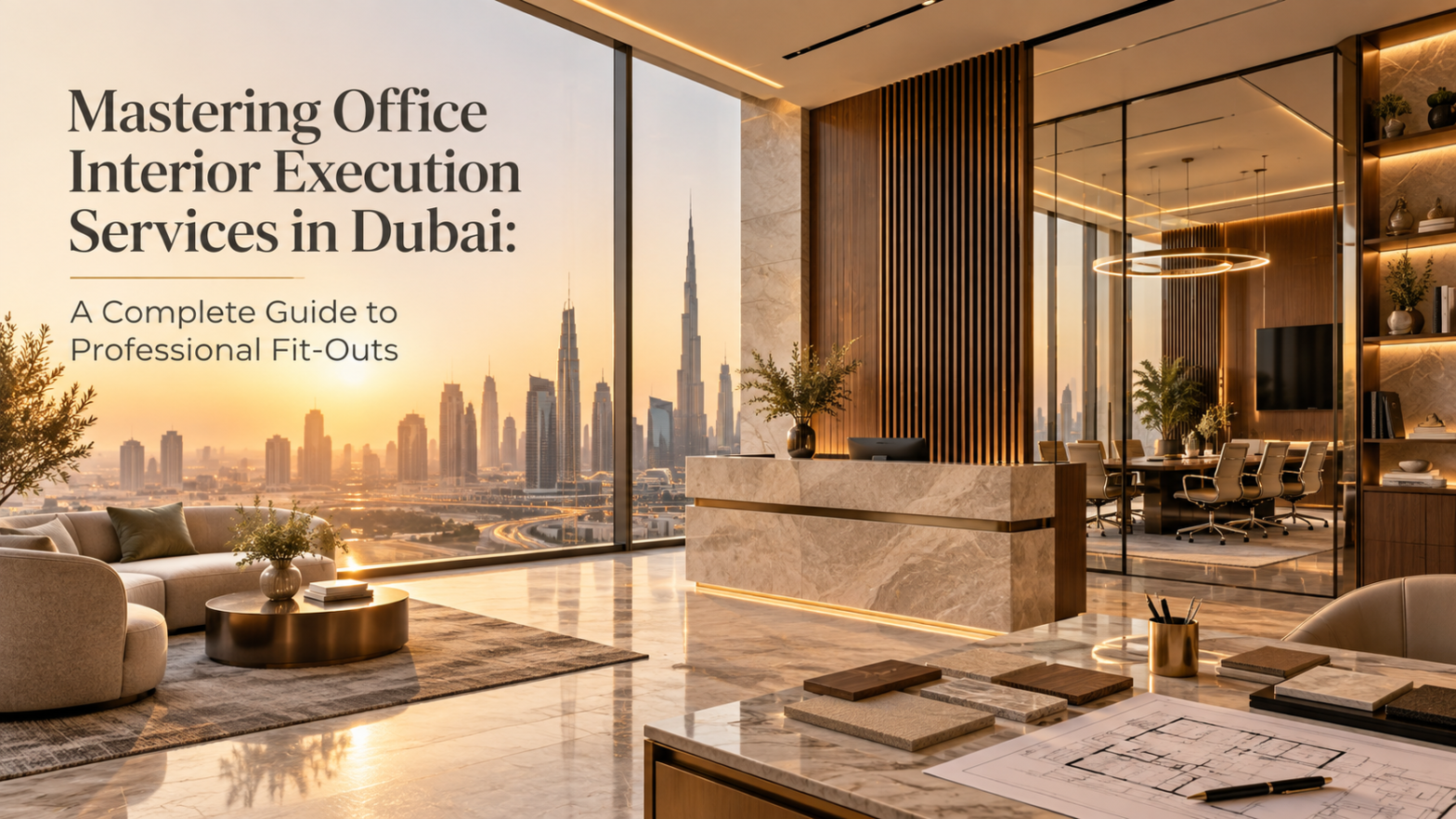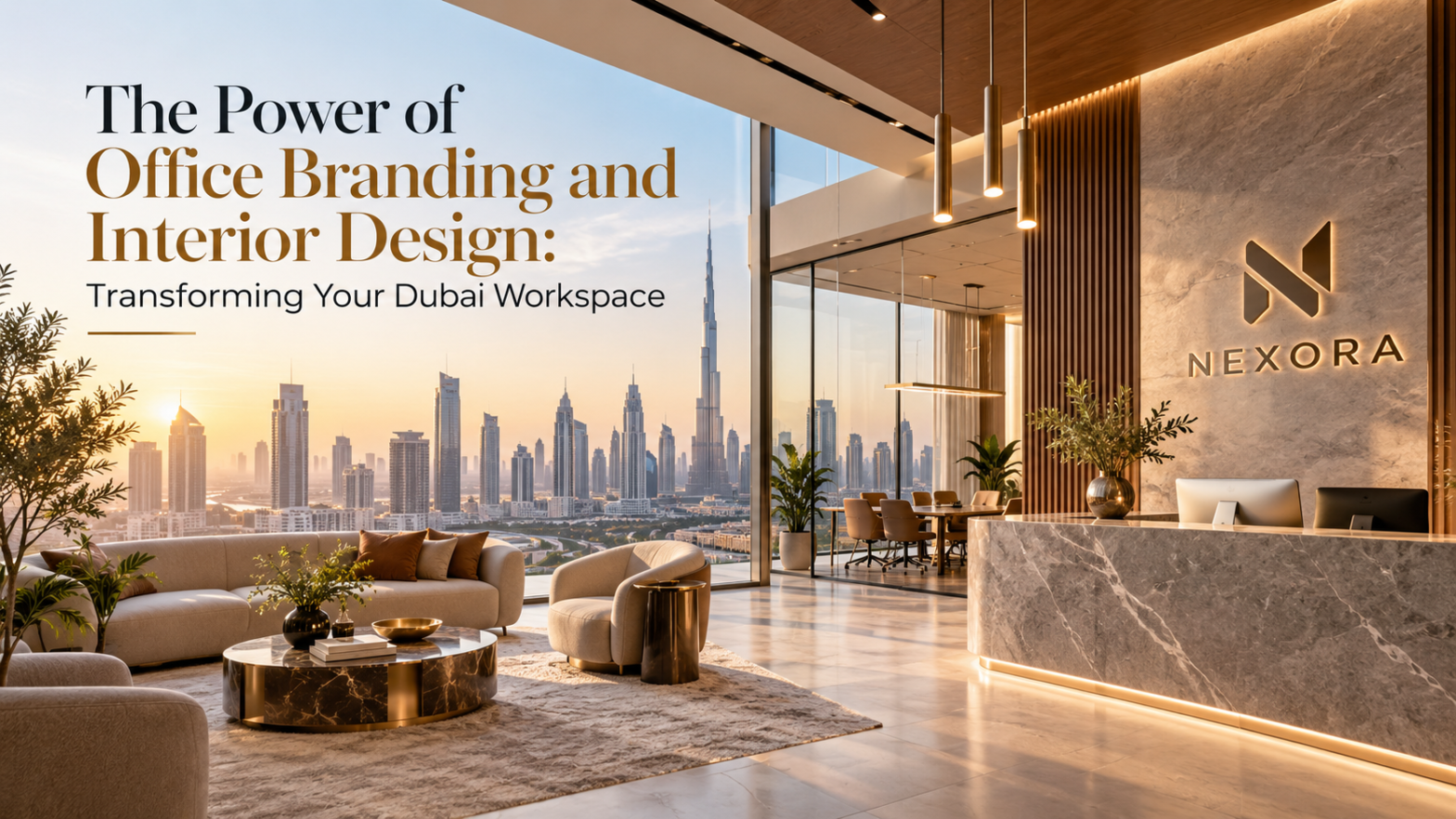
Effective office branding and interior design in Dubai combine your company’s core values with functional, aesthetic architecture to boost employee productivity and client trust. By integrating visual identity, ergonomic space planning, and local design trends, businesses create immersive environments that reinforce professional authority while fostering a high-performance culture in a competitive global market. In the vibrant, fast-paced business landscape of Dubai, an office is far more than just a place to sit and work. It is a physical manifestation of your corporate DNA. Whether you are a multinational corporation in the Dubai International Financial Centre (DIFC) or a creative startup in the Dubai Design District (d3), your workspace communicates your brand story before a single word is spoken. Today, forward-thinking companies are moving beyond standard cubicles and sterile white walls. They are embracing the synergy between office branding and interior design to create environments that inspire employees, impress stakeholders, and reflect the innovation synonymous with the UAE. The modern office must be a hybrid ecosystem that balances focus, collaboration, and social interaction. By aligning your physical space with your brand identity, you are not just decorating a room; you are investing in your biggest asset: your people. A well-designed office acts as a silent ambassador for your business, attracting top-tier talent and reinforcing your market position. This guide explores how to weave branding into the architectural fabric of your Dubai office, ensuring that your space is as functional as it is memorable. Why Office Branding is the Foundation of Modern Workspace Strategy Branding is often mistaken for simply placing a logo on a reception wall. However, true branding in interior design goes much deeper. It involves the strategic use of color, texture, lighting, and spatial flow to evoke the emotions associated with your brand. In a global hub like Dubai, where first impressions are critical, your office must convey reliability, sophistication, and forward-thinking vision. When employees walk into an office that feels like an extension of the brand, their sense of belonging increases. This alignment creates a cohesive experience that bridges the gap between digital marketing efforts and physical reality. When the environment matches the brand promises, it builds internal loyalty and external credibility. Visual Storytelling: Use your brand’s color palette to define different zones, creating a subconscious connection to company values. Cultural Relevance: Incorporate subtle nods to local heritage or international reach, depending on your brand identity. Consistency: Ensure that the design language in your physical office mirrors your website, brochures, and social media presence. The Role of Space Planning in High-Performance Offices Effective office branding and interior design starts with a deep understanding of how your team works. In Dubai, where commercial real estate is premium, maximizing every square foot is essential. Modern space planning is not just about fitting desks; it is about creating “activity-based” settings that support diverse work styles, from deep, focused tasks to brainstorming sessions. An open-plan office can be excellent for collaboration, but without proper acoustic design, it can lead to burnout. Conversely, too many private offices can stifle innovation. The best designs strike a balance, offering quiet pods for heads-down work and vibrant lounge areas for team interaction. This balance is a reflection of a brand that values both individual contribution and collective success. Zoning for Activity: Designate specific areas for quiet, collaboration, and socialization. Ergonomic Integration: Invest in high-quality furniture that supports employee health, demonstrating that your brand cares about human welfare. Flexibility: Use modular furniture that can be reconfigured as your team grows or project needs shift. Integrating Technology and Sustainability into Dubai Interiors Dubai is a global leader in sustainable architecture and smart city initiatives. For an office to be truly modern, it must integrate green design principles and cutting-edge technology. Sustainability is now a core pillar for many brands, and your office design should reflect this commitment through energy-efficient lighting, recycled materials, and smart climate control. Technology should be invisible yet omnipresent. From seamless video conferencing setups to automated lighting systems that adjust to natural daylight, the tech in your office should support productivity without adding clutter. This tech-forward approach reinforces the brand image of a company that is prepared for the future, a vital trait in the competitive UAE market. Smart Lighting: Utilize IoT-enabled systems that mimic natural circadian rhythms to improve employee well-being. Biophilic Design: Incorporate indoor plants and vertical gardens to improve air quality and reduce stress levels. Sustainable Materials: Choose locally sourced materials, such as stone or reclaimed wood, to reduce your carbon footprint and support the local economy. Crafting a Memorable First Impression: The Reception Area The reception area is your brand’s “front door.” It is the first point of contact for clients, partners, and potential hires. In Dubai’s luxury-focused business culture, this area needs to be impeccable. It should not only feature your logo but also provide a sensory experience that defines who you are as a company. Consider the materials used in your reception desk—is it cold, industrial metal, or warm, inviting timber? Does the lighting create a sense of mystery or transparency? Every detail in this space should act as a preview of the professional relationship a client can expect to have with your team. A well-branded reception area establishes immediate trust and authority. Lighting Design: Use accent lighting to highlight brand-specific textures or architectural features. Statement Furniture: Invest in a signature piece that serves as a conversation starter. Sensory Elements: Consider the use of subtle scenting or acoustic treatments to create a welcoming atmosphere. How to Choose the Right Interior Design Partner in Dubai Selecting the right firm to execute your office branding and interior design project is the most important decision you will make. You need a partner who understands the unique regulatory environment of the UAE, has experience with local contractors, and possesses a deep portfolio of commercial design. Look for a team that listens to your brand story rather than imposing a “one-size-fits-all” template. A reputable design firm will guide you through the entire process,… Continue reading The Power of Office Branding and Interior Design: Transforming Your Dubai Workspace

Hidden Container for Elementor Template
Add custom CSS for hiding and showing the mega menu on hover