
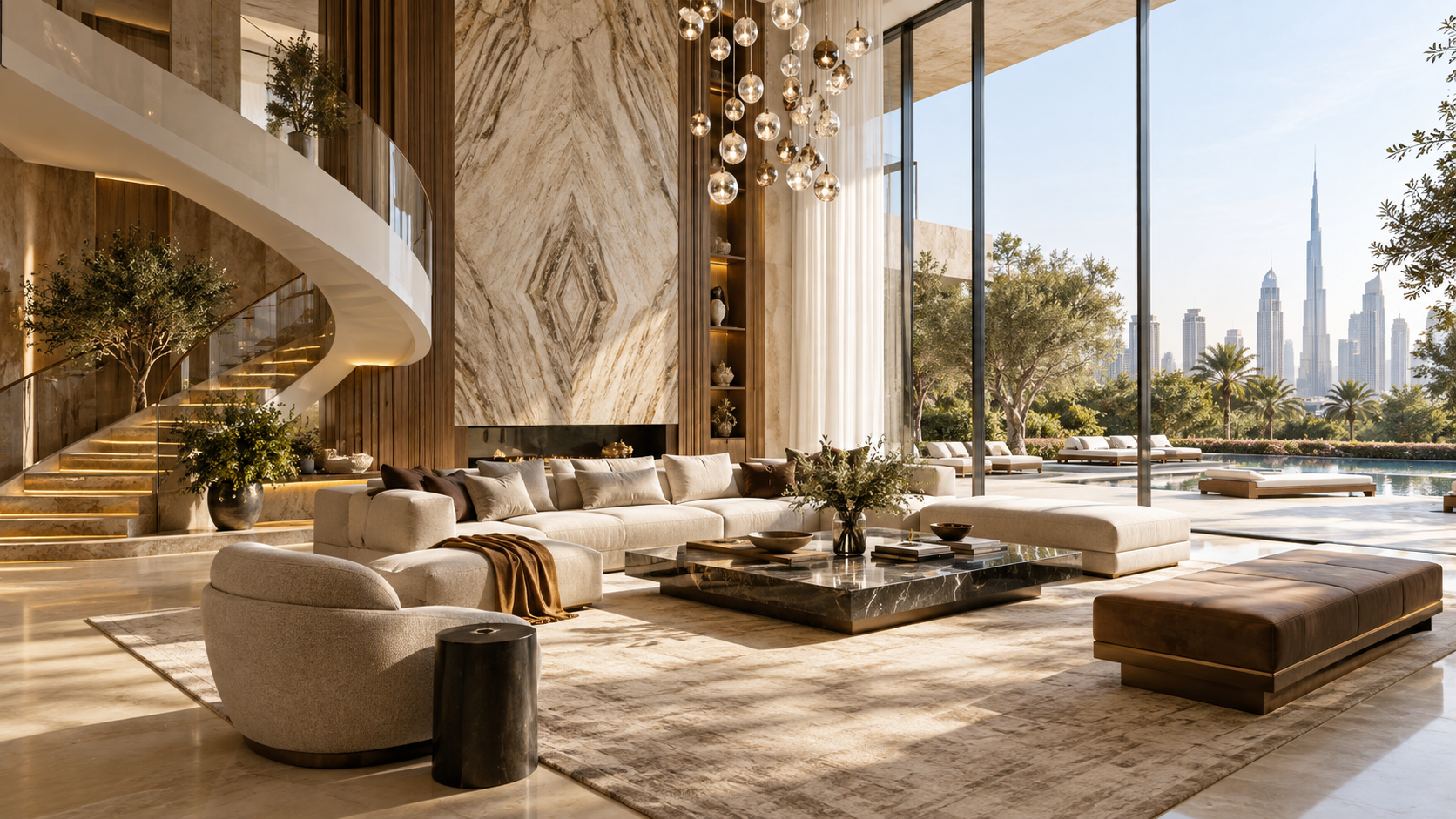
Villa interior design in Dubai focuses on blending opulent aesthetics with functional, climate-conscious layouts. To achieve a high-end look, prioritize high-quality materials like marble and brass, incorporate smart home technology, and maximize natural light. Successful designs balance contemporary sophistication with cultural heritage, creating bespoke living spaces that reflect the unique lifestyle and personality of the homeowner.
Dubai is a city defined by its architectural ambition and unwavering commitment to luxury. When it comes to villa interior design in Dubai, the expectations are exceptionally high. Homeowners in this region are not just looking for a place to live; they are looking for a personal sanctuary that mirrors the grandeur of the city outside their windows. Whether you are situated in the sprawling estates of Emirates Hills, the lush greenery of Jumeirah Golf Estates, or the coastal serenity of Palm Jumeirah, your interior design choices play a critical role in defining your quality of life.
Designing a villa in such a unique climate requires more than just an eye for beauty. It demands an understanding of light, airflow, and the specific material durability required to withstand the desert environment. From the initial space planning to the final selection of bespoke furniture, every decision should be guided by a balance between aesthetic appeal and practical functionality. In this guide, we will explore the essential elements of villa design, current trends, and the professional considerations that transform a standard villa into a world-class residence.
Understanding the Essence of Dubai Luxury Interiors
Luxury in the context of Dubai is often defined by spaciousness, premium materials, and seamless indoor-outdoor transitions. Unlike smaller urban apartments, villas offer a canvas for grand architectural statements, such as double-height ceilings, sweeping staircases, and expansive floor-to-ceiling windows. The goal is to create a cohesive narrative that flows from the grand entryway to the private bedrooms.
To capture the essence of high-end design, consider these foundational elements:
- Material Palette: Incorporate natural stone, such as Italian marble or travertine, to maintain a cool temperature and provide a timeless, elegant foundation.
- Spatial Flow: Open-plan layouts remain popular, but they should be defined by subtle transitions, such as changes in flooring patterns or decorative ceiling coves.
- Natural Light Management: Use sheer curtains and automated smart blinds to harness natural light while protecting interiors from the intense midday sun.
- Bespoke Detailing: Custom joinery, gold or brushed-brass accents, and artisanal lighting fixtures add a layer of exclusivity that off-the-shelf furniture cannot replicate.
The Role of Climate-Responsive Design
Dubai’s climate is a significant factor that influences every design decision. A villa that looks beautiful but feels uncomfortable is a failure in interior architecture. Professional designers in the UAE focus heavily on thermal efficiency and sustainable materials to ensure that the home remains a comfortable retreat throughout the year.
Incorporating climate-conscious strategies does not mean sacrificing style:
- Insulated Window Treatments: High-performance glazing and automated shading systems are essential to reduce solar heat gain without blocking the view.
- Cooling Materials: Opt for materials that do not retain heat, such as ceramic, stone, or high-quality porcelains, which feel cool underfoot even in summer.
- Indoor Greenery: Integrating biophilic design elements like vertical gardens or indoor courtyards helps regulate humidity and improves indoor air quality.
- Smart HVAC Integration: Modern villas should feature integrated climate control systems that can be adjusted remotely to ensure the home is perfectly cooled before you arrive.
Modern Trends in Villa Aesthetics
The design landscape in Dubai is constantly evolving. While traditional opulence was once the standard, many homeowners are now shifting toward a “Modern Minimalist” or “Contemporary Organic” aesthetic. This style emphasizes clean lines, neutral tones, and the use of textures to create warmth rather than relying on heavy ornamentation.
If you are looking to refresh your villa, consider these emerging trends:
- Neutral Monochromes: Soft beige, warm taupe, and creamy whites create a serene base that makes the space feel larger and more tranquil.
- Textural Depth: When the color palette is neutral, texture becomes the main event. Layer wool rugs, linen upholstery, and tactile wall treatments like Venetian plaster.
- Statement Lighting: Sculptural chandeliers are being used as the “jewelry” of the room, acting as focal points in dining areas and entry foyers.
- Curated Art: Large-scale, local, or Middle Eastern contemporary art is increasingly used to anchor rooms and provide a unique cultural identity to the home.
Maximizing Space and Functionality
Space planning is the invisible backbone of successful interior design. Even the largest villa can feel cluttered if the furniture scale is incorrect or if the traffic flow is obstructed. A professional approach involves analyzing how you use each room daily—whether you are hosting large gatherings or enjoying quiet family time.
Effective space planning tips include:
- Define Zones: In large open living rooms, use area rugs, lighting, and furniture placement to clearly define zones for conversation, reading, and entertaining.
- Custom Storage: Clutter is the enemy of luxury. Invest in floor-to-ceiling built-in cabinetry that blends seamlessly into the wall color to keep surfaces clear.
- Multi-functional Rooms: As remote work becomes more common, integrate hidden home offices into guest bedrooms or quiet nooks to maintain a professional yet homey environment.
- The “Transition” Space: Don’t neglect hallways and foyers. These areas set the mood for the rest of the house and should reflect the design language of the main rooms.
The Importance of Smart Technology Integration
In a modern Dubai villa, technology should be invisible yet omnipresent. Smart home automation is no longer a luxury; it is a standard expectation for high-end residential living. The integration of technology should be planned during the early stages of interior design to avoid visible wires and clunky hardware.
Key areas for tech integration include:
- Lighting Scenarios: Program “scenes” that adjust lighting levels based on the time of day, whether you are hosting a dinner party or relaxing in the evening.
- Security and Access: Seamlessly integrate smart locks, cameras, and alarm systems into the home’s design through concealed panels.
- Audio-Visual Systems: Hide speakers within ceilings or walls and use motorized mounts for televisions so they don’t dominate the aesthetic of your living space.
- Energy Monitoring: Smart systems can track energy usage, helping you optimize your AC and lighting usage for a more sustainable household.
Collaborating with Professional Interior Designers
While DIY projects can be rewarding for small updates, a full villa renovation or new-build project requires the expertise of a professional interior design firm. A designer brings a network of reliable contractors, access to exclusive luxury furniture brands, and the technical knowledge to manage complex installations.
When choosing a design partner in Dubai, look for:
- Portfolio Diversity: Ensure they have experience with the specific style you are aiming for, whether it’s ultra-modern, classic European, or fusion-style.
- Project Management Capability: A great designer is also a great project manager who can handle timelines, budgets, and contractor coordination effectively.
- Communication Style: You will be working closely with your designer for months; ensure your communication styles align and that they listen to your specific needs.
- Local Knowledge: A firm familiar with the nuances of Dubai’s building codes and supply chain will save you significant time and stress during the execution phase.
Ultimately, your villa should be a reflection of your lifestyle and aspirations. Whether you prefer the understated elegance of contemporary minimalism or the rich textures of modern luxury, the right design choices will enhance your property value and your daily enjoyment. By focusing on quality materials, smart planning, and professional collaboration, you can create a home that stands the test of time in the vibrant landscape of Dubai. If you are ready to transform your residence, our team of experts is here to guide you through the process, ensuring your vision comes to life with precision and flair.
What is the most popular interior design style for villas in Dubai?
Modern luxury and contemporary minimalism are currently the most popular styles. Homeowners are increasingly opting for neutral color palettes, organic textures, and clean architectural lines that emphasize comfort and sophistication.
How long does a full villa interior design project take?
A comprehensive project, including design development, procurement, and execution, typically takes between 6 to 12 months. This timeline depends on the scale of the renovation and the availability of bespoke furniture and materials.
Why is lighting so important in villa design?
Lighting is crucial for setting the mood and highlighting architectural features. In Dubai, where we have abundant natural light, the challenge is balancing natural sunlight with artificial layered lighting to ensure the home remains cozy at night.
How can I make my villa feel more spacious?
Use large-format floor tiles, floor-to-ceiling mirrors, and a cohesive color palette throughout the home to create a sense of continuity. Removing unnecessary partitions and choosing furniture with exposed legs can also help open up a room.
Should I invest in custom-made furniture?
Yes, custom furniture is highly recommended for villas in Dubai. It ensures that every piece fits the dimensions of your room perfectly and allows you to select unique fabrics and finishes that align with your personal aesthetic.
Is it necessary to hire an interior designer for a villa?
While not mandatory, hiring a professional saves time, prevents costly mistakes, and provides access to exclusive vendors. They offer the technical expertise required to manage complex installations, from smart home systems to bespoke joinery.

Creative Shelf LLC: Redefining Interior Design Excellence in Dubai
Since its inception in 2007, Creative Shelf LLC, co-founded by Mr. Huzefa Altaf, has been a cornerstone of Dubai’s interior design and fit-out industry. Renowned for crafting smart, functional, and visually stunning spaces, Creative Shelf delivers bespoke solutions for residential, commercial, retail, hospitality, exhibition, and industrial projects. Under Mr. Huzefa Altaf’s visionary leadership, the company—part of the Creative Group of Companies, including Creative Furniture and Creative Interior Company—leverages an in-house execution model to ensure seamless project delivery, from innovative design to precision fit-out.
With nearly two decades of expertise, Creative Shelf transforms spaces, focusing on sustainability, user-centric design, and measurable ROI through strategic brand integration. Their diverse portfolio, from luxurious villas to dynamic office spaces, showcases their mastery in blending aesthetics with functionality, earning them a reputation as a trusted authority in the UAE.
Creative Shelf’s thought leadership is evident in their blog, which offers expert insights on design trends and practical solutions, empowering clients and enthusiasts alike. Committed to excellence, innovation, and quality, Creative Shelf LLC continues to set the standard for interior design and fit-out services in Dubai, creating spaces that inspire and endure.