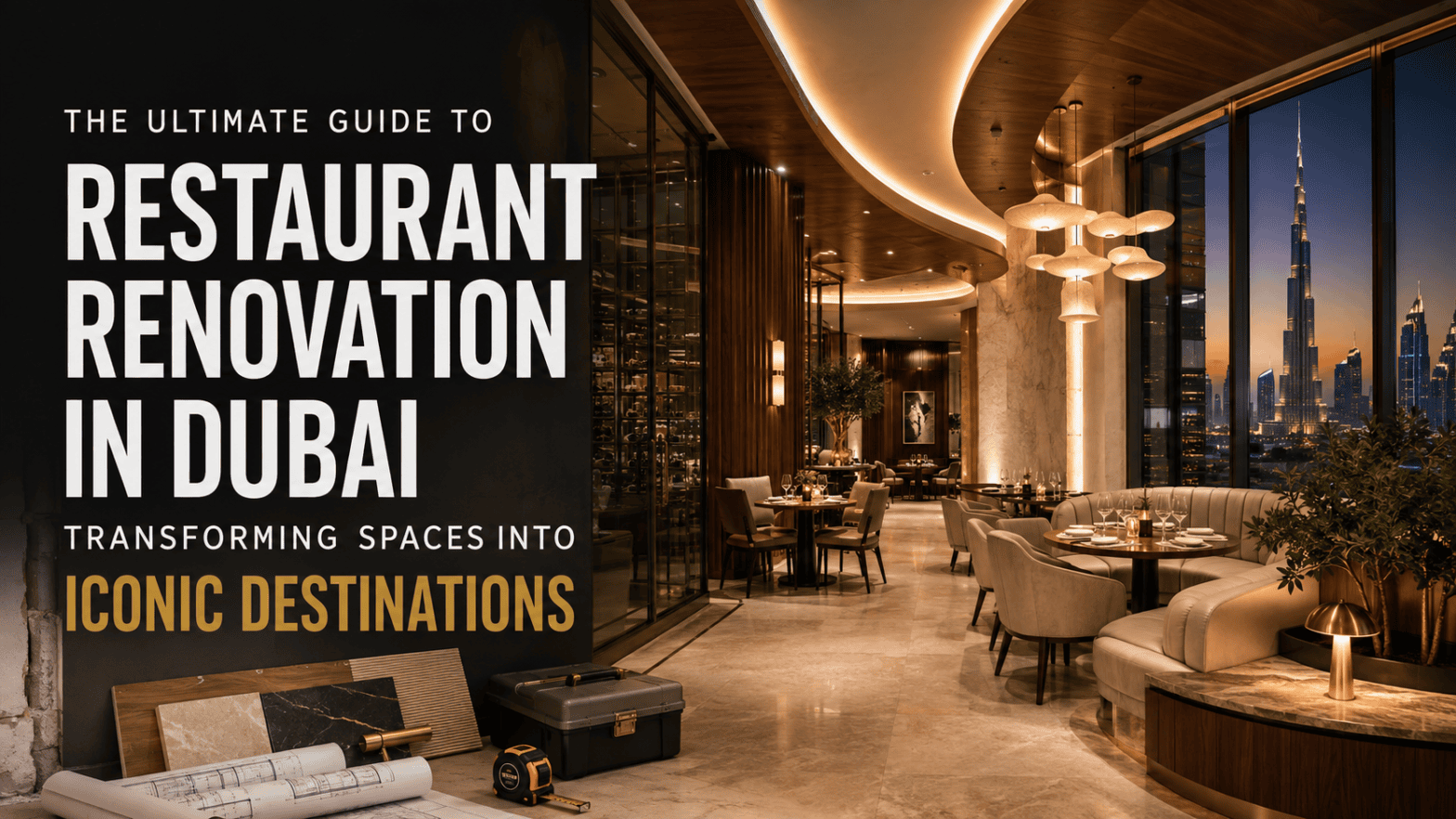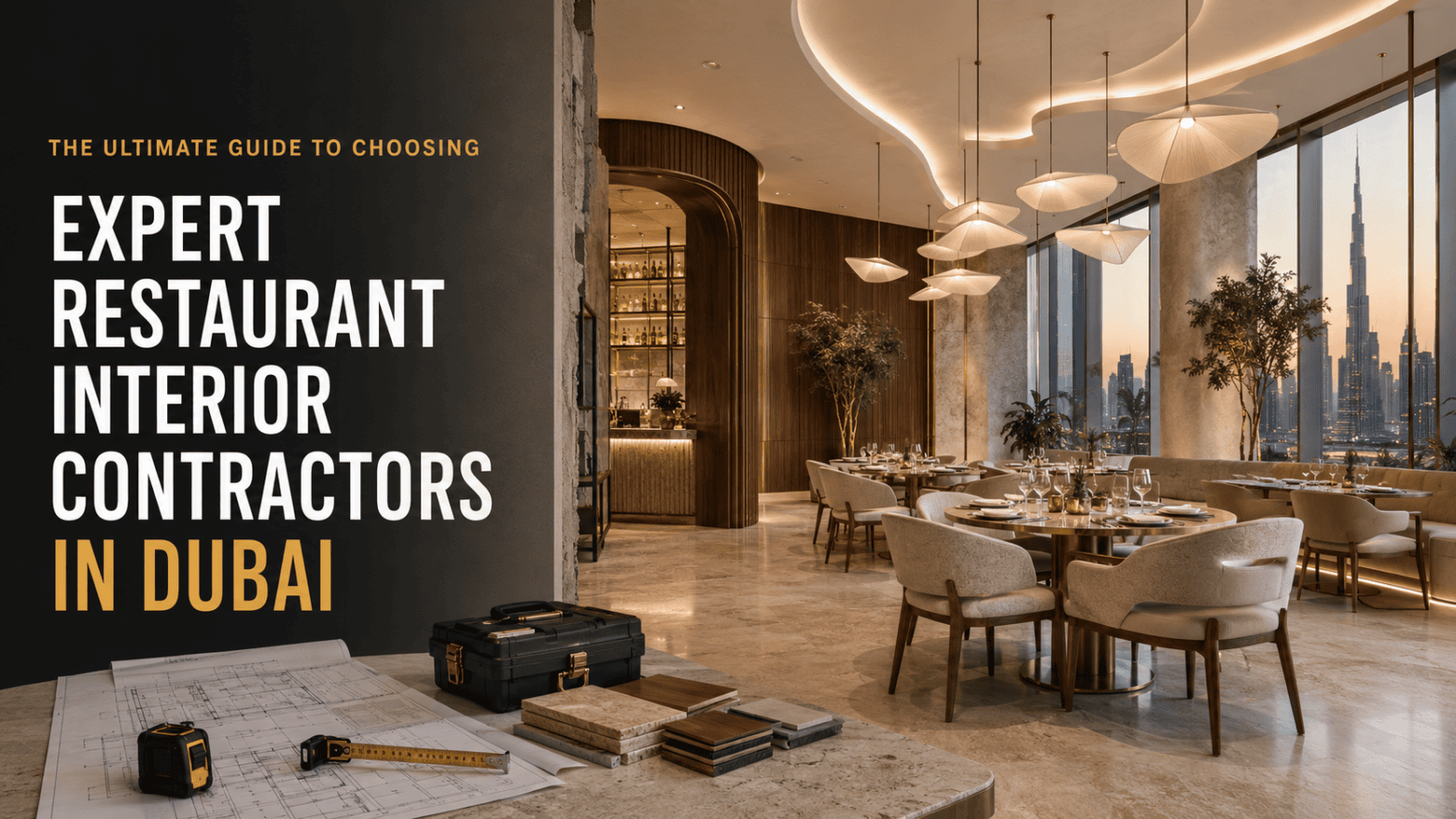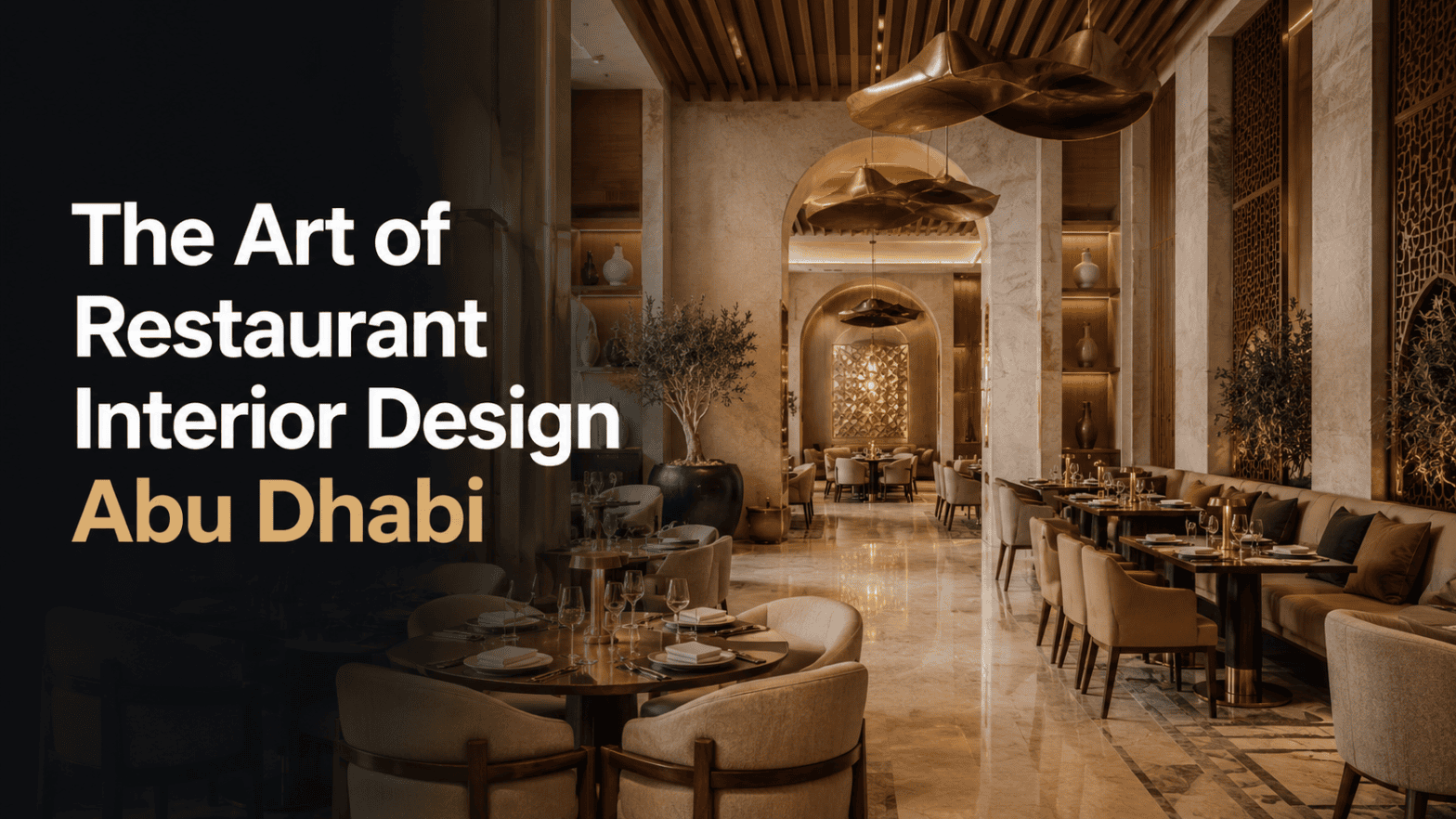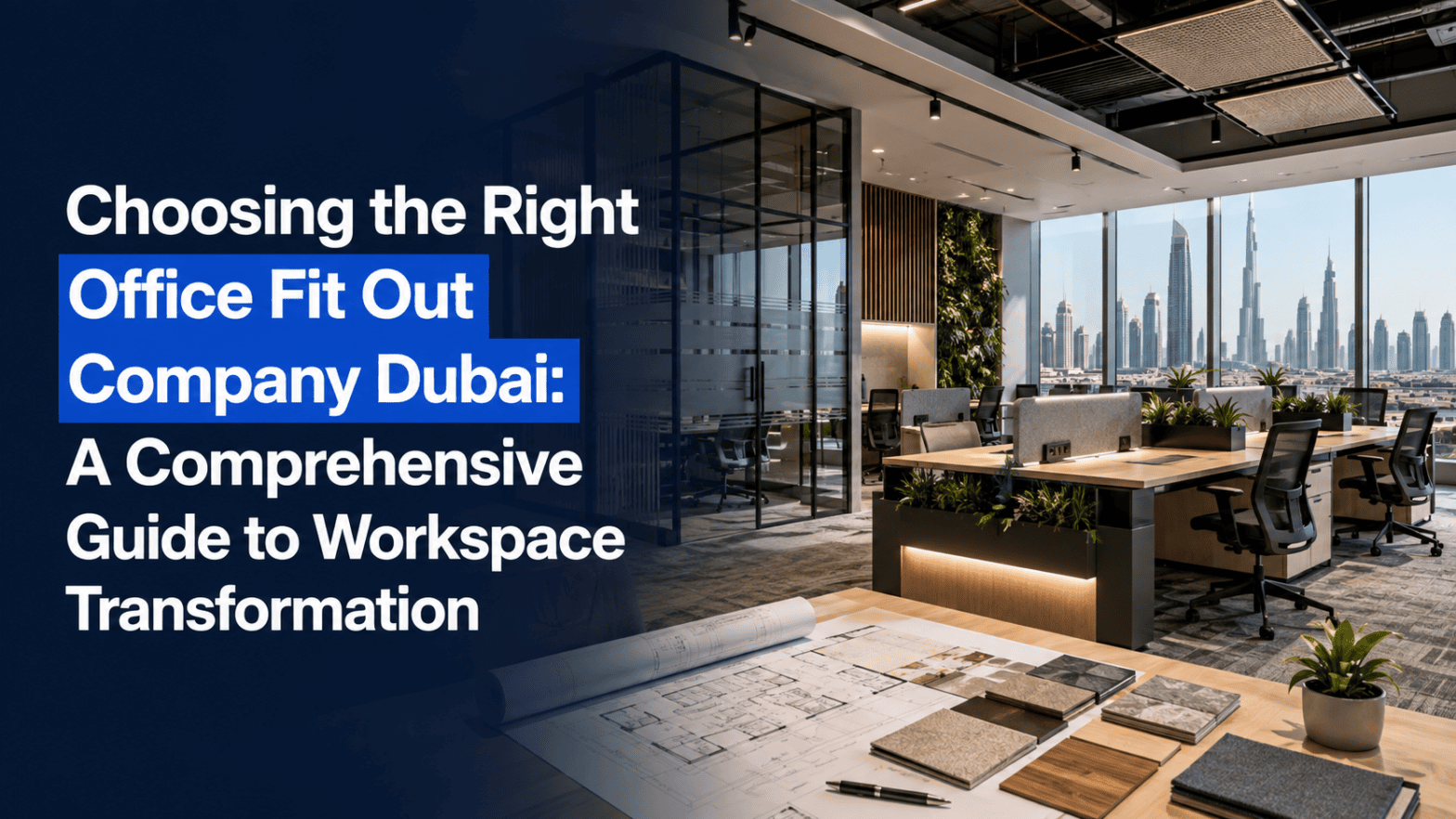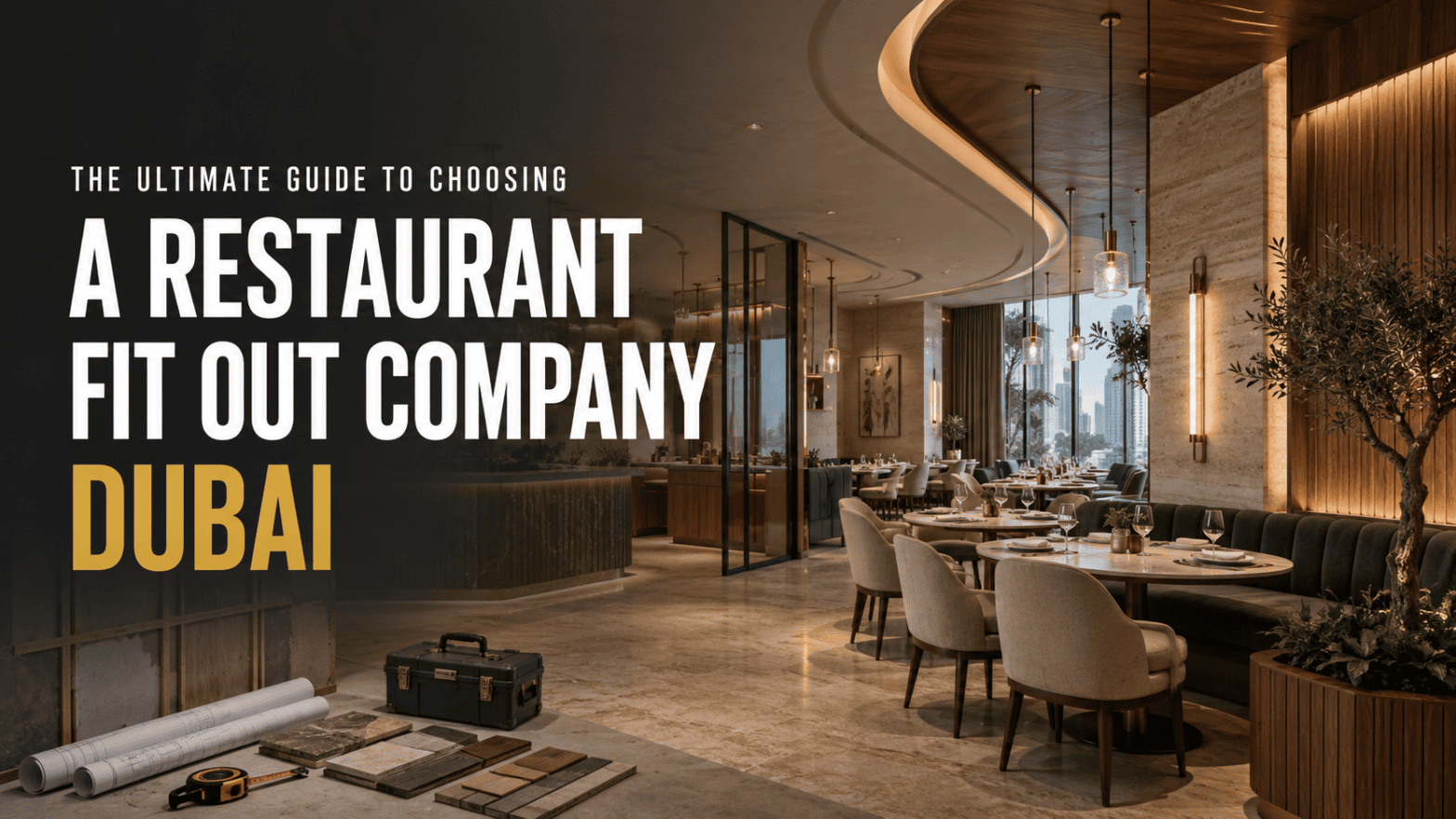
A professional restaurant fit out company Dubai specializes in transforming raw commercial spaces into functional, high-end dining environments. By managing everything from MEP engineering and interior styling to licensing and bespoke joinery, these experts ensure your restaurant complies with UAE safety standards while maximizing guest comfort, operational efficiency, and brand identity. Dubai is a city defined by its world-class culinary scene. From the bustling streets of Al Quoz to the high-end luxury corridors of DIFC and Downtown, the competition for diners is fierce. If you are planning to open a new eatery or renovate an existing space, the quality of your interior environment is just as important as the quality of your food. A restaurant is not just a place to eat; it is an experience that begins the moment a customer steps through your doors. Selecting the right restaurant fit out company Dubai is the most critical decision you will make during your pre-opening phase. A professional fit out partner acts as the bridge between your creative vision and the practical realities of construction, local building codes, and operational flow. In a fast-paced market like the UAE, you need a team that understands the nuances of commercial interiors, high-traffic durability, and the specific aesthetic trends that resonate with the cosmopolitan Dubai audience. This guide explores exactly what you should look for and how to ensure your project is a resounding success. Why Your Choice of Fit Out Partner Defines Your Business Success The interior design of a restaurant is a silent salesperson. It sets the mood, dictates how long a customer stays, and influences how much they are willing to spend. A poorly planned layout can ruin the efficiency of your kitchen staff, while a lack of attention to acoustic design can make an otherwise beautiful room feel chaotic and uncomfortable. When you hire a specialized restaurant fit out company Dubai, you are paying for more than just drywall and paint. You are investing in years of experience in space planning and regulatory navigation. These companies understand that a café in Jumeirah requires a vastly different approach compared to a fine-dining establishment on the Palm Jumeirah. They bring expertise that prevents costly mistakes, such as poor lighting placement, inadequate ventilation, or non-compliant fire exits. Regulatory Compliance: Navigating Dubai Municipality and Civil Defence regulations is complex. Experienced contractors handle these approvals seamlessly. Operational Workflow: They design the “back-of-house” to ensure servers and chefs can move efficiently, reducing ticket times. Brand Longevity: Using high-quality, durable materials that withstand the intense climate and high-traffic usage of Dubai’s dining sector. The Importance of Specialized Commercial Interior Design Not every interior design firm is equipped for the unique challenges of hospitality. Residential design focuses on comfort and personal taste, while commercial design must balance aesthetics with intense durability and safety. A restaurant fit out involves complex MEP (Mechanical, Electrical, and Plumbing) requirements that must be integrated flawlessly into the design. For instance, the kitchen exhaust systems, grease traps, and commercial-grade HVAC systems are non-negotiable elements that must be hidden from view while remaining accessible for maintenance. A specialized restaurant fit out company Dubai knows how to balance these technical requirements with the “wow factor” of your interior styling. They ensure your aesthetic vision doesn’t compromise the functionality of the space. Furthermore, these experts understand the psychology of lighting and textures. In the UAE, where outdoor dining is seasonal and indoor dining is year-round, the interior must feel expansive yet intimate. They use lighting layers to shift the mood from a bright, energetic lunch setting to a sultry, sophisticated dinner atmosphere, ensuring your space remains profitable throughout the entire day. Navigating the Dubai Regulatory Landscape One of the biggest hurdles for any restaurateur in the UAE is the permitting process. Dubai has some of the strictest and most efficient building regulations in the world. Attempting to manage the fit out process without an experienced partner can lead to significant delays, fines, or even the rejection of your trade license. A reputable restaurant fit out company Dubai will have a dedicated team that understands the requirements of the Dubai Municipality, Dubai Civil Defence, and the Department of Tourism and Commerce Marketing (DTCM). They ensure that your floor plans are approved on the first attempt and that all materials used—especially fabrics and wall coverings—meet the necessary fire safety standards. Civil Defence Approvals: Strict adherence to fire suppression systems and emergency egress requirements. MEP Certification: Ensuring all kitchen equipment and electrical loads are properly documented and safe. Fit Out Permits: Handling the coordination between the mall management (if applicable) and government bodies. The Role of Bespoke Joinery and Custom Furniture In a city as competitive as Dubai, cookie-cutter furniture simply won’t suffice. Customers are looking for unique, Instagrammable moments. Bespoke joinery is the secret weapon of the best restaurant interiors. Custom-built bars, feature walls, and tailored banquette seating can turn a standard square room into a branded masterpiece. When you work with a top-tier restaurant fit out company Dubai, you often gain access to in-house joinery workshops. This allows for precise control over the finish, color, and ergonomic comfort of your furniture. Instead of choosing from a catalog, you can create pieces that fit the exact dimensions of your space, maximizing seating capacity without sacrificing comfort. Custom furniture also allows for better integration of technology. Think hidden charging ports in booths, integrated lighting in bar fronts, or modular furniture that can be reconfigured for private events. This level of detail is what separates a standard eatery from a destination venue. Budgeting for Your Restaurant Fit Out Budgeting for a fit out can be daunting. Costs in Dubai can vary wildly depending on the quality of finishes, the complexity of the MEP work, and the brand reputation of the design firm. However, the most successful projects are those where the budget is managed through transparency and phased planning. A professional restaurant fit out company Dubai will provide a detailed Bill of Quantities (BOQ). This document is essential because… Continue reading The Ultimate Guide to Choosing a Restaurant Fit Out Company Dubai

Hidden Container for Elementor Template
Add custom CSS for hiding and showing the mega menu on hover