Hidden Container for Elementor Template Add custom CSS for hiding and showing the mega menu on hover

Transforming Your Living Space: The Ultimate Guide to Villa Renovation Dubai

A successful villa renovation Dubai project requires a strategic blend of architectural planning, interior styling, and adherence to local building regulations. By focusing on high-quality materials, maximizing natural light, and integrating smart home technology, homeowners can significantly increase their property value while creating a bespoke living environment tailored to the unique lifestyle of the UAE. Embarking on a villa renovation in Dubai is an exciting journey that transforms a house into a bespoke sanctuary. Whether you are looking to modernize a dated structure, expand your floor plan to accommodate a growing family, or completely redesign your interiors to reflect contemporary luxury, the process requires careful preparation. Dubai’s unique climate and architectural landscape present both opportunities and challenges that demand an experienced approach to space planning and material selection. As the city continues to evolve, so do the trends in home design. Today’s luxury interiors in Dubai are moving away from overly ornate styles toward a more refined, minimalist aesthetic that emphasizes comfort and functionality. This guide will walk you through the essential stages of a high-end renovation, from the initial consultation and permit acquisition to the final styling touches that turn a renovation project into a masterpiece of modern home design. Understanding the Villa Renovation Dubai Process The first step in any major home improvement project is understanding the regulatory framework. Dubai has specific building codes and community guidelines that must be followed. Whether you live in a master-planned community like Palm Jumeirah or a private villa in Jumeirah, getting the necessary approvals from developers and the Dubai Municipality is non-negotiable. Working with professional interior designers and contractors who are familiar with local regulations can save you significant time and stress. They handle the bureaucracy while you focus on the creative vision. A well-planned renovation should always begin with a detailed scope of work that outlines your goals, budget, and timeline. Consult with an interior design firm to establish a realistic budget and design style. Obtain all necessary NOCs (No Objection Certificates) from your community developer. Finalize structural changes and MEP (Mechanical, Electrical, and Plumbing) plans before starting demolition. Create a comprehensive project schedule to minimize disruption to your daily life. Maximizing Space and Light in Dubai Villas One of the most common goals for a villa renovation Dubai project is to improve the flow and brightness of the interior. Many older villas feature compartmentalized layouts that can feel dark and restrictive. By removing non-structural walls and opening up the floor plan, you can create a seamless transition between the living, dining, and kitchen areas. Natural light is a luxury in Dubai, and the best renovations capitalize on this. Utilizing floor-to-ceiling windows, strategically placed skylights, and light-reflecting surfaces can make a significant difference. Consider using glass partitions instead of solid walls to maintain privacy while allowing light to penetrate deeper into the center of the home. Install large-format windows to blur the lines between indoor and outdoor living spaces. Use a light, neutral color palette to make rooms feel more expansive and airy. Integrate reflective surfaces like mirrors or high-gloss cabinetry to bounce light around the room. Optimize furniture placement to ensure natural walking paths and clear sightlines through the home. Choosing Sustainable and Climate-Appropriate Materials The climate in the UAE is a critical factor when selecting materials for your villa renovation. High temperatures and humidity levels mean that your choices must be durable and energy-efficient. Investing in high-quality materials not only ensures longevity but also improves the overall thermal performance of your home, leading to lower cooling costs. Natural stone, such as marble or travertine, remains a staple in luxury interiors, but consider alternatives like high-end porcelain tiles that mimic stone for better heat resistance and lower maintenance. For outdoor areas, choose UV-resistant materials and furniture that can withstand intense sun exposure without fading or warping. Select high-performance glazing for windows to keep heat out and air conditioning efficiency high. Use natural stone or high-quality porcelain flooring to keep the home cool underfoot. Opt for sustainable, locally sourced materials where possible to reduce your project’s carbon footprint. Prioritize low-VOC paints and finishes to ensure a healthy indoor air quality for your family. Integrating Smart Home Technology Modern home design is incomplete without the integration of smart technology. In a villa renovation Dubai project, this is the perfect time to hardwire your home for the future. Smart systems allow you to control lighting, climate, security, and entertainment with a single touch or voice command, providing unparalleled convenience and security. Imagine being able to adjust your home’s temperature before you arrive, or setting the mood with automated lighting scenes. Smart home automation is not just about luxury; it is about efficiency. Automated blinds, for example, can be programmed to close during the hottest hours of the day, significantly reducing the load on your HVAC system. Install smart thermostats that learn your cooling preferences and adjust usage accordingly. Integrate automated lighting systems that dim or turn off when rooms are unoccupied. Upgrade your home security with integrated camera systems and smart locks accessible via your smartphone. Ensure your home is pre-wired for high-speed internet in every room for seamless connectivity. Kitchen and Bathroom Upgrades: The Heart of the Home Kitchens and bathrooms are the most valuable areas to renovate. They are the spaces that potential buyers look at first, and they have the biggest impact on your daily quality of life. In modern villa design, the kitchen is often the social hub of the home, requiring a balance of professional-grade appliances and comfortable, stylish seating areas. For bathrooms, think of a spa-like retreat. Freestanding bathtubs, rainfall showers, and double vanities are popular choices that add a touch of sophistication. High-end finishes, such as brushed gold or matte black hardware, can turn a standard bathroom into a high-end luxury sanctuary. Incorporate a kitchen island with seating to create a social space for cooking and entertaining. Use hidden storage solutions to keep countertops clear and maintain a minimalist look. Install dual-sink vanities and

Read More »

Elevating Your Living Space: How to Choose Luxury Villa Designers in Dubai

Choosing the right luxury villa designers in Dubai requires evaluating their portfolio for architectural innovation, deep local expertise in UAE climate-responsive design, and a proven track record of managing bespoke projects. Top-tier designers blend opulent aesthetics with functional space planning, ensuring your home reflects both international sophistication and the unique lifestyle demands of Dubai living. Dubai is synonymous with architectural ambition, where the horizon is constantly redefined by visionary projects and breathtaking skylines. For homeowners living in this vibrant metropolis, a villa is more than just a residence; it is a personal sanctuary, a statement of success, and a canvas for sophisticated living. However, transforming a sprawling villa into a cohesive, high-end living environment is a complex undertaking that requires more than just a keen eye for aesthetics. It demands a deep understanding of structural engineering, climate-specific materials, and the nuances of bespoke interior styling. When you seek out luxury villa designers in Dubai, you are not merely hiring a decorator. You are partnering with experts who understand the delicate balance between form and function. Whether you are looking to revitalize a classic Palm Jumeirah property, design a contemporary masterpiece in Emirates Hills, or craft an eco-conscious retreat in the desert outskirts, the right professional team acts as the bridge between your vision and reality. In this guide, we explore the essential elements of luxury villa design, the importance of local expertise, and how to select a partner who can elevate your home to world-class standards. The Essence of Luxury Villa Design in Dubai Luxury interior design in Dubai is defined by a unique fusion of global trends and regional heritage. Today’s most sought-after villas move away from purely ornamental styles toward a more refined, “quiet luxury” aesthetic. This involves the use of high-quality natural stone, bespoke joinery, and a curated color palette that enhances the natural light characteristic of the Middle Eastern sun. Designers must balance the desire for open-plan living with the need for privacy, a hallmark of traditional villa culture. Creating luxury in this context means selecting materials that can withstand the intense heat while maintaining a tactile, inviting atmosphere. It is about the layering of textures—think Italian marble floors paired with soft, textured wall coverings and custom-made furniture that fits the exact proportions of your room. Spatial Flow: Seamless transitions between indoor and outdoor living areas to maximize the Dubai lifestyle. Material Integrity: Using climate-resilient materials like basalt, travertine, and high-performance glass. Bespoke Craftsmanship: Custom furniture design that ensures every piece is one-of-a-kind. Lighting Design: Layered lighting schemes that shift from bright, functional daylight to warm, ambient evening moods. Why Local Expertise Matters in Architectural Projects One of the most critical factors when selecting a design firm is their specific experience within the UAE market. Dubai has its own set of regulatory requirements, building codes, and logistical challenges that can surprise international firms without a local presence. A seasoned luxury villa designer in Dubai will have an established network of high-end contractors, artisanal suppliers, and project managers who understand the local pace of work. Furthermore, the climate in Dubai is a major design driver. A design that works in London or New York may fail under the intense UV exposure and humidity of the UAE. Experts in this region know how to specify energy-efficient glazing, integrate advanced HVAC systems that don’t compromise aesthetic appeal, and choose textiles that won’t fade or degrade under extreme heat. Permitting Knowledge: Deep familiarity with Dubai Municipality and community-specific developer guidelines. Supply Chain Access: Direct relationships with European, Asian, and local suppliers for exclusive finishes and furniture. Climate-Adaptive Design: Strategic orientation of windows to reduce solar gain while maintaining views. Cultural Competency: Designing spaces that respect local privacy norms while embracing modern, international living standards. The Role of Technology in Modern Villa Interiors Today, a luxury villa is only as good as its “intelligence.” Technology has become an invisible but essential pillar of modern home design. From integrated smart home systems that control climate, security, and lighting to automated shading solutions that react to the position of the sun, technology should be woven into the fabric of the home without being intrusive. A professional design team will coordinate with smart home engineers early in the process. This ensures that wall panels, sensors, and hardware are placed discreetly, often concealed within custom millwork or recessed into walls. The goal is to provide the homeowner with total control over their environment through a single interface, making the home an effortless extension of their lifestyle. Integrated Home Automation: Centralized control of lighting, sound, and climate through mobile devices or voice commands. Hidden Technology: Concealing speakers, televisions, and security hardware for a clean, minimalist look. Energy Management: Smart glass and automated blinds that optimize energy consumption based on the time of day. Curating a Signature Style: The Consultation Process The journey with a luxury design firm usually begins with a deep-dive consultation. This is not just about choosing paint colors; it is about lifestyle mapping. Your designer should ask how you use your kitchen, whether you host large formal gatherings or prefer intimate family evenings, and how you want your home to make you feel at the end of a long day. This phase is where the “luxury” is truly defined. By understanding your personal narrative, designers can curate art, furniture, and architectural details that feel authentic to you. They act as curators, filtering out the noise of fast-moving trends to focus on timeless pieces that will appreciate in value and remain stylish for decades to come. Lifestyle Analysis: Understanding your daily routines to ensure functional space planning. Mood Board Development: Visualizing the aesthetic direction through curated materials, textures, and color palettes. Budget Management: Transparent cost planning that prioritizes investment in high-impact areas. Personal Curation: Sourcing unique art and bespoke furniture pieces that reflect your individual identity. Sustainable Luxury: A Growing Trend in Dubai Sustainability is no longer a niche preference; it is a core component of modern luxury. In Dubai, this means creating

Read More »
Blog
Creative Shelf

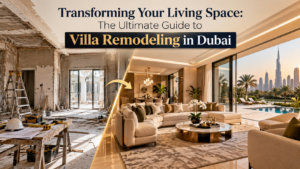
Transforming Your Living Space: The Ultimate Guide to Villa Remodeling in Dubai

Villa remodeling in Dubai requires a strategic blend of luxury aesthetics, climate-responsive design, and strict adherence to local building regulations. By focusing on high-quality materials, maximizing natural light, and integrating smart home technology, homeowners can significantly increase their property value while creating a bespoke living environment tailored to the unique demands of the UAE climate. Dubai is a city synonymous with architectural innovation and luxury living. Whether you own a sprawling villa in Palm Jumeirah or a classic family home in Jumeirah Park, the decision to renovate is often driven by a desire to modernize, increase functional space, or simply refresh the aesthetic to match evolving personal tastes. However, villa remodeling in Dubai is a complex undertaking that requires more than just an eye for design; it demands a deep understanding of the local landscape, climate-specific materials, and the regulatory framework set by developers and government authorities. For many homeowners, the goal is to bridge the gap between traditional villa structures and contemporary interior styling. As modern home design trends shift toward open-concept living and sustainable luxury, your home should be a reflection of both global sophistication and regional comfort. This guide explores the essential pillars of a successful renovation project, helping you navigate the journey from the initial concept phase to the final finishing touches. By planning carefully and partnering with the right experts, you can ensure your villa project is not just a renovation, but a transformative investment. Why Is Strategic Space Planning Vital for Dubai Villas? In the context of luxury interiors, space planning is the foundation of every successful renovation. Many villas in Dubai were constructed with a compartmentalized approach that prioritizes separate rooms, which can often feel restrictive compared to modern open-plan living. Reimagining your floor plan is the most effective way to improve the flow and utility of your home. When working with professional interior designers, the goal is to create a seamless transition between indoor and outdoor spaces—a hallmark of high-end Dubai living. By removing non-structural walls and utilizing smart storage solutions, you can make even the most modest villa feel expansive and airy. Consider these key elements when planning your layout: Flow and Circulation: Ensure that high-traffic areas, such as the transition between the kitchen and the living room, remain unobstructed to facilitate easy movement. Zoning for Functionality: Use furniture placement, rugs, and strategic lighting to define different areas within an open plan, ensuring that a large living room still feels cozy and intentional. Outdoor Integration: Maximize views of your garden or pool by installing floor-to-ceiling glass sliding doors, which blur the lines between your interior decor and the exterior landscape. Multi-Purpose Rooms: With the rise of remote work, consider how a guest bedroom or formal dining area can double as a home office without sacrificing style. How to Choose Materials That Withstand the UAE Climate The Dubai climate is famously harsh, characterized by extreme heat, intense UV exposure, and periodic sandstorms. Selecting the wrong materials during a villa renovation can lead to rapid deterioration, costly maintenance, and frustration. When selecting finishes, durability must be weighed equally with aesthetic appeal. For exterior renovations, it is crucial to invest in high-performance materials that resist fading and thermal expansion. For interiors, the focus shifts toward materials that help regulate indoor temperatures and provide a cooling tactile experience. Here are some expert-recommended material choices for the region: Natural Stone: Materials like marble, travertine, and limestone are excellent for flooring because they remain cool to the touch and offer a timeless, luxury aesthetic. Performance Fabrics: If your villa has large windows, ensure your upholstery fabrics are UV-resistant to prevent bleaching and fading from the intense desert sun. Energy-Efficient Glass: Double or triple-glazed windows with low-emissivity (Low-E) coatings are essential to keep heat gain at bay and reduce your AC consumption. Engineered Wood: While solid wood is beautiful, engineered hardwood is often more stable in Dubai’s humidity fluctuations, making it less prone to warping or cracking. Integrating Smart Technology for Modern Luxury A modern villa renovation in Dubai is incomplete without the integration of smart home systems. Technology has moved beyond simple light switches; today, it is about creating a home that responds to your lifestyle needs automatically. Integrating these systems requires careful coordination during the early stages of the remodeling process, particularly when it comes to electrical planning. From automated climate control to intelligent lighting schemes, smart home technology enhances both convenience and energy efficiency. By automating your home, you can monitor your energy usage, improve security, and create the perfect ambiance for any occasion with a single voice command or smartphone tap. Smart Lighting: Implement systems like Lutron or KNX to control the intensity and warmth of your lighting, allowing you to set “scenes” for dining, relaxing, or working. Climate Automation: Smart thermostats can learn your schedule, cooling your home right before you arrive and saving energy while you are away. Security Integration: Modern villa upgrades should include integrated smart locks, doorbell cameras, and motion sensors that can be monitored remotely from anywhere in the world. Audio-Visual Systems: Concealed speakers and hidden television mounts maintain a clean, minimalist aesthetic while providing a premium entertainment experience. The Role of Lighting in Interior Styling Lighting is often the most overlooked aspect of villa remodeling, yet it has the greatest impact on how a space feels. In a sunny climate like Dubai, managing natural light is just as important as selecting the right artificial fixtures. A layered lighting plan is the secret to achieving that “magazine-ready” look in your home. By combining ambient, task, and accent lighting, you can transform a room from a functional space during the day to a sophisticated retreat at night. Professionals often use lighting to highlight architectural features, such as vaulted ceilings or textured wall treatments, adding depth and character to your interiors. Ambient Lighting: This provides the overall illumination for a room; recessed ceiling lights or large chandeliers are common examples. Task Lighting: Essential for kitchens, bathrooms, and home offices, this

Read More »
Blog
Creative Shelf

Mastering Villa Interior Design UAE: A Guide to Luxury and Functionality

Villa interior design UAE focuses on blending sophisticated luxury with climate-responsive functionality. By combining high-end materials like Italian marble and bespoke wood with open-plan layouts, designers create airy, light-filled spaces. Success in this region requires balancing traditional Arabian aesthetics with modern minimalism to ensure your villa remains both a comfortable sanctuary and a stunning architectural statement. Stepping into a villa in the United Arab Emirates is an experience defined by scale, light, and the promise of luxury. Whether you are situated in the heart of Dubai or the tranquil outskirts of Abu Dhabi, the architecture of a villa serves as a blank canvas for personal expression. However, designing for this climate and culture requires more than just picking beautiful furniture. It demands a deep understanding of how space, light, and materials interact under the intense desert sun. In recent years, the approach to interior styling in the UAE has shifted. We have moved away from overly ornate, cluttered spaces toward a more curated, “quiet luxury” aesthetic. Homeowners today are looking for homes that feel like five-star retreats—places that are as functional for family life as they are impressive for hosting guests. Achieving this balance requires careful planning, professional expertise, and an eye for detail. In this guide, we will explore the essential pillars of creating a world-class villa interior that stands the test of time and trend. Understanding the Unique Climate of UAE Interiors The UAE climate is a primary driver of design decisions. With intense heat and bright sunlight for most of the year, controlling the interior environment is paramount. Effective villa design considers thermal comfort alongside visual appeal. You want your home to feel cool and refreshing the moment you step through the door. Strategic window treatments and high-performance glass are essential tools in your design arsenal. Instead of blocking out all natural light, professional designers use layered window coverings to diffuse the harsh glare while maintaining a bright, airy feel. This creates a soft, ambient glow that enhances the luxury materials within the room. Utilize motorized smart blinds to adjust lighting throughout the day automatically. Incorporate high-quality, UV-resistant sheer curtains to protect furniture from fading. Use natural stone flooring, such as limestone or marble, to keep floor temperatures cooler. Integrate indoor greenery or vertical gardens to improve air quality and provide a cooling visual effect. The Rise of Open-Plan Living in Dubai Villas The modern villa interior design UAE trend heavily favors open-plan layouts. By removing unnecessary partitions between the kitchen, dining, and living areas, you create a sense of vastness and flow. This is particularly effective in Dubai villas, where large floor plates allow for grand, sweeping vistas that emphasize the height of the ceilings. However, an open floor plan requires zoning to remain functional. Without clear boundaries, a large room can feel cold or uninviting. Designers use clever techniques like area rugs, distinct lighting fixtures, and furniture placement to define “rooms within rooms” without sacrificing the open feel of the home. Use statement chandeliers to anchor the dining area within a larger open space. Implement consistent flooring materials throughout the ground floor to create a seamless transition. Design kitchen islands that serve as both a food preparation area and a social breakfast bar. Use custom cabinetry or decorative screens to subtly separate the formal majlis from the informal living areas. Selecting Materials for High-End Luxury Luxury in the UAE is often defined by the quality of the finishes. When embarking on a villa renovation or new build, the materials you choose will dictate the longevity and perceived value of the property. The trend is currently leaning toward tactile, organic textures that provide a warm contrast to the sleek, modern lines of villa architecture. Think of materials like brushed brass, textured wall coverings, natural wood veneers, and high-quality stone. These elements add depth to a space and make it feel more “lived-in” rather than like a showroom. Combining these with high-end technology—like hidden audio systems and integrated smart home controls—ensures that your luxury is also incredibly convenient. Choose sustainable, locally sourced stone to honor the regional architecture. Incorporate brass or matte black hardware to add a modern, sophisticated touch to doors and cabinets. Use large-format porcelain tiles for a clean, grout-free look in bathrooms and hallways. Opt for velvet or high-thread-count linen upholstery for furniture to add a sensory layer of comfort. Creating a Dedicated Majlis: Tradition Meets Modernity The Majlis remains the heart of the traditional Emirati villa. However, modern interior design has transformed the Majlis into a space that respects heritage while embracing contemporary comfort. Today’s Majlis designs are often more versatile, serving as a formal reception room that can easily transition into a media room or a quiet reading lounge. When designing a Majlis, focus on plush, comfortable seating arrangements that encourage conversation. The color palette should be inviting and rich, often incorporating deep jewel tones or warm neutrals. Lighting is also critical; a combination of recessed ceiling lights for brightness and decorative wall sconces for mood is the gold standard. Incorporate custom floor-to-ceiling shelving to display art pieces or family heirlooms. Ensure the seating layout is circular or U-shaped to promote interaction among guests. Use acoustic wall paneling to ensure privacy and sound control during gatherings. Include a hidden kitchenette or beverage station for seamless hospitality. The Importance of Professional Space Planning One of the biggest mistakes homeowners make is buying furniture before understanding the scale of the room. In villa interior design UAE, proportions are everything. A beautiful sofa can look tiny and misplaced in a double-height living room, while a massive dining table can make a room feel cramped. Professional space planning ensures every item has a purpose and a place. Expert designers use 3D modeling and floor-plan optimization to visualize how your furniture will interact with the architecture. This process helps identify potential traffic flow issues and ensures that walkways are clear. It turns a collection of beautiful items into a cohesive home environment that functions perfectly for

Read More »
Blog
Creative Shelf

Mastering Office Interior Execution Services in Dubai: A Complete Guide to Professional Fit-Outs

Office interior execution services in Dubai encompass the end-to-end process of transforming raw commercial spaces into functional, branded work environments. This includes space planning, MEP coordination, high-end fit-out construction, and furniture installation. Professional execution ensures your office meets UAE safety regulations while reflecting your corporate identity through precision engineering and premium material selection. In the fast-paced business landscape of Dubai, an office is far more than just a place to sit and work. It is a powerful tool for employee retention, a physical manifestation of your brand’s values, and a critical component of your company’s professional image. Whether you are launching a new startup in the Dubai Design District or renovating a corporate headquarters in DIFC, the quality of your office interior execution services determines the longevity and efficiency of your workspace. Many business owners underestimate the complexity of moving from a floor plan to a finished, operational office. The journey from concept to completion requires a meticulous approach that balances aesthetic vision with strict regulatory compliance. In Dubai, this process is governed by specific building codes and municipal standards that demand deep local expertise. By partnering with experienced professionals, you ensure that every detail—from the acoustic performance of your meeting rooms to the ergonomic flow of your open-plan areas—is optimized for success. This guide explores the essential components of professional office execution, helping you navigate the complexities of creating a world-class workspace in the UAE. Understanding the Scope of Office Interior Execution Services Many clients confuse simple interior design with full-scale execution services. While design focuses on the visual and conceptual layout, execution is the “boots on the ground” phase that turns those blueprints into reality. It is a technical process that demands rigorous project management, coordination with contractors, and a deep understanding of local supply chains. A professional execution team manages the entire lifecycle of the project, ensuring that the vision remains intact while overcoming the inevitable challenges of construction. This includes managing trade professionals, sourcing high-quality materials, and ensuring that the final output aligns perfectly with the initial 3D renderings and technical drawings. Project Management: Coordinating timelines, budgets, and site inspections to prevent delays. MEP Coordination: Ensuring that electrical, plumbing, and HVAC systems are integrated seamlessly into the design. Procurement: Sourcing premium furniture, lighting, and finishes that fit your specific aesthetic and budget requirements. Quality Control: Conducting regular site visits to ensure workmanship meets international and local quality standards. Why Local Expertise Matters in Dubai’s Commercial Market The Dubai market is unique. It moves at an incredible speed, and building regulations are frequently updated to reflect the latest safety and sustainability standards. Attempting to execute an office project without a local partner who understands these nuances can lead to significant delays, budget overruns, and potential legal issues with building management or authorities. Local execution teams bring established relationships with reliable suppliers, sub-contractors, and government bodies. This network is invaluable when you need to fast-track permits or source specialized materials that might otherwise be unavailable. Furthermore, they understand the unique environmental factors—such as extreme heat and humidity—that influence the choice of materials and building techniques used in Dubai office interiors. Regulatory Compliance: Deep knowledge of DDA (Dubai Development Authority) or Dubai Municipality requirements. Supply Chain Reliability: Access to trusted vendors for sustainable and high-quality materials. Cultural Context: Designing office spaces that respect local customs while maintaining a modern, international business appeal. Climate Considerations: Expert knowledge in thermal insulation and energy-efficient lighting solutions tailored for the desert climate. The Role of Space Planning in Modern Office Design Before a single wall is built, the success of your office is determined by space planning. This is the strategic process of organizing a commercial space to maximize productivity, comfort, and safety. In the post-pandemic era, this has become even more critical as companies shift toward hybrid work models and agile office layouts that prioritize flexibility. Effective space planning is not just about fitting as many desks as possible into a room; it is about creating “zones” that support different types of activities. You need areas for deep concentration, collaborative brainstorming sessions, private client meetings, and social interaction. A professional execution team uses data-driven insights to determine the optimal flow of movement, ensuring that your team can work efficiently without disruption. Activity-Based Working: Creating diverse zones that adapt to the changing needs of your employees throughout the day. Ergonomics: Planning desk layouts and chair placement to promote long-term physical health and reduce fatigue. Circulation Paths: Designing intuitive walkways that prevent congestion and enhance accessibility for all employees. Future-Proofing: Designing modular layouts that can be easily rearranged as your team size or operational needs evolve. Integrating Technology and Sustainability into Your Fit-Out Modern offices in Dubai are increasingly focused on “smart” features and sustainability. As part of the UAE’s push toward a greener future, many corporate clients are looking for ways to reduce their carbon footprint through energy-efficient lighting, smart climate control systems, and sustainable material choices. Integrating these elements during the execution phase is far more cost-effective than attempting to retrofit them later. Technology integration goes beyond just high-speed internet. It includes the seamless installation of video conferencing hardware, automated lighting systems that respond to natural light levels, and integrated security features. When these elements are built into the fabric of the office during the execution phase, the result is a clean, clutter-free environment that feels modern and effortless. Smart Lighting: Sensor-based systems that reduce energy consumption and improve mood and focus. Sustainable Materials: Incorporating recycled, locally sourced, or low-VOC materials to improve indoor air quality. Integrated AV: Concealing cables and hardware to maintain a minimalist, professional aesthetic in meeting rooms. Climate Efficiency: Smart HVAC zoning that ensures comfort while minimizing energy waste in unoccupied rooms. Navigating the Challenges of Commercial Interior Construction Even with the best plans, construction projects are rarely without surprises. Hidden infrastructure issues, supply chain disruptions, or last-minute design changes can throw a project off track. This is where the “execution” part of the service becomes truly

Read More »
Blog
Creative Shelf

The Power of Office Branding and Interior Design: Transforming Your Dubai Workspace

Effective office branding and interior design in Dubai combine your company’s core values with functional, aesthetic architecture to boost employee productivity and client trust. By integrating visual identity, ergonomic space planning, and local design trends, businesses create immersive environments that reinforce professional authority while fostering a high-performance culture in a competitive global market. In the vibrant, fast-paced business landscape of Dubai, an office is far more than just a place to sit and work. It is a physical manifestation of your corporate DNA. Whether you are a multinational corporation in the Dubai International Financial Centre (DIFC) or a creative startup in the Dubai Design District (d3), your workspace communicates your brand story before a single word is spoken. Today, forward-thinking companies are moving beyond standard cubicles and sterile white walls. They are embracing the synergy between office branding and interior design to create environments that inspire employees, impress stakeholders, and reflect the innovation synonymous with the UAE. The modern office must be a hybrid ecosystem that balances focus, collaboration, and social interaction. By aligning your physical space with your brand identity, you are not just decorating a room; you are investing in your biggest asset: your people. A well-designed office acts as a silent ambassador for your business, attracting top-tier talent and reinforcing your market position. This guide explores how to weave branding into the architectural fabric of your Dubai office, ensuring that your space is as functional as it is memorable. Why Office Branding is the Foundation of Modern Workspace Strategy Branding is often mistaken for simply placing a logo on a reception wall. However, true branding in interior design goes much deeper. It involves the strategic use of color, texture, lighting, and spatial flow to evoke the emotions associated with your brand. In a global hub like Dubai, where first impressions are critical, your office must convey reliability, sophistication, and forward-thinking vision. When employees walk into an office that feels like an extension of the brand, their sense of belonging increases. This alignment creates a cohesive experience that bridges the gap between digital marketing efforts and physical reality. When the environment matches the brand promises, it builds internal loyalty and external credibility. Visual Storytelling: Use your brand’s color palette to define different zones, creating a subconscious connection to company values. Cultural Relevance: Incorporate subtle nods to local heritage or international reach, depending on your brand identity. Consistency: Ensure that the design language in your physical office mirrors your website, brochures, and social media presence. The Role of Space Planning in High-Performance Offices Effective office branding and interior design starts with a deep understanding of how your team works. In Dubai, where commercial real estate is premium, maximizing every square foot is essential. Modern space planning is not just about fitting desks; it is about creating “activity-based” settings that support diverse work styles, from deep, focused tasks to brainstorming sessions. An open-plan office can be excellent for collaboration, but without proper acoustic design, it can lead to burnout. Conversely, too many private offices can stifle innovation. The best designs strike a balance, offering quiet pods for heads-down work and vibrant lounge areas for team interaction. This balance is a reflection of a brand that values both individual contribution and collective success. Zoning for Activity: Designate specific areas for quiet, collaboration, and socialization. Ergonomic Integration: Invest in high-quality furniture that supports employee health, demonstrating that your brand cares about human welfare. Flexibility: Use modular furniture that can be reconfigured as your team grows or project needs shift. Integrating Technology and Sustainability into Dubai Interiors Dubai is a global leader in sustainable architecture and smart city initiatives. For an office to be truly modern, it must integrate green design principles and cutting-edge technology. Sustainability is now a core pillar for many brands, and your office design should reflect this commitment through energy-efficient lighting, recycled materials, and smart climate control. Technology should be invisible yet omnipresent. From seamless video conferencing setups to automated lighting systems that adjust to natural daylight, the tech in your office should support productivity without adding clutter. This tech-forward approach reinforces the brand image of a company that is prepared for the future, a vital trait in the competitive UAE market. Smart Lighting: Utilize IoT-enabled systems that mimic natural circadian rhythms to improve employee well-being. Biophilic Design: Incorporate indoor plants and vertical gardens to improve air quality and reduce stress levels. Sustainable Materials: Choose locally sourced materials, such as stone or reclaimed wood, to reduce your carbon footprint and support the local economy. Crafting a Memorable First Impression: The Reception Area The reception area is your brand’s “front door.” It is the first point of contact for clients, partners, and potential hires. In Dubai’s luxury-focused business culture, this area needs to be impeccable. It should not only feature your logo but also provide a sensory experience that defines who you are as a company. Consider the materials used in your reception desk—is it cold, industrial metal, or warm, inviting timber? Does the lighting create a sense of mystery or transparency? Every detail in this space should act as a preview of the professional relationship a client can expect to have with your team. A well-branded reception area establishes immediate trust and authority. Lighting Design: Use accent lighting to highlight brand-specific textures or architectural features. Statement Furniture: Invest in a signature piece that serves as a conversation starter. Sensory Elements: Consider the use of subtle scenting or acoustic treatments to create a welcoming atmosphere. How to Choose the Right Interior Design Partner in Dubai Selecting the right firm to execute your office branding and interior design project is the most important decision you will make. You need a partner who understands the unique regulatory environment of the UAE, has experience with local contractors, and possesses a deep portfolio of commercial design. Look for a team that listens to your brand story rather than imposing a “one-size-fits-all” template. A reputable design firm will guide you through the entire process,

Read More »
Blog
Creative Shelf

Transforming Your Workspace: The Ultimate Guide to Office Remodeling Services in Dubai

Professional office remodeling services in Dubai elevate business productivity and brand identity by integrating ergonomic design, sustainable materials, and smart technology. Whether you are upgrading a corporate headquarters or a boutique workspace, expert renovations ensure your office layout optimizes floor space while reflecting the modern, innovative aesthetic required to thrive in the competitive UAE market. In the rapidly evolving business landscape of Dubai, your office is more than just a place to work; it is a physical manifestation of your company’s culture, values, and ambition. As the city continues to lead in global commerce and innovation, the demand for sophisticated, functional, and aesthetically pleasing workspaces has never been higher. Investing in professional office remodeling services is no longer just about aesthetics—it is a strategic decision that directly impacts employee retention, operational efficiency, and client perceptions. Many businesses in Dubai are moving away from traditional, rigid cubicle layouts toward dynamic, collaborative environments that foster creativity. Whether you are located in the bustling corridors of DIFC, the innovative hubs of Dubai Internet City, or the luxury business centers of Business Bay, your workspace needs to be as agile as your business. This guide explores the essential elements of a successful office transformation, helping you navigate the complexities of design, planning, and execution to create a space that inspires your team and impresses your stakeholders. Why Is Office Remodeling Crucial for Your Dubai Business? The physical environment of an office plays a significant role in how employees engage with their tasks and each other. An outdated office can lead to decreased morale, poor communication, and a lack of brand alignment. By engaging with expert office remodeling services, you are essentially investing in the long-term health of your organization. In a city like Dubai, where first impressions are everything, the interior design of your office serves as a silent ambassador for your brand. A modern, well-planned office signals to potential clients and partners that your business is forward-thinking, organized, and successful. Furthermore, with the rise of hybrid work models, the physical office must provide amenities and experiences that employees cannot replicate at home, such as high-end meeting rooms, collaborative lounges, and ergonomic workstations. Enhanced Productivity: Optimized lighting, acoustics, and furniture layouts reduce physical strain and mental fatigue. Brand Identity: A custom-designed office reinforces your company’s values and aesthetic, leaving a lasting impression on visitors. Talent Attraction: Modern professionals prioritize working in environments that offer comfort, style, and advanced technology. Space Optimization: Professional designers can unlock hidden potential in your floor plan, increasing seating capacity without sacrificing comfort. How to Plan Your Office Remodeling Project in the UAE Planning is the foundation of any successful renovation. Before you pick paint colors or select furniture, you need a clear roadmap. The process begins with a comprehensive assessment of your current space versus your future needs. Are you looking to accommodate a growing team, or do you need more quiet zones for focused work? Understanding your operational workflow is essential to creating a layout that actually works for your staff. In Dubai, you must also consider local regulatory requirements. Building permits, fire safety regulations, and building management guidelines in zones like JLT or Downtown Dubai can be complex. Partnering with an experienced design firm that understands these local nuances will save you time, money, and unnecessary legal headaches during the construction phase. Needs Assessment: Evaluate your current headcount, projected growth, and departmental interactions. Regulatory Compliance: Ensure your design plans meet the standards set by the Dubai Municipality and relevant free zone authorities. Budgeting: Factor in not just construction costs, but also high-quality furnishings, technology integration, and contingency funds for unforeseen site conditions. Project Timeline: Set realistic milestones, keeping in mind that high-quality finishing and high-end materials may require specific lead times. The Role of Ergonomics and Employee Well-being The concept of “human-centric design” has become a cornerstone of modern office remodeling. In a high-pressure environment like Dubai, providing a workspace that supports physical health is a major competitive advantage. Ergonomics is not just about expensive chairs; it is about the holistic design of the work environment, including sit-stand desks, monitor placement, and the promotion of movement throughout the day. Biophilic design is another trend gaining massive traction in the UAE. By incorporating natural elements—such as indoor plants, natural stone, water features, and an abundance of natural light—you can significantly lower stress levels and improve air quality. A well-designed office should feel like a sanctuary, even in the heart of a busy city, allowing employees to recharge while they work. Adjustable Furniture: Invest in ergonomic seating and height-adjustable desks that cater to diverse body types. Lighting Design: Utilize smart lighting systems that mimic daylight patterns to regulate circadian rhythms and boost focus. Acoustic Control: Use high-quality sound-absorbing materials to prevent noise pollution in open-plan areas, ensuring privacy for important calls. Biophilic Elements: Integrate vertical gardens or natural wood accents to connect the indoor space with nature. Integrating Smart Technology into Your Office Design Modern office remodeling services must account for the digital infrastructure of your business. A beautiful office is useless if the Wi-Fi is spotty or the conference room technology is outdated. Today’s offices need to be “smart,” meaning they are equipped with integrated systems that simplify daily tasks and enhance security. From automated climate control to room booking systems and integrated video conferencing hardware, technology should be seamlessly woven into the design. Cables should be hidden, touchpoints should be intuitive, and the overall setup should support a “plug-and-play” lifestyle for your team. This level of technical integration is a hallmark of premium commercial interiors in Dubai. Integrated AV Systems: Ensure meeting rooms have seamless connectivity for hybrid meetings with global teams. Automated Building Management: Use smart sensors to control lighting and air conditioning, reducing energy consumption and costs. Secure Access Control: Implement modern keyless entry systems for better security and easier team access. Cable Management: Design furniture and floor layouts that completely hide wiring, maintaining a clean and professional aesthetic. Sustainable Design and Eco-Friendly Materials

Read More »

Elevating Fitness Spaces: The Ultimate Guide to Professional Gym Lighting Design Services in Dubai

Professional gym lighting design services in Dubai transform fitness facilities by balancing functional task lighting with atmospheric aesthetics. By integrating layered LED systems, smart controls, and glare-free fixtures, these services enhance user safety, boost motivation, and create a premium brand environment, ensuring your gym stands out in the competitive UAE fitness landscape. In the fast-paced fitness industry of Dubai, a gym is no longer just a place to lift weights or run on a treadmill. It is an experience. Whether you are designing a high-end boutique fitness studio in Jumeirah or a sprawling commercial gym in Business Bay, the environment you create dictates your member retention and brand reputation. One of the most overlooked yet critical elements of this environment is lighting. Many facility owners focus heavily on flooring, equipment, and wall colors, only to find that poor lighting leaves the space feeling uninviting, flat, or even unsafe. Gym lighting design services have evolved into a sophisticated blend of engineering and interior styling. It is about more than just ensuring the room is bright enough to see; it is about creating a dynamic atmosphere that energizes members during a HIIT class, provides focus for strength training, and offers a serene, calming vibe for yoga or Pilates. In a city like Dubai, where luxury and innovation are the standards, your lighting design must reflect the quality of your services. By leveraging professional design expertise, you can manipulate light to define zones, highlight architectural features, and ultimately create a space that members never want to leave. Why Is Lighting the Most Important Element of Your Gym Design? Lighting is the “silent partner” in your gym’s interior design. It has the power to influence human psychology, energy levels, and even physical performance. When a member walks into your facility, the lighting is the first thing they perceive, often subconsciously. A space that is too dim can feel depressing and unsafe, while one that is overly bright with harsh, flickering fluorescent lights can cause eye strain and create an institutional, hospital-like atmosphere that nobody finds motivating. Professional lighting design serves as a tool for space planning and visual hierarchy. By strategically placing light sources, you can guide the flow of traffic, draw attention to premium equipment, or hide utility areas. Furthermore, in the age of social media, lighting is essential for “Instagrammable” moments. Members want to share their workout progress, and a well-lit gym provides the perfect backdrop for their content, turning your members into brand ambassadors. Psychological Impact: Proper color temperatures can stimulate adrenaline for cardio or induce relaxation for recovery zones. Safety and Performance: Uniform lighting prevents shadows that could lead to trip hazards or incorrect form during heavy lifts. Brand Identity: Custom lighting fixtures can reflect your gym’s personality, whether it is industrial, sleek and modern, or organic and natural. How Do We Use Layered Lighting to Create Dynamic Fitness Zones? A one-size-fits-all lighting approach is the quickest way to kill the energy of a gym. Instead, we utilize a concept known as “layered lighting.” This involves combining three distinct types of light—ambient, task, and accent—to create a functional yet visually stunning environment. By layering these lights, we can accommodate the different needs of various fitness zones within a single facility. Ambient lighting provides the overall base level of illumination, ensuring the space is safe to navigate. Task lighting is more focused, directed at specific areas like weight racks, reception desks, or locker rooms where precision is needed. Finally, accent lighting is the “jewelry” of the room, used to highlight architectural details, brand logos, or specific equipment clusters. In Dubai’s luxury gym market, this layering is what separates a standard facility from a world-class health club. General Ambient Lighting: Used for entryways and circulation paths to maintain a welcoming flow. Focus Task Lighting: Essential for squat racks, benches, and machines to ensure members can see their alignment and equipment settings. Accent and Decorative Lighting: LED strips, neon signage, and wall washers that add character and depth to the gym’s aesthetic. What Role Do Smart Lighting Controls Play in Modern Dubai Gyms? The modern fitness experience in Dubai is increasingly automated. Smart lighting control systems allow gym owners to adjust the mood of the facility at the touch of a button. Imagine a studio that transitions from high-energy, pulsing cool-white light for a morning spin class to a soft, warm amber glow for an evening restorative yoga session. These systems are not just about convenience; they are about energy efficiency and member experience. With integrated smart technology, you can program lighting scenes that automatically shift throughout the day based on natural light levels or peak traffic hours. This prevents energy wastage, lowers your operational costs, and ensures that the atmosphere is always perfectly aligned with the type of activity happening in that specific zone. Our design services include the integration of these smart systems, ensuring your gym remains at the cutting edge of technology. Automated Scenes: Set “Morning Energy,” “Midday Focus,” and “Evening Recovery” modes. Dimmable Features: Allowing instructors to adjust the intensity during classes for better immersion. Energy Management: Using motion sensors in locker rooms and storage areas to reduce electricity consumption. How Can Lighting Enhance the Aesthetic Appeal of Luxury Interiors? In Dubai, luxury is in the details. High-end gym design requires a seamless integration of lighting with high-quality materials like marble, brushed metal, and glass. When these materials are lit correctly, they transform into luxury finishes that elevate the entire perception of the space. Lighting design services focus on the “color rendering index” (CRI) of the bulbs used, ensuring that wall colors and equipment look vibrant rather than washed out. We often use indirect lighting, such as cove lighting or recessed LED channels, to provide a soft, high-end glow that avoids glare. This is particularly important in areas where members are lying on their backs, such as bench presses or floor work, where looking directly into a bright light fixture would be highly uncomfortable. By focusing on light

Read More »

The Ultimate Guide to Professional Gym Flooring Design Services in Dubai

Professional gym flooring design services in Dubai provide customized, high-performance surfacing solutions that prioritize safety, durability, and aesthetics. By integrating shock-absorbent materials, anti-microbial finishes, and precise space planning, these services ensure your fitness facility meets international standards while reflecting modern interior design trends tailored specifically for the UAE’s luxury and commercial market. Creating a fitness space is about far more than just placing equipment on a level surface. Whether you are designing a private residential home gym in a Palm Jumeirah villa or a high-traffic commercial fitness center in DIFC, the foundation of your workout environment dictates the user experience. In Dubai’s competitive fitness landscape, the flooring you choose serves as the backbone of your interior design strategy, impacting safety, acoustics, and the overall visual appeal of the space. Many property owners make the mistake of choosing generic mats without considering the specific biomechanical needs of their users. A poorly designed floor can lead to joint strain, equipment damage, and a lack of aesthetic cohesion. Our expert team understands that the right flooring solution requires a balance between technical performance and sophisticated design. In this guide, we explore how professional gym flooring design services can elevate your space, improve functionality, and protect your long-term investment in your health or your business. Why Specialized Gym Flooring Matters in Dubai Dubai’s climate and lifestyle demand a unique approach to interior styling. With high-intensity workouts and luxury home gym trends on the rise, standard flooring options often fail to hold up to the rigors of daily use. Specialized flooring is engineered to handle heavy impact, provide slip resistance, and manage the acoustic vibrations that can travel through apartment structures. Beyond the technical specifications, your flooring sets the tone for your space. Modern home design in the UAE often leans toward minimalist, sleek, and high-end aesthetics. Your flooring must bridge the gap between a rugged, industrial gym feel and the polished, refined look of a contemporary home. Professional design services ensure that your flooring complements your existing interior architecture rather than clashing with it. Shock Absorption: Protects your joints by reducing the impact of high-intensity interval training (HIIT) and plyometric movements. Acoustic Insulation: Prevents noise transmission between floors, which is essential for multi-story villas and apartment-based fitness studios. Durability: High-density materials resist indentation from heavy free weights and cardio equipment over years of use. Hygiene: Non-porous, anti-microbial surfaces are easier to clean and maintain in the warm, humid climate of the UAE. The Role of Space Planning in Gym Design Effective gym flooring design services begin with comprehensive space planning. You need to identify “zones” within your workout area to ensure that the flooring used in each section matches the activity performed there. For instance, the needs of a yoga studio differ significantly from those of a heavy lifting zone or a cardio circuit. By mapping out your space, you can optimize the flow of movement. This prevents equipment crowding and ensures that safety boundaries are maintained. Professional designers use CAD software and 3D modeling to visualize how specific flooring colors and textures will appear under different lighting conditions, ensuring the finished product is both functional and visually stunning. Lifting Zones: Require high-density vulcanized rubber for maximum impact protection and noise dampening. Cardio Areas: Need stable, firm surfaces that support treadmill and elliptical movement without excessive bounce. Stretching & Recovery: Benefit from softer, cushioned materials like high-grade foam or specialized synthetic turf that feels comfortable underfoot. Transition Areas: Use smooth, durable transitions to prevent tripping hazards between different flooring types. Aesthetic Trends: Blending Luxury with Functionality Gone are the days when gym floors were limited to basic black rubber tiles. Today’s luxury interiors in Dubai demand style. Designers are now incorporating custom color flecks, branded logos, and even wood-look vinyls that offer the warmth of timber with the durability of rubber. This allows your gym to transition seamlessly from a workout space to a functional part of your home’s interior design. Neutral tones like slate grey, charcoal, and stone are currently trending, as they provide a sophisticated backdrop for high-end fitness equipment. For a more vibrant approach, some clients opt for color-coded zones that help define different workout areas visually. The goal is to create a space that inspires you to train, rather than one that feels like a neglected utility room. Custom Branding: Embed your company logo or a motivational quote directly into the flooring for a bespoke look. Texture Variation: Use different surface finishes to differentiate between high-intensity zones and relaxation zones. Seamless Finishes: Opt for poured flooring systems that eliminate seams, creating a clean, monolithic look that is easier to sanitize. Light Integration: Consider how lighting reflects off your flooring surface to enhance the depth and dimensions of the room. Technical Considerations: Safety and Sustainability When selecting materials for your gym, you must consider international safety certifications. In a professional setting, factors like slip resistance (measured by the coefficient of friction) and fire safety ratings are non-negotiable. Furthermore, sustainability is becoming a major priority for luxury developments in the UAE. We advocate for eco-friendly materials that are manufactured without harmful chemicals or volatile organic compounds (VOCs). Many modern rubber flooring options are made from recycled materials, which is an excellent way to contribute to a greener home while maintaining top-tier performance. Our design services prioritize materials that are both environmentally conscious and built to last, ensuring your gym remains a safe haven for years to come. Slip Resistance: Essential for safety during sweat-heavy workouts or when using free weights. VOC Compliance: Ensures your indoor air quality remains high, which is critical for a space where you are breathing heavily. Impact Resistance: Prevents the subfloor from cracking or warping under the weight of heavy kettlebells and barbells. Ease of Maintenance: Choose surfaces that can be wiped down quickly with standard, non-toxic cleaners. Customized Solutions for Commercial Gyms vs. Home Gyms The requirements for a commercial gym in Dubai vary vastly from those of a private residence. Commercial facilities require extreme durability

Read More »

The Ultimate Guide to Gym Branding & Interior Design in Dubai

Effective gym branding & interior design in Dubai combines high-performance functionality with luxury aesthetics to create a premium member experience. By aligning your visual identity with spatial flow, lighting, and durable materials, you transform a standard workout space into a powerful, profitable fitness brand that resonates with Dubai’s discerning, health-conscious clientele. In the rapidly evolving fitness landscape of Dubai, the competition for members is fiercer than ever. Whether you are launching a boutique Pilates studio in Jumeirah or a high-intensity interval training (HIIT) center in Business Bay, your facility is more than just a place to exercise. It is a physical manifestation of your brand’s promise. Gym branding & interior design are no longer two separate processes; they are deeply interconnected strategies that dictate how your members feel the moment they walk through your doors. Great design does more than look good on social media; it improves member retention, justifies premium pricing, and fosters a sense of community. In a city that values innovation and luxury, your gym needs to balance technical performance with an aspirational atmosphere. This guide explores how to integrate your brand identity into every square foot of your fitness space, ensuring that your interior architecture serves as your most effective marketing tool. Why Your Gym’s Interior Design is Your Best Marketing Asset In the age of Instagram and TikTok, your gym’s aesthetic is often the first thing a potential member sees. If your space feels generic or uninspired, it becomes difficult to justify high monthly membership fees. Professional interior design acts as a silent salesperson, conveying professionalism, energy, and exclusivity before a single word is spoken. When your branding is woven into the architecture, you create a cohesive experience that builds trust. Members who feel inspired by their environment are more likely to show up consistently, which directly impacts your churn rate. In Dubai’s competitive market, the “vibe” of your gym is just as important as the quality of your equipment. First Impressions: High-quality finishes and lighting communicate that your gym is a premium, well-maintained facility. Member Retention: An environment that feels comfortable, clean, and energizing encourages members to stay longer and return more frequently. Brand Recognition: Consistent use of brand colors, logos, and materials reinforces your identity, making your gym instantly recognizable. Strategic Space Planning for High-Performance Gyms Space planning is the foundation of gym branding & interior design. A gym that is poorly laid out feels chaotic, which can be stressful for members. Conversely, a well-planned space guides members through their workout naturally, reducing bottlenecks and enhancing safety. In Dubai, where real estate is at a premium, maximizing every square meter is essential for profitability. Start by categorizing your zones based on the intensity of the workout. High-energy cardio areas should be separated from quiet stretching or recovery zones. This zoning creates a logical flow that allows members to move through their routines without distraction. Always prioritize circulation paths, ensuring that equipment is spaced out enough to provide a sense of privacy even in a busy environment. Flow Analysis: Design traffic patterns that minimize congestion around popular machines or locker room entrances. Zoning: Use flooring changes, lighting variations, or acoustic panels to delineate functional zones without needing walls. Flexibility: Incorporate modular equipment or open floor space that can be adapted for new class formats as fitness trends evolve. The Role of Lighting in Fitness Environments Lighting is perhaps the most underrated aspect of commercial interior design. In a gym, lighting does two things: it provides the necessary visibility for safety and it dictates the mood of the space. A dark, moody aesthetic works well for a boutique spin studio, while a bright, high-energy gym needs crisp, cool-toned lighting to keep members motivated. Consider the use of smart lighting systems that can adjust throughout the day. You might want bright, cool light during the morning rush to energize members, and a warmer, softer glow in the evening to create a more relaxed, boutique feel. LED strips integrated into walls or ceilings can also be used to highlight your brand colors, creating a futuristic, high-tech look that appeals to the modern Dubai audience. Task Lighting: Ensure heavy lifting areas are well-lit to prevent injury. Accent Lighting: Use neon or LED signage to reinforce your brand identity and provide “Instagrammable” moments. Natural Light: Where possible, maximize natural light to create a sense of openness, but use frosted glass or blinds to maintain privacy from street view. Selecting Materials for Durability and Luxury Dubai’s climate and the heavy wear-and-tear of a gym environment require careful material selection. You need surfaces that are antimicrobial, easy to clean, and capable of withstanding heavy impact, all while maintaining a luxury aesthetic. Cheap materials will degrade quickly, signaling to members that the gym is not well-managed. Invest in high-performance flooring, such as industrial-grade rubber in weight areas and slip-resistant vinyl in movement studios. For walls, consider acoustic paneling that mimics high-end materials like wood or concrete but offers sound-dampening benefits. By choosing materials that look expensive but perform under pressure, you protect your long-term investment. Acoustics: Use sound-absorbing ceiling baffles or wall panels to prevent echo, which is crucial for group class environments. Hygiene: Select non-porous surfaces that are easy to sanitize, keeping your gym looking pristine for years. Branded Textures: Incorporate your brand’s secondary colors or textures into custom joinery, reception desks, or locker room benches. Integrating Technology and Smart Design Modern gyms in the UAE are increasingly tech-forward. Your design should seamlessly integrate digital screens, biometric entry systems, and charging stations. Cables should be hidden within wall cavities or floor trenches to maintain a clean, minimalist look. If your gym offers virtual classes or app-based tracking, ensure the screen placement is optimized for visibility and doesn’t interfere with the flow of the room. Furthermore, consider the “connected” member experience. Smart lockers and touchless entry systems are now standard in luxury Dubai clubs. Integrating these features into the architectural design from the start prevents the need for messy retrofitting later,

Read More »

Elevating Luxury: The Ultimate Guide to Villa Interior Design UAE

Villa interior design in the UAE focuses on blending opulent, high-end aesthetics with climate-responsive functionality. By integrating smart home technology, sustainable materials, and bespoke architectural elements, designers create sophisticated living spaces that reflect both traditional Arabian heritage and contemporary international trends, ensuring a perfect balance of comfort, luxury, and cultural relevance for modern Dubai homeowners. The landscape of villa interior design in the UAE has evolved significantly over the past decade. As Dubai and the surrounding emirates continue to attract global talent and discerning homeowners, the demand for interiors that are not just aesthetically pleasing, but also deeply functional and culturally resonant, has reached an all-time high. A villa is more than just a property in this region; it is a sanctuary, a status symbol, and a canvas for personal expression that must contend with unique environmental factors, such as high temperatures and intense sunlight. Designing a villa in a region known for its architectural ambition requires a nuanced approach. It is not enough to simply follow global trends; one must understand how to adapt those trends to the specific lifestyle of the UAE. From the expansive majlis areas designed for hospitality to the private, climate-controlled retreats that offer respite from the heat, every square foot must be curated with intent. This guide explores the essential principles, current trends, and practical considerations for transforming your villa into a masterpiece of modern design. Understanding the Core Principles of Luxury Villa Design Luxury in the UAE is defined by a blend of quality, scale, and meticulous attention to detail. When approaching villa interior design, the primary focus should be on creating a seamless flow between indoor and outdoor spaces, which is a hallmark of high-end living in the desert climate. Designers often achieve this through the use of floor-to-ceiling glass windows and sliding doors that allow natural light to flood the interiors while maintaining thermal efficiency. Another core principle is the strategic use of materials. In the UAE, there is a strong preference for natural stone, marble, and high-quality wood, paired with metallic accents like brass or gold. These materials not only exude elegance but also offer durability in a region where interior finishes are subjected to significant thermal stress. Balance is key—you want to achieve a look that feels grand without being overwhelming. Spatial Planning: Focus on open-plan layouts that encourage social interaction while maintaining designated zones for privacy. Material Selection: Prioritize locally sourced stone and premium imported textiles that can withstand the local climate. Lighting Design: Layered lighting—combining ambient, task, and accent lighting—is essential to highlight architectural features and create mood. Cultural Integration: Incorporate traditional motifs through modern interpretations, such as contemporary mashrabiya patterns used in room dividers. The Role of Smart Technology in Modern Villas In the age of the smart home, villa interior design in the UAE has become synonymous with automation. Modern homeowners expect their living environments to be responsive and intuitive. Integrating smart systems is no longer an afterthought; it is a fundamental part of the design process. Whether it is automated climate control, smart lighting systems that adjust based on the time of day, or integrated security, technology should be seamlessly woven into the interior fabric. The beauty of modern smart home integration lies in its invisibility. Designers now work closely with AV specialists to ensure that sensors, speakers, and control panels do not clash with the curated aesthetic of a room. Hidden technology, such as motorized blinds that retract into the ceiling or audio systems embedded behind acoustic wall panels, allows the beauty of the design to remain the primary focus while delivering high-tech convenience. Climate Optimization: Smart thermostats that learn your habits to keep the villa cool efficiently, reducing energy consumption. Automated Privacy: Smart glass that changes from transparent to opaque with the flick of a switch, perfect for large windows. Mood Lighting: Lighting scenes that can be controlled via smartphone or voice commands to transition from daytime brightness to evening warmth. Integrated Security: Discreet camera systems and smart locks that provide peace of mind without looking industrial. Embracing Biophilic Design in the Desert Biophilic design—the practice of connecting people and nature—is becoming increasingly popular in UAE villa projects. While the external environment may be arid, bringing nature indoors creates a refreshing oasis. This can be achieved through vertical gardens, indoor water features, or simply by incorporating a vast amount of natural textures and greenery into the living space. The psychological benefits of biophilic design are well-documented, including reduced stress and improved air quality. In a villa setting, this might look like a central courtyard filled with drought-resistant plants, or a living wall in the foyer that greets guests with a sense of vitality. By blurring the lines between the interior and the exterior, designers help residents feel a stronger connection to their environment, even in the heart of a bustling city like Dubai. Indoor Courtyards: Creating a central atrium that brings light and greenery into the heart of the home. Natural Textures: Using bamboo, rattan, stone, and raw wood to create an organic, earthy atmosphere. Water Features: Installing indoor fountains or ponds, which provide both a cooling effect and a calming auditory experience. Air-Purifying Plants: Selecting low-maintenance, hardy plants that thrive in indoor environments while improving air quality. Selecting a Color Palette That Defies the Heat Color has a profound impact on the atmosphere of a home. In the UAE, many designers gravitate toward a palette that reflects the landscape: warm sands, soft beiges, and crisp whites. These colors serve as a neutral backdrop that makes a space feel larger, brighter, and cooler. However, adding depth with accent colors is what makes a design truly unique and sophisticated. When selecting your palette, consider the orientation of your villa. Rooms that receive a lot of direct sunlight can handle cooler tones like soft blues or sage greens, which provide a visual cooling effect. Conversely, darker, more intimate spaces like a private home cinema or a library can benefit from richer, bolder colors

Read More »

Mastering Small Apartment Space Saving Ideas: A Guide to Elevated Living in Dubai

To maximize small apartment space saving ideas in Dubai, prioritize multi-functional furniture, vertical storage, and strategic lighting. By utilizing wall-mounted shelving, mirrors to enhance depth, and modular pieces that serve dual purposes, you can transform a compact floor plan into a spacious, luxury-inspired home that feels both functional and sophisticated. Living in a compact apartment in a bustling city like Dubai does not mean you have to sacrifice style or comfort. In fact, many of the world’s most iconic modern home designs are born from the necessity of working within limited square footage. Whether you are living in a sleek studio in Downtown Dubai or a cozy one-bedroom in Marina, the challenge often lies in balancing aesthetics with utility. When every centimeter counts, the way you approach your interior styling can completely change the atmosphere of your home. The secret to successful small-space living is not just about clearing out clutter; it is about intentional design. By adopting a “less is more” mindset combined with smart, space-saving architectural hacks, you can create an environment that feels airy and open. This guide covers the essential strategies used by professional interior designers to maximize your footprint without compromising the luxury feel that Dubai residences are known for. From clever furniture choices to optical illusions that expand your walls, let’s explore how you can turn your limited space into a high-end sanctuary. How Multi-Functional Furniture Can Transform Your Layout In a small apartment, every piece of furniture must earn its keep. If a table or a chair only serves one purpose, you are missing an opportunity to save space. Multi-functional furniture is the cornerstone of modern, efficient interior design, allowing you to switch between work, rest, and dining modes seamlessly. Look for pieces that hide away when not in use. For example, a coffee table with built-in storage or a bed that lifts to reveal a hidden compartment can instantly remove the need for bulky cabinets. By choosing items that serve dual purposes, you keep your floor clear, which is the most effective way to make a room feel larger than it actually is. Ottomans with hidden storage: Perfect for hiding away blankets, books, or seasonal items while providing extra seating for guests. Wall-mounted drop-leaf tables: These serve as a desk or dining area when needed and fold completely flat against the wall when you require more floor space. Sofa beds with high-end upholstery: Modern designs no longer look like “guest beds.” Many luxury options look like high-fashion couches while providing a comfortable sleeping area. Nesting tables: These can be stacked to take up minimal space and spread out during social gatherings. Why Vertical Storage is Your Best Friend When you run out of floor space, the only way is up. Many people living in apartments focus entirely on the horizontal layout, forgetting that the walls are essentially blank canvases for storage. Utilizing vertical space is one of the most effective small apartment space saving ideas because it draws the eye upward, creating the illusion of higher ceilings and a more expansive room. Installing tall, floor-to-ceiling shelving units is a game-changer. Not only do they provide massive amounts of storage for books, decor, and electronics, but they also act as a focal point. If you are renting and cannot drill into the walls, consider tension-rod shelving or modular bookcases that can be secured safely without permanent damage. Floor-to-ceiling bookshelves: These add a library-like aesthetic and utilize the dead space near the ceiling. Over-the-door organizers: These are not just for shoes; use them for pantry items, cleaning supplies, or bathroom toiletries. Wall-mounted hooks and pegboards: Ideal for kitchens or entryways to keep items off the counters and organized in a visually appealing way. Floating shelves: These provide storage without the visual weight of a bulky cabinet, keeping the room feeling light and airy. The Role of Lighting and Mirrors in Expanding Space Lighting is often the most overlooked element in home decor, yet it is the most powerful tool for changing how we perceive space. In a compact apartment, poor lighting can make rooms feel like dark, cramped boxes. By layering your lighting and incorporating reflective surfaces, you can trick the brain into thinking the room is much larger than it is. Mirrors are the oldest trick in the designer’s handbook, and for good reason. Placing a large mirror opposite a window reflects natural light and creates a “window effect,” effectively doubling the depth of the room. In Dubai, where we enjoy abundant sunshine, maximizing this natural light is essential for a bright, vibrant interior. Large statement mirrors: Use floor-length mirrors in living areas or behind dining tables to create depth. Layered lighting: Combine ambient, task, and accent lighting. Avoid relying solely on a single central light fixture, which can create harsh shadows. Under-cabinet LED strips: These brighten up kitchen countertops and create a floating effect that makes the space feel more modern and high-end. Glass and acrylic furniture: Tables made of glass or “ghost” chairs allow light to pass through them, making them feel invisible and reducing visual clutter. Color Palettes and Textures for Compact Homes While many people believe that small spaces must be painted white, this is not always the case. While light colors do reflect light and make a space feel bigger, you can use color to add depth and personality. The key is in the consistency of your palette. A monochromatic color scheme—using different shades of the same color—creates a seamless flow that prevents the eye from being interrupted by sharp contrasts. Texture is equally important. When you have a limited color palette, texture brings the room to life. Incorporate velvet cushions, linen curtains, or wool rugs to add warmth and luxury. By keeping the colors neutral and the textures rich, you create a sophisticated environment that feels curated rather than cluttered. Monochromatic schemes: Stick to varying tones of cream, beige, or soft grey to create a sense of unity. Reflective surfaces: Use high-gloss finishes on cabinets or

Read More »

Budget Apartment Interior Design Tips: Elevating Your Dubai Home Without Breaking the Bank

Achieving a high-end look through budget apartment interior design tips in Dubai involves prioritizing multi-functional furniture, maximizing natural light, and using strategic accent pieces. By focusing on neutral base palettes and DIY styling, residents can create a luxurious, personalized space that feels expansive and professional without exceeding their financial limits. Living in a vibrant city like Dubai offers an incredible lifestyle, but it often comes with the challenge of decorating a compact space while keeping costs manageable. Many residents assume that achieving a sophisticated, magazine-worthy home requires a massive budget, but the truth is that thoughtful design is more about creativity than it is about capital. Whether you are moving into a studio in JVC or a one-bedroom apartment in Business Bay, the principles of effective interior design remain the same: balance, scale, and intentionality. Designing on a budget is actually an opportunity to curate a space that is more authentic and personal to your lifestyle. When you aren’t simply buying the most expensive items in a showroom, you are forced to consider how you actually use your living area. This process leads to smarter space planning and a home that truly serves your daily needs. In this guide, we will explore how you can transform your apartment into a sanctuary that feels both high-end and uniquely yours, utilizing clever design hacks that are perfect for the Dubai market. How to Master Space Planning in Small Apartments The foundation of any great interior is the layout. In smaller apartments, every square centimeter counts. Before you purchase a single piece of furniture, you must understand the flow of your room. Professional designers often start by mapping out “zones” for different activities, such as working, sleeping, and relaxing. When you have limited space, avoid the temptation to push all your furniture against the walls. This common mistake often makes a room feel like a waiting room rather than a cozy home. Instead, try “floating” your sofa or using an area rug to define the living area, which creates a sense of depth and architectural interest. Measure your space twice before buying any furniture to ensure proper flow. Use vertical space by installing floating shelves to keep the floor clear. Incorporate multi-functional pieces, such as an ottoman with hidden storage or a sofa bed. Avoid oversized furniture that overwhelms the room; choose slim-profile pieces with exposed legs. The Power of a Neutral Base Palette One of the most effective budget apartment interior design tips is to stick to a neutral color scheme for your largest surfaces. Walls, flooring, and large furniture items like sofas or curtains should ideally stay in shades of cream, light grey, or soft beige. This creates a cohesive “blank canvas” that makes the apartment feel significantly larger and brighter. By keeping the base neutral, you allow yourself the flexibility to change the mood of the room simply by swapping out inexpensive accessories. A neutral foundation also helps to bounce natural light around the room, which is essential for making smaller Dubai apartments feel airy and open. It is a timeless approach that prevents your home from feeling cluttered or dated over time. Paint your walls in light, reflective shades to maximize natural brightness. Use tonal layers—mixing textures like linen, wool, and cotton—to add interest without color chaos. Select large furniture pieces in neutral colors to ensure they stay versatile as your style evolves. Limit bold colors to removable items like throw pillows, vases, or artwork. Strategic Lighting for a Luxury Feel Lighting is often the most overlooked element in apartment design, yet it is the secret ingredient to making a space look expensive. The standard overhead lighting found in many apartments can be harsh and uninviting. You can immediately elevate your home by introducing layered lighting at different levels. Think about the “three-layer” rule: ambient lighting for general illumination, task lighting for specific areas like your desk or kitchen counter, and accent lighting to highlight art or decor. In a budget-conscious scenario, floor lamps and table lamps are your best friends. They provide a warm, soft glow that hides imperfections and creates a cozy, high-end atmosphere that overhead lights simply cannot replicate. Use floor lamps with warm-toned bulbs (2700K to 3000K) for a cozy evening vibe. Add LED strip lighting under kitchen cabinets or behind the TV for a modern, sleek look. Install dimmers to easily transition your living room from a workspace to a relaxation zone. Opt for sculptural light fixtures that serve as a focal point, even when the light is off. Using Mirrors to Create the Illusion of Space In the world of interior design, mirrors are the ultimate “magic trick.” They are an affordable way to double the visual size of a room and amplify the natural light entering through your windows. For a budget-friendly project, consider placing a large floor mirror opposite a window to reflect the view and bring more light into the depths of your apartment. You don’t need to purchase custom-made, floor-to-ceiling mirrors to get the effect. Even a few well-placed smaller mirrors in a gallery arrangement can add character and depth to a hallway or a dining nook. Look for frames that match your overall theme—brushed gold for a modern look, or wood finishes for a more organic, Scandinavian-inspired aesthetic. Position mirrors to face windows for maximum light reflection. Use oversized mirrors in small dining areas to make the space feel twice as large. Consider mirrored furniture pieces, like a side table or console, for a touch of glamour. Group smaller mirrors together to create a decorative wall feature that draws the eye upward. Curating Decor Without the Luxury Price Tag Decorating doesn’t mean buying everything from high-end boutiques. Some of the most stylish homes in Dubai are curated through a mix of high and low items. Focus on “hero” pieces—items that you love and that anchor the room—and fill in the gaps with affordable, stylish decor. Thrift stores, local markets, and even online marketplaces are excellent places to

Read More »

Elevating Your Living Space: Luxury Apartment Interior Design Inspiration for Dubai Homes

Luxury apartment interior design inspiration in Dubai focuses on blending high-end materiality, such as Italian marble and brushed brass, with bespoke furniture and smart home integration. Achieving a sophisticated look requires a balance of open-concept floor plans, intentional lighting design, and curated art pieces that reflect the region’s unique architectural landscape and lifestyle. Dubai is a city synonymous with grandeur, innovation, and an unparalleled standard of living. For those residing in the heart of this metropolis, the home is more than just a place to sleep; it is a canvas for self-expression and a sanctuary from the vibrant energy of the city. Whether you are living in a high-rise in Downtown Dubai or a chic, waterfront apartment in Dubai Marina, the pursuit of luxury apartment interior design inspiration is a journey toward creating a space that feels both expansive and deeply personal. Designing a luxury apartment in a climate as unique as the UAE requires a thoughtful approach. It is not merely about choosing expensive materials; it is about crafting an atmosphere. From the way natural light dances across a polished floor to the tactile experience of high-quality textiles, every detail plays a role in the overall narrative of your home. In this guide, we will explore the core pillars of luxury design, helping you transform your apartment into a masterpiece of modern living that exudes comfort, elegance, and timeless style. Why Does Luxury Interior Design Matter in Dubai? In a city where architectural landmarks define the horizon, interior design serves as the bridge between the external world and your private living environment. Luxury is defined by the quality of life it enables. A well-designed home in Dubai maximizes space, incorporates climate-sensitive solutions, and utilizes materials that stand the test of time and temperature. Beyond aesthetics, professional interior design enhances the functionality of your apartment. In urban living, space is a premium asset. Expert space planning ensures that every square foot serves a purpose, preventing clutter while maintaining an open, airy flow that is essential for a relaxing home environment. By investing in professional guidance, you ensure that your home is not just a collection of beautiful objects, but a cohesive living machine that supports your daily routine. Enhances property value for long-term real estate investment. Improves mental well-being through intentional color palettes and lighting. Optimizes space utilization for better flow and movement. Integrates smart technology for seamless climate and ambiance control. Reflects personal identity through curated art and bespoke furniture. How to Select a Color Palette for a Sophisticated Look Color is the silent communicator of any room. For a luxury apartment, the goal is often to create a sense of cohesion that flows from the entryway to the master bedroom. Many of the most successful designs in Dubai rely on a neutral base—think warm beiges, soft greys, and creamy whites—which allows for the introduction of richer, bolder accents. The secret to a high-end finish is the use of tonal layering. By using different shades of the same hue, you add depth to a room without making it feel overwhelming. Adding metallic accents, such as champagne gold or matte black fixtures, provides that touch of opulence that defines luxury. When selecting your palette, consider the orientation of your windows; rooms with heavy afternoon sun benefit from cooler, muted tones, while spaces with limited natural light can handle warmer, richer textures. Start with a 60-30-10 rule: 60% neutral base, 30% secondary color, and 10% accent color. Use natural stone textures like marble or travertine to add color depth. Incorporate metallic finishes through hardware, lighting, and frame accents. Test paint samples at different times of the day to account for Dubai’s intense light. Maintain a consistent palette across common areas to make the apartment feel larger. Maximizing Space Through Intelligent Layouts One of the hallmarks of modern luxury apartment design is the seamless transition between living, dining, and kitchen areas. In Dubai, where hosting is a central part of the cultural lifestyle, an open-concept layout is highly desirable. However, the challenge lies in defining zones without the use of physical walls that can make a space feel cramped. You can achieve visual separation by using area rugs to anchor furniture groupings, or by installing statement lighting fixtures above specific zones, such as a dining table or a breakfast bar. Furniture placement is also crucial. Avoid pushing all furniture against the walls; instead, “float” your seating arrangements in the center of the room to create a more intimate and conversational environment. This technique is a staple in high-end design, as it encourages movement and makes the room feel more expansive. Use area rugs to define the living room and dining room zones. Choose low-profile, sleek furniture to keep sightlines clear. Utilize multi-functional furniture, such as ottomans with storage. Install floor-to-ceiling curtains to draw the eye upward and emphasize height. Incorporate mirrors to reflect light and create the illusion of extra space. The Role of Lighting in Luxury Interiors Lighting is often the most underrated element of interior design, yet it is the single most important factor in creating a luxury feel. A flat, uniform light source can make even the most expensive furniture look mundane. To achieve a professional, layered look, you need to combine ambient, task, and accent lighting. Ambient lighting provides the overall glow of the room, while task lighting—such as pendants over a kitchen island or reading lamps by the sofa—focuses light where it is needed most. Accent lighting is where the “luxury” happens. Think of LED strips hidden behind cabinetry, spotlights aimed at art pieces, or wall sconces that cast dramatic shadows. In a luxury Dubai apartment, smart lighting systems that allow you to adjust the intensity and color temperature of your lights via your smartphone are now considered standard. Install dimmers on all primary light sources for mood transitions. Use warm light (2700K to 3000K) to create a cozy, welcoming atmosphere. Highlight architectural features or artwork with dedicated spotlights. Layer lighting at different heights: ceiling, wall,

Read More »

Mastering Studio Apartment Layout Ideas: A Guide to Stylish Living in Dubai

Effective studio apartment layout ideas prioritize multi-functional furniture, vertical storage solutions, and strategic zoning to maximize square footage. In a bustling city like Dubai, where high-end studio living is common, using light color palettes, reflective surfaces, and room dividers helps create an illusion of space, ensuring your home feels open, organized, and sophisticated. Living in a studio apartment in Dubai offers a unique lifestyle—central, convenient, and often located in some of the city’s most vibrant neighborhoods. However, the challenge of compact living is universal: how do you balance comfort, functionality, and aesthetic appeal within a single open-plan space? Whether you are residing in a sleek high-rise in Business Bay or a cozy modern apartment in Dubai Marina, the secret to a successful home lies in the layout. Many people mistake small-space living for a lack of design potential. In reality, a studio apartment is a blank canvas that demands clever space planning and intentional design. By viewing your apartment as a series of distinct zones rather than just one room, you can create a home that feels significantly larger than its actual square footage. This article explores professional interior design strategies tailored specifically for the unique architectural styles found across the UAE, helping you transform your studio into a luxury retreat. How to Define Zones in an Open-Concept Studio The most common mistake in studio design is pushing all the furniture against the walls. This creates a “waiting room” effect that leaves the center of the floor empty and uninviting. Instead, you should focus on zoning your space to give each area a specific purpose, such as a dedicated sleeping nook, a living area, and a functional workspace. Zoning can be achieved through both permanent and temporary interventions. In a rental-heavy market like Dubai, temporary solutions are often preferred because they allow you to maintain the integrity of the apartment while adding personal flair. By breaking up the floor plan, you psychologically separate your “work” life from your “rest” life, which is essential for mental clarity in a small space. Use area rugs to anchor the living room furniture, visually separating it from the dining or sleeping area. Place a console table behind your sofa to act as a natural divider between the bedroom and the lounge. Consider open-shelving units that allow light to pass through while providing a physical barrier. Use lighting to define zones; a warm pendant light over a dining table creates a distinct “room” feel. The Power of Multi-Functional Furniture When every square inch counts, your furniture needs to work double-time. In modern home design, versatility is the ultimate luxury. Investing in pieces that serve multiple purposes is the most effective way to reduce clutter and keep your floor space clear, which is crucial for maintaining a sense of openness in your home. In Dubai’s contemporary market, you can find incredible bespoke and off-the-shelf solutions that cater to urban living. Think beyond the standard sofa bed. Today’s market offers sophisticated ottomans with interior storage, coffee tables that lift into dining surfaces, and wall-mounted desks that fold away completely when the workday ends. These pieces are not just practical; they are essential tools for professional space planning. Ottomans with storage: Perfect for hiding blankets, pillows, or seasonal items. Murphy beds: If your ceiling height allows, a high-quality wall bed can reclaim your entire floor during the day. Nesting tables: These can be spread out when you have guests and tucked away to save space when you are alone. Custom joinery: If you own your apartment, consider built-in units that integrate a bed, desk, and wardrobe into one wall. Maximizing Vertical Space and Storage When you run out of floor space, look up. Many studio dwellers ignore the upper two-thirds of their walls, leaving a massive amount of storage potential untapped. In a city like Dubai, where storage units are often limited in newer developments, verticality is your best friend. Floor-to-ceiling cabinetry or shelving not only provides space for your belongings but also draws the eye upward, making your ceilings appear higher. Vertical storage doesn’t have to look industrial or cluttered. By using consistent colors and materials—such as light oak or white lacquer—you can make your storage feel like a seamless part of the architecture. The goal is to keep the floor clear, as a visible floor area is the primary indicator of a spacious room to the human eye. Install floating shelves above eye level to display books and decorative objects without encroaching on floor space. Use tall, slim bookcases to create a library effect that feels intentional and high-end. Hang curtains from the ceiling track, rather than just above the window frame, to create a sense of height. Utilize the space above doorways for additional shelving to store items you don’t need daily. Choosing the Right Color Palette and Lighting Color has a profound impact on how we perceive size. While many people believe that small spaces must be painted stark white, the truth is more nuanced. While light, neutral tones are excellent for reflecting natural light—which is abundant in Dubai—you can also use deep, moody colors to create a sense of depth and luxury in specific zones, such as the bedroom. Lighting is equally important. A single overhead light can make a room feel flat and small. Instead, layer your lighting to create warmth and drama. Combine ambient, task, and accent lighting to give your studio a professional, curated look. Smart home integration, which is very popular in Dubai, allows you to control the mood of your apartment with a single tap on your phone. Use mirrors strategically to reflect light and double the visual depth of the room. Choose furniture with legs rather than solid bases; seeing the floor underneath the furniture makes the room feel larger. Incorporate dimmable LED strips under kitchen cabinets or behind the TV for a modern, high-end feel. Select monochromatic color schemes to keep the visual flow consistent and prevent the space from feeling “choppy.” Professional Tips for

Read More »

The Ultimate Minimalist Apartment Interior Design Guide for Dubai Living

A minimalist apartment interior design guide focuses on decluttering, intentional furniture selection, and a neutral color palette to create airy, functional spaces. In a bustling city like Dubai, minimalism emphasizes high-quality materials, clever storage solutions, and maximizing natural light, turning small urban apartments into peaceful, luxurious retreats that balance modern aesthetics with everyday utility. Living in a vibrant, fast-paced city like Dubai often means dealing with compact apartment living, where every square inch counts. Minimalism is far more than just an aesthetic choice; it is a philosophy of intentionality. By stripping away the unnecessary, you allow the architecture of your space to shine while creating a sanctuary that offers respite from the busy streets outside. For many residents in Dubai, the goal is to elevate their home into a space that feels both luxurious and breathable. Minimalism in interior design is often misunderstood as cold or empty. In reality, it is about curating a home that focuses on “quality over quantity.” By choosing furniture with clean lines, utilizing smart storage, and embracing a soft, neutral color palette, you can transform a standard apartment into a high-end living environment. This guide will walk you through the essential principles of modern minimalist design, specifically tailored for the unique climate and lifestyle of the UAE, ensuring your home remains both functional and visually stunning. Why Minimalism is the Perfect Choice for Dubai Apartments Dubai apartments are characterized by their modern architecture, floor-to-ceiling windows, and often, stunning skyline or coastal views. Minimalism is the ideal design language to complement these features. By keeping the interior design simple, you naturally draw the eye toward the windows, making the apartment feel larger and more connected to the city landscape. Beyond the visual benefits, a minimalist approach is highly practical for the local climate. Using materials like polished concrete, cool stone, or light-colored linens can help maintain a sense of coolness during the warmer months. Minimalism also reduces the accumulation of dust and clutter, which is a significant advantage in an environment where maintenance and ease of cleaning are priorities for busy professionals. Enhances the feeling of space in smaller floor plans. Maximizes natural light through unobstructed window views. Reduces visual noise, creating a calming atmosphere after work. Encourages the use of high-quality, durable furniture pieces. Easier to maintain and keep clean in a fast-paced urban setting. Mastering the Neutral Color Palette The foundation of any minimalist home is its color scheme. To achieve a sophisticated look, you should lean toward a monochromatic or neutral palette. Think of shades of warm beige, soft taupe, crisp white, and muted greys. These colors act as a canvas, allowing the textures and shapes of your furniture to provide the necessary visual interest. In a Dubai context, you might incorporate “desert-inspired” neutrals. Using earthy tones like terracotta, sand, or soft stone textures can ground your apartment while keeping it light and airy. It is important to remember that neutral does not mean boring; by mixing different shades and layering textures, you create depth without needing a loud or chaotic color scheme. Stick to a 60-30-10 rule: 60% base color, 30% secondary neutral, 10% accent. Layer textures like wool rugs, linen curtains, and leather chairs to add warmth. Avoid high-contrast patterns that can make a room feel smaller. Use paint with a matte finish to reduce glare from the bright Dubai sun. Selecting Furniture with Intentional Design In minimalist interior design, every piece of furniture must serve a purpose. Before purchasing a new item, ask yourself if it is functional, beautiful, or both. Avoid bulky, oversized pieces that overwhelm the room. Instead, look for furniture with slim profiles, tapered legs, and clean geometric shapes that allow light to pass underneath them, creating a sense of openness. Consider multi-functional pieces that are perfect for apartment living. A stylish ottoman that doubles as storage, a coffee table with hidden drawers, or a sleek console that acts as a workspace are all excellent investments. In Dubai’s luxury market, look for pieces that utilize premium materials like brushed brass, marble, or solid wood, which elevate the space without adding unnecessary clutter. Prioritize furniture with “leggy” designs to keep floor space visible. Choose modular sofas that can be rearranged to suit different gatherings. Invest in one or two “statement” pieces that anchor the room. Ensure all furniture pieces are proportional to the size of the apartment. Maximizing Storage for a Decluttered Life Clutter is the enemy of minimalism. In an apartment, storage is often a challenge, but it is also the key to maintaining a minimalist aesthetic. The secret is to integrate storage so that it becomes invisible. Built-in cabinetry that matches the wall color is a fantastic way to hide everything from electronics to personal belongings, keeping your surfaces completely clear. Think vertically. Utilize wall-mounted shelving or floor-to-ceiling cabinets to draw the eye upward, which also helps make your ceilings feel higher. In high-end Dubai apartments, custom joinery is highly recommended. By working with a professional design team, you can create bespoke storage solutions that fit perfectly into the unique nooks and crannies of your specific apartment layout. Use floor-to-ceiling built-ins to hide everyday items. Opt for hidden handles or push-to-open cabinets for a seamless look. Keep surfaces like coffee tables and kitchen islands clear of small objects. Use decorative baskets or boxes to organize items inside cabinets. Lighting: Setting the Mood for Modern Living Lighting is one of the most important aspects of minimalist design. Since your space is kept simple, lighting fixtures often serve as the primary focal points or “sculptures” in the room. In the evening, you want your apartment to feel cozy and inviting, while during the day, you want to make the most of the abundant natural light Dubai is famous for. Layer your lighting. Combine overhead recessed lighting for general illumination, floor lamps for task lighting, and subtle accent lighting to highlight architectural features or artwork. Warm-toned bulbs are essential for creating a comfortable, luxurious vibe. Avoid harsh, cool-white

Read More »
Blog
Creative Shelf

Elevating Luxury: A Comprehensive Guide to Villa Interior Design in Dubai

Villa interior design in Dubai focuses on blending opulent aesthetics with functional, climate-conscious layouts. To achieve a high-end look, prioritize high-quality materials like marble and brass, incorporate smart home technology, and maximize natural light. Successful designs balance contemporary sophistication with cultural heritage, creating bespoke living spaces that reflect the unique lifestyle and personality of the homeowner. Dubai is a city defined by its architectural ambition and unwavering commitment to luxury. When it comes to villa interior design in Dubai, the expectations are exceptionally high. Homeowners in this region are not just looking for a place to live; they are looking for a personal sanctuary that mirrors the grandeur of the city outside their windows. Whether you are situated in the sprawling estates of Emirates Hills, the lush greenery of Jumeirah Golf Estates, or the coastal serenity of Palm Jumeirah, your interior design choices play a critical role in defining your quality of life. Designing a villa in such a unique climate requires more than just an eye for beauty. It demands an understanding of light, airflow, and the specific material durability required to withstand the desert environment. From the initial space planning to the final selection of bespoke furniture, every decision should be guided by a balance between aesthetic appeal and practical functionality. In this guide, we will explore the essential elements of villa design, current trends, and the professional considerations that transform a standard villa into a world-class residence. Understanding the Essence of Dubai Luxury Interiors Luxury in the context of Dubai is often defined by spaciousness, premium materials, and seamless indoor-outdoor transitions. Unlike smaller urban apartments, villas offer a canvas for grand architectural statements, such as double-height ceilings, sweeping staircases, and expansive floor-to-ceiling windows. The goal is to create a cohesive narrative that flows from the grand entryway to the private bedrooms. To capture the essence of high-end design, consider these foundational elements: Material Palette: Incorporate natural stone, such as Italian marble or travertine, to maintain a cool temperature and provide a timeless, elegant foundation. Spatial Flow: Open-plan layouts remain popular, but they should be defined by subtle transitions, such as changes in flooring patterns or decorative ceiling coves. Natural Light Management: Use sheer curtains and automated smart blinds to harness natural light while protecting interiors from the intense midday sun. Bespoke Detailing: Custom joinery, gold or brushed-brass accents, and artisanal lighting fixtures add a layer of exclusivity that off-the-shelf furniture cannot replicate. The Role of Climate-Responsive Design Dubai’s climate is a significant factor that influences every design decision. A villa that looks beautiful but feels uncomfortable is a failure in interior architecture. Professional designers in the UAE focus heavily on thermal efficiency and sustainable materials to ensure that the home remains a comfortable retreat throughout the year. Incorporating climate-conscious strategies does not mean sacrificing style: Insulated Window Treatments: High-performance glazing and automated shading systems are essential to reduce solar heat gain without blocking the view. Cooling Materials: Opt for materials that do not retain heat, such as ceramic, stone, or high-quality porcelains, which feel cool underfoot even in summer. Indoor Greenery: Integrating biophilic design elements like vertical gardens or indoor courtyards helps regulate humidity and improves indoor air quality. Smart HVAC Integration: Modern villas should feature integrated climate control systems that can be adjusted remotely to ensure the home is perfectly cooled before you arrive. Modern Trends in Villa Aesthetics The design landscape in Dubai is constantly evolving. While traditional opulence was once the standard, many homeowners are now shifting toward a “Modern Minimalist” or “Contemporary Organic” aesthetic. This style emphasizes clean lines, neutral tones, and the use of textures to create warmth rather than relying on heavy ornamentation. If you are looking to refresh your villa, consider these emerging trends: Neutral Monochromes: Soft beige, warm taupe, and creamy whites create a serene base that makes the space feel larger and more tranquil. Textural Depth: When the color palette is neutral, texture becomes the main event. Layer wool rugs, linen upholstery, and tactile wall treatments like Venetian plaster. Statement Lighting: Sculptural chandeliers are being used as the “jewelry” of the room, acting as focal points in dining areas and entry foyers. Curated Art: Large-scale, local, or Middle Eastern contemporary art is increasingly used to anchor rooms and provide a unique cultural identity to the home. Maximizing Space and Functionality Space planning is the invisible backbone of successful interior design. Even the largest villa can feel cluttered if the furniture scale is incorrect or if the traffic flow is obstructed. A professional approach involves analyzing how you use each room daily—whether you are hosting large gatherings or enjoying quiet family time. Effective space planning tips include: Define Zones: In large open living rooms, use area rugs, lighting, and furniture placement to clearly define zones for conversation, reading, and entertaining. Custom Storage: Clutter is the enemy of luxury. Invest in floor-to-ceiling built-in cabinetry that blends seamlessly into the wall color to keep surfaces clear. Multi-functional Rooms: As remote work becomes more common, integrate hidden home offices into guest bedrooms or quiet nooks to maintain a professional yet homey environment. The “Transition” Space: Don’t neglect hallways and foyers. These areas set the mood for the rest of the house and should reflect the design language of the main rooms. The Importance of Smart Technology Integration In a modern Dubai villa, technology should be invisible yet omnipresent. Smart home automation is no longer a luxury; it is a standard expectation for high-end residential living. The integration of technology should be planned during the early stages of interior design to avoid visible wires and clunky hardware. Key areas for tech integration include: Lighting Scenarios: Program “scenes” that adjust lighting levels based on the time of day, whether you are hosting a dinner party or relaxing in the evening. Security and Access: Seamlessly integrate smart locks, cameras, and alarm systems into the home’s design through concealed panels. Audio-Visual Systems: Hide speakers within ceilings or walls and use motorized mounts for televisions so

Read More »
Blog
Creative Shelf

The Definitive Guide to Choosing the Best Villa Interior Designers Dubai

The best villa interior designers Dubai offers are those who balance bespoke luxury with functional space planning, deep knowledge of local architectural codes, and a portfolio featuring high-end residential projects. To select the right partner, prioritize firms that demonstrate a personalized design process, transparent project management, and an ability to harmonize modern aesthetics with the unique climate of the UAE. Dubai is a city defined by its architectural ambition and its love for luxury living. Whether you own a sprawling property in Palm Jumeirah, a sophisticated villa in Emirates Hills, or a contemporary home in Dubai Hills Estate, the interior of your villa is more than just a living space—it is a reflection of your personal brand and a sanctuary from the bustling city outside. Finding the right interior design partner is the most critical step in transforming an empty structure into a bespoke home. With thousands of design firms operating in the UAE, the search for the best villa interior designers Dubai has to offer can feel overwhelming. Beyond mere aesthetics, you need a team that understands the technical complexities of villa renovations, luxury material sourcing, and the specific regulatory landscape of Dubai’s residential communities. This guide is designed to help homeowners navigate the selection process, understand current design trends, and ensure their investment adds long-term value to their property. Why Professional Interior Design is Essential for Dubai Villas A villa in Dubai presents unique challenges and opportunities that standard residential design simply cannot address. From the intense sunlight that dictates window treatments and glass choices to the vast open-plan layouts that require expert spatial zoning, a professional designer acts as an architect of your lifestyle. They do not just pick furniture; they curate an experience that maximizes the potential of your square footage. Professional design firms bring a level of expertise that saves time, prevents costly mistakes, and ensures that every element of your home is cohesive. They act as the bridge between your vision and the reality of construction, managing contractors, overseeing fit-outs, and ensuring that high-end materials are installed correctly. By hiring experts, you are not just paying for “looks”—you are paying for structural knowledge and project management. Space Planning: Maximizing the flow of large, open-concept villa floor plans. Climate Consideration: Selecting heat-resistant materials and smart lighting to combat the desert climate. Project Management: Coordinating between civil contractors, MEP engineers, and bespoke furniture artisans. Asset Value: High-end, cohesive interior styling significantly increases the resale value of Dubai properties. What Defines the Best Villa Interior Designers Dubai? When evaluating potential firms, you must look beyond the glossy photos on their Instagram feeds. The best villa interior designers in Dubai possess a specific set of characteristics that distinguish them from general decor services. First and foremost, they should have a deep understanding of luxury interiors and the specific demands of high-net-worth clients who expect nothing less than perfection. Authority in the field is built through a track record of successful projects, from initial concept to the final white-glove handover. A top-tier firm will offer a clear, transparent process. They will engage with you to understand your habits, your family needs, and your aesthetic preferences before they ever sketch a single line. They are listeners first and creators second. Portfolio Versatility: Can they execute both ultra-modern minimalist designs and classic, opulent styles? Material Sourcing: Do they have access to exclusive, high-quality materials from Italy, France, and local boutique suppliers? Client Communication: Is there a dedicated project manager to keep you informed throughout the construction phase? Regulatory Knowledge: Are they familiar with the specific design guidelines of major developers like Emaar, Nakheel, and Meraas? Key Trends in Modern Dubai Villa Design Dubai is currently at the forefront of global interior design trends. We are seeing a shift away from overly ornate, traditional styles toward a “New Luxury” that emphasizes comfort, sustainability, and organic textures. Today’s homeowners are looking for homes that feel like five-star boutique hotels but retain the warmth and intimacy of a private residence. Biophilic design is particularly popular in the UAE. By bringing nature indoors through vertical gardens, water features, and the use of natural stone and wood, designers are creating tranquil escapes. Furthermore, smart home integration has become a standard requirement. The best villa interior designers in Dubai are now collaborating with tech experts to embed lighting, climate control, and security systems seamlessly into the interior architecture. Neutral Palettes: Using warm creams, earthy taupes, and soft greys to create a calm, sophisticated foundation. Sustainable Luxury: Incorporating energy-efficient lighting and locally sourced, eco-friendly materials. Statement Lighting: Using sculptural chandeliers and artisanal pendants as the “jewelry” of the room. Art-Centric Spaces: Designing dedicated walls and galleries to showcase personal art collections. The Importance of Bespoke Furniture and Custom Joinery One of the hallmarks of a truly luxury villa is the absence of mass-produced furniture. When you work with the best villa interior designers in Dubai, they will almost always recommend custom joinery and bespoke furniture pieces. This ensures that every piece of furniture fits the dimensions of your room perfectly, avoiding the “off-the-rack” look that can cheapen an otherwise high-end space. Custom joinery—such as floor-to-ceiling bookshelves, hidden storage units, and walk-in closet systems—is essential for maintaining a clutter-free environment. In a villa, storage is everything. A professional designer knows how to hide the functional elements of a home behind beautiful, bespoke cabinetry, allowing your curated decor pieces to take center stage. Perfect Proportions: Furniture scaled specifically for your room’s ceiling height and floor area. Material Customization: Choosing specific marble, wood veneers, and fabrics that match your interior scheme. Hidden Functionality: Integrating smart storage, media hubs, and charging stations into bespoke joinery. Unique Craftsmanship: Owning one-of-a-kind pieces that no one else in the city has. Navigating the Design Process: From Concept to Handover Understanding the design lifecycle is crucial for a stress-free experience. The process typically begins with a discovery phase, where the designer conducts a site visit, takes measurements, and discusses your budget and timeline. This is

Read More »
Blog
Creative Shelf

The Ultimate Guide to Choosing Luxury Villa Designers in Dubai

Luxury villa designers in Dubai specialize in creating bespoke, high-end residential spaces that blend cutting-edge architectural innovation with regional aesthetics. These professionals manage every aspect of the project, from initial conceptualization and space planning to material sourcing and interior styling, ensuring that your villa reflects both sophisticated global trends and the unique climate requirements of the UAE. Dubai is a city synonymous with architectural ambition and unparalleled opulence. From the sprawling estates of Emirates Hills to the serene, sea-facing properties on the Palm Jumeirah, the standard for residential living in the UAE is exceptionally high. When you decide to build or renovate a private residence in this competitive landscape, the difference between a house and a true home lies in the expertise of your design team. Luxury villa designers in Dubai do more than just select furniture; they curate lifestyles, crafting environments that balance aesthetic brilliance with functional comfort. Navigating the world of high-end interior design can feel overwhelming given the sheer number of firms operating in the region. However, understanding the process, the importance of local expertise, and the integration of modern technology is key to a successful outcome. Whether you are aiming for a minimalist contemporary look or a classic Mediterranean revival, partnering with the right experts ensures that your vision is translated into reality with precision and elegance. This guide explores what you should look for and how to approach your villa project to achieve a world-class result. Why Local Expertise Matters for Dubai Luxury Villas The climate and environment of Dubai are unique, and they play a massive role in how a villa should be designed. A designer who understands the local landscape will prioritize thermal efficiency, light management, and the use of materials that can withstand high temperatures and humidity without losing their luster over time. Climate-Responsive Design: Professional designers in Dubai know how to utilize smart glass, strategic shading, and natural ventilation to keep interiors cool while minimizing energy costs. Cultural Sensitivity: Expert designers understand how to balance modern luxury with the cultural nuances and privacy requirements often preferred in Middle Eastern households. Access to Exclusive Suppliers: Established designers have deep-rooted relationships with local artisans, stone quarries, and international luxury furniture suppliers, ensuring you get access to materials that aren’t available to the general public. Beyond the technical aspects, local designers are well-versed in the specific building regulations and community guidelines established by developers like Emaar, Nakheel, and Meraas. Navigating these permits and aesthetic compliance codes can be a headache, but a seasoned designer handles these hurdles as part of their standard workflow. What Defines the “Dubai Style” in Modern Residential Architecture? Luxury interior design in Dubai has evolved significantly over the last decade. While the “gold and marble” aesthetic remains a classic choice for some, the current trend is shifting toward “quiet luxury”—a more understated, sophisticated approach that emphasizes texture, quality, and spatial flow. Modern luxury villas in Dubai are increasingly defined by: Seamless Indoor-Outdoor Living: Large floor-to-ceiling glass walls that disappear into pockets, effectively merging the living room with the pool deck and garden. Tech-Integrated Smart Homes: Fully automated climate, lighting, and security systems that are hidden behind sleek, minimalist interfaces. Biophilic Elements: The inclusion of indoor gardens, water features, and natural light wells that bring the serenity of nature into the heart of the villa. Monochromatic Palettes with Texture: Using high-end materials like travertine, brushed brass, and silk-weave wallpapers to create depth without relying on loud, clashing colors. The Step-by-Step Process of Working with Professional Designers Many clients assume that hiring a designer is simply about choosing colors. In reality, working with professional luxury villa designers in Dubai is a structured, multi-phase project management process. Understanding this roadmap helps you set realistic timelines and budget expectations. The standard design lifecycle typically follows these stages: Concept Development: This is the discovery phase where the designer learns about your lifestyle, family needs, and aesthetic preferences. They will produce mood boards and spatial layouts. Technical Design & Documentation: The creation of detailed blueprints, electrical plans, HVAC integration, and custom joinery drawings that contractors will use to build your home. Procurement & Sourcing: The design team manages the ordering of furniture, lighting, and finishes, acting as your representative to ensure items arrive on time and in perfect condition. Site Supervision: The designer visits the construction site regularly to ensure the work matches the design intent and to solve any unforeseen structural or aesthetic challenges on the fly. How to Choose the Right Firm for Your Vision Not every design firm is the right fit for every project. When interviewing potential designers, you need to look beyond their portfolio photos. You are looking for a partner who understands your personal communication style and has the capacity to manage a project of your scale. Consider these questions when vetting candidates: Can they provide references for similar projects? Ask to see photos or, if possible, visit a completed project in a similar community. Is their style flexible? A great designer should be able to execute your vision, not just force their own “signature style” onto your home. How do they handle project management? Ask about their software tools, reporting frequency, and how they handle budget overruns or supply chain delays. Do they have a dedicated procurement team? In Dubai, logistics and customs can be complex. Having a team that manages the entire supply chain is a massive advantage. Maximizing ROI Through Strategic Interior Styling High-end design is an investment. Whether you are building a villa to live in for the next twenty years or as an asset for future resale, the quality of your interior design will directly impact the property’s market value. Luxury villa designers in Dubai understand that high-net-worth buyers look for specific markers of quality. To ensure your investment holds its value, prioritize the following: High-Quality Joinery: Custom-built cabinetry and wardrobes are a hallmark of luxury. Avoid generic, store-bought furniture where built-ins can add much more value. Lighting Design: Never underestimate the power of

Read More »
Blog
Creative Shelf

Mastering Villa Renovation in Dubai: A Comprehensive Guide to Luxury Living

A successful villa renovation in Dubai requires a strategic blend of local architectural expertise and high-end interior styling. By prioritizing climate-responsive materials, optimizing open-plan layouts, and adhering to strict building regulations, homeowners can significantly increase property value while creating a bespoke, modern sanctuary tailored to the unique demands of the UAE lifestyle. Embarking on a villa renovation in Dubai is an exciting journey that transforms a house into a personalized masterpiece. Whether you are living in the sprawling communities of Emirates Hills, the lush greenery of Arabian Ranches, or the coastal elegance of Palm Jumeirah, your home is your most significant investment. In a city where luxury design and architectural innovation are the standards, renovation is not just about maintenance; it is about elevating your lifestyle and ensuring your space remains relevant in a fast-paced market. However, the process can be complex. From navigating Dubai Municipality regulations and community management approvals to selecting the right finishes that withstand the intense desert heat, there are many moving parts. This guide is designed to provide you with the expert insights needed to navigate the renovation process smoothly. By focusing on smart space planning, sustainable technology, and high-end aesthetic choices, you can ensure that your villa renovation project results in a functional, beautiful, and high-performing home that stands the test of time. Why Villa Renovation in Dubai is a Strategic Investment In the competitive Dubai real estate market, a well-executed renovation can significantly boost your property’s resale value. Potential buyers and high-end renters are constantly seeking homes that offer modern amenities, energy-efficient cooling systems, and contemporary interior styling. A dated villa can quickly lose its appeal, but a strategic upgrade can make it the most coveted property on the street. Beyond the financial gains, renovation allows you to adapt your home to the changing needs of your family. Modern home design is moving away from rigid, compartmentalized rooms toward fluid, open-plan living that encourages social interaction and maximizes natural light. By reconfiguring your floor plan, you can create a more harmonious flow between your indoor living spaces and your private garden or pool area. Increased Property Valuation: Upgrading kitchens and bathrooms consistently provides the highest return on investment. Personalized Functionality: Tailor your home office, entertainment zones, or fitness areas to fit your specific daily routine. Modernization: Integrate smart home technology for lighting, security, and climate control, which is standard in modern luxury interiors. Maintenance Efficiency: Replacing aging plumbing and electrical systems prevents future costly repairs and improves safety. Navigating Regulations and Approvals in the UAE Before you pick up a sledgehammer, you must understand the regulatory landscape. Dubai is known for its rigorous standards regarding construction and interior alterations. Any structural change, whether it involves removing a wall or extending a balcony, requires formal permits from the Dubai Municipality and often the specific community management office. Working with an experienced interior design firm is essential here. Professionals are familiar with the “DDA” (Dubai Development Authority) or “Trakhees” processes, depending on your location. They handle the submission of floor plans, structural reports, and site safety documentation, ensuring your project remains compliant and avoids hefty fines or construction delays. Community Management Permits: Always check your community guidelines regarding exterior modifications, such as changing window frames or paint colors. Structural Integrity: Never remove a load-bearing wall without a certified structural engineer’s approval. Contractor Licensing: Only work with contractors who are licensed and authorized by the relevant Dubai authorities to perform work in your specific community. Document Preparation: Keep a digital and hard-copy file of all approved permits and site inspection reports throughout the construction phase. Designing for the Dubai Climate: Material Selection The climate in the UAE is a primary factor in any successful villa renovation. Intense UV exposure and high humidity levels mean that material selection is critical for longevity. Using the wrong materials can lead to warping, fading, or excessive cooling costs. Opting for high-quality, heat-resistant, and sustainable materials is the hallmark of professional architecture in the region. Focus on finishes that provide thermal insulation and require minimal maintenance. For instance, high-performance double-glazed windows not only keep the heat out but also reduce noise pollution. Similarly, choosing natural stone flooring like marble or travertine, which stays cool to the touch, is a classic choice for luxury interiors in Dubai. UV-Resistant Finishes: Use high-grade exterior paints and UV-protected wood treatments to prevent sun damage on facades and decks. Energy Efficiency: Invest in smart glass or tinted window films to reduce solar heat gain and lower your DEWA bills. Humidity Control: Ensure proper waterproofing in bathrooms and outdoor kitchens to prevent mold and water damage. Sustainable Materials: Incorporate locally sourced materials to reduce your carbon footprint and support the local supply chain. Optimizing Layouts for Modern Living The trend in modern villa design in Dubai is the blurring of lines between the interior and the exterior. With the city’s beautiful winter weather, creating a seamless transition to your patio or garden is a top priority. This is often achieved through the installation of floor-to-ceiling bi-fold or sliding glass doors. Inside the villa, consider the “open-concept” approach. By removing unnecessary partitions, you can create a grand living area that feels larger and brighter. This is particularly effective in villas with smaller footprints, as it allows for better air circulation and creates a more social environment for entertaining guests. Integrated Living Areas: Combine the kitchen, dining, and living rooms into one cohesive space for a modern, airy feel. Lighting Design: Use a layered lighting approach—ambient, task, and accent lighting—to create different moods for day and night. Storage Solutions: Incorporate custom joinery and built-in cabinetry to keep your spaces clutter-free and visually clean. Outdoor Integration: Install seamless threshold transitions to make your terrace an extension of your indoor living room. The Role of Smart Technology in Luxury Renovation No modern villa renovation is complete without the integration of smart home systems. In Dubai, where technology is at the forefront of living, being able to control your home environment

Read More »